Winter in Boulder does two things to a bike shop. It fills the repair queue with bikes that came home from a wet ride and then sat in a garage for three weeks, and it fills the phone with the same four questions. What do I wear below 40 degrees? Why does my bottle taste like a science experiment? How do I hold a 60-pound e-bike still while I pull a crank? And do cheap bibs survive a trainer season?
Those four questions are the reason this winter cycling gear comparison exists. Everything below is sorted by the job it does, not by the brand that shouts loudest: a fleece layer, a stainless bottle, a padded bib, and a repair stand. I have spent twelve years as a mechanic and the last five running a one-bay shop, and my rule for anything that touches my bench is simple. The spec sheet is a suggestion, the wear test is the verdict, and the spare parts list tells you whether the product has a future.
The short version: the GOEHNER's stand is the piece here that changes what you can do at home, the CamelBak Podium is the bottle I recommend to almost everyone, the baleaf jacket is a strong value layer for cold mornings, and the Bikewa bibs are the budget pick that makes sense if you ride a few hours a week rather than six days a week.
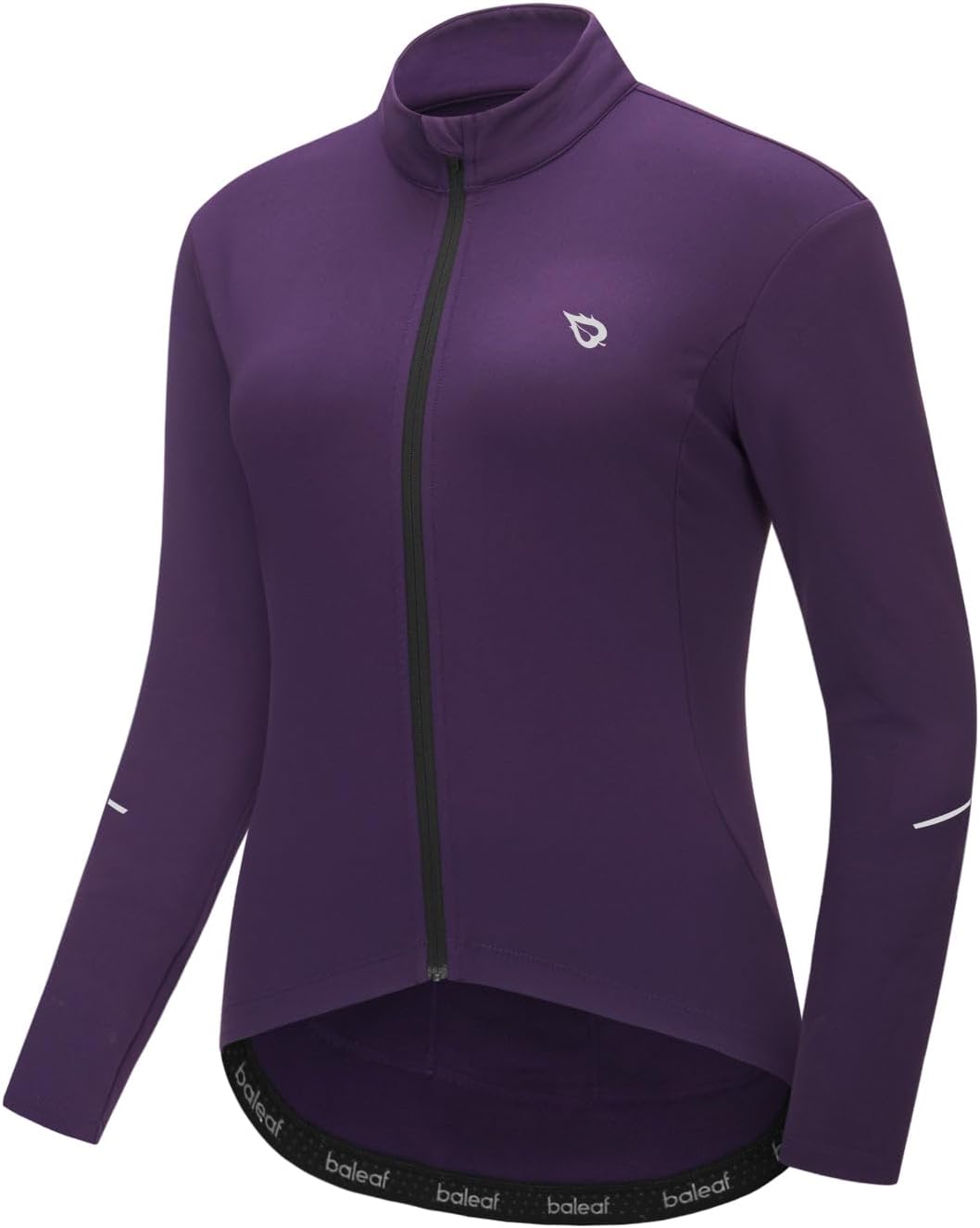
baleaf Womens Fleece Running Jacket Winter Windbreaker Cycling Jersey
Fleece plus a windbreaker shell is exactly the combination I want for the 30s and 40s, and the price makes it a second layer you will actually use
Women's cut only, and fleece holds sweat if you push hard without a base layer underneath
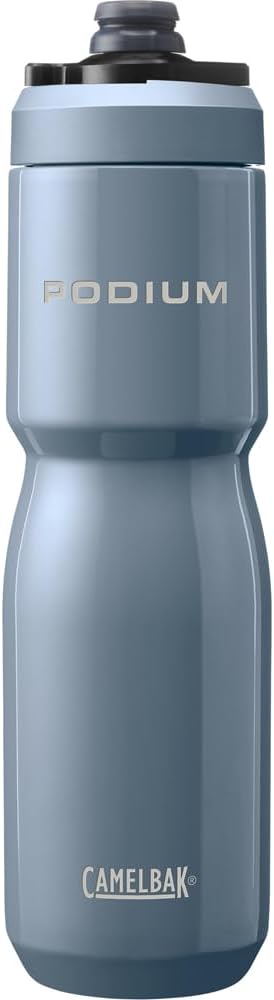
CamelBak Podium Stainless Steel Water Bottle 22oz, Pacific
The Podium valve is the best one-handed valve made, and stainless steel keeps a bottle drinkable longer than a single-wall plastic one
Heavier than plastic, it does not squeeze, and 22 ounces runs short on a three-hour ride
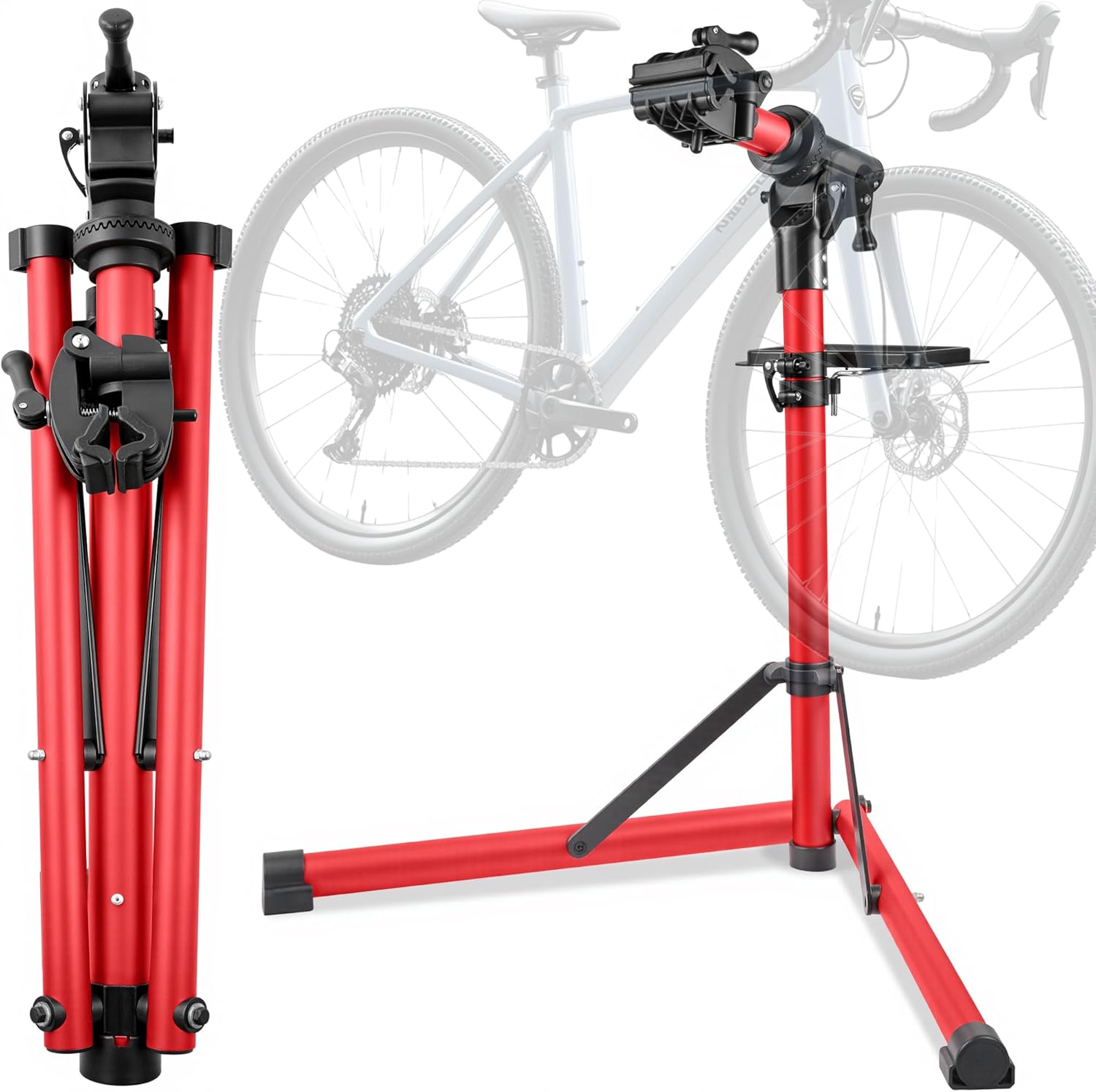
GOEHNER's Upgrade 2.0 Bike Repair Stand (Max 110 lbs) - Portable Aluminum Bicycle Stand Maintenance Workstand with Heavy 360° Clamp Head Made For Electric Bikes, Mountain Road Bike
A 110-pound rating and a 360-degree clamp head mean it holds e-bikes and mountain bikes that lighter stands simply will not
Portable stands trade stability for weight, and aluminum flexes when you hang a loaded e-bike off one end
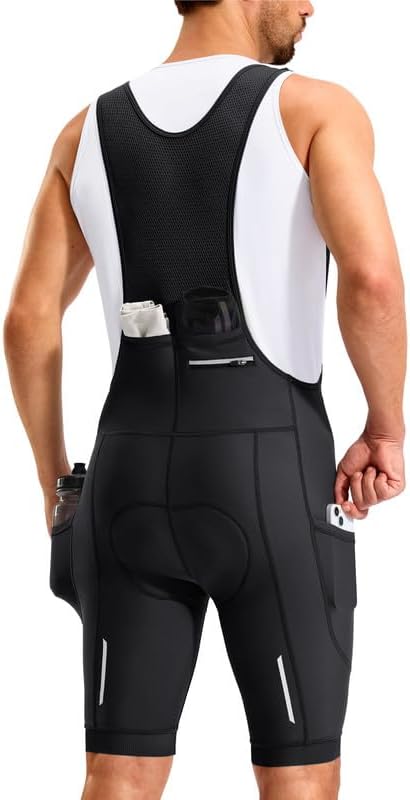
Bikewa Men's Cycling Bibs 4D Padded Bike Shorts with Anti-Slip Leg Grips Biking Bib Shorts Rear 2+1 Zipper Pockets UPF50+
4D padding, anti-slip leg grips, rear zipper pockets, and UPF50+ at a price that makes owning a second pair realistic
Budget chamois density will not match a race bib, and the fit lives or dies on its own sizing chart
Prices and availability were captured from Amazon Creators API and may change.
How I judge gear before it earns a recommendation
The bucket, the loop, and the torque wrench are the three tools I trust most, and none of them apply to a jacket or a bottle. So the questions change. On a bottle, I care about valve action and whether the cap threads survive a season of being thrown into a cage. On bibs, it is whether the pad keeps its shape after twenty washes. On a stand, it is whether the clamp holds without slipping and whether the legs stay planted when you lean into a bottom bracket. On a jacket, it is whether the fabric still blocks wind in February after a winter of washing.
I also ask what breaks first and whether I can buy that part. A product with no spare parts is a product with an expiration date, and I say that about lights, so I will say it about anything with a mechanism. Install time counts too. A stand that takes twenty minutes to set up costs more than the sticker price, because it costs the sticker price plus shop-rate hours the first time and every time after that.
One honest note before the details: none of these four have run my full protocol yet, so what follows is a design and spec read, plus what a service bay teaches you about the category. I would rather tell you that than pretend a jacket went through the bucket.
The fleece layer: baleaf Women's Fleece Running Jacket
Fleece under a windbreaker is the layering trick that keeps riders comfortable in the 30s and 40s, and that is exactly what this piece is built to do. The fleece traps warmth, the windbreaker face stops the air from stripping it away, and the cut is closer to a cycling jersey than to a casual jacket, which matters when you are bent over a drop bar and a loose hem turns into a parachute.
The value math here is simple. A dedicated winter cycling jacket often costs two to three times as much, and most riders do not need the difference for a commute or a Tuesday worlds effort. This is the layer you can also run in, walk the dog in, and stuff in a seat bag without worrying about it.
Where it loses points is honesty about what fleece does. Push hard and fleece holds moisture against your skin, so a wicking base layer is not optional. The windbreaker face handles wind, not a sustained downpour, so a rain shell still belongs in the bag for a wet forecast. And the fit is women's, so anyone looking for a men's cut should keep scrolling rather than guess at sizing.
The bottle: CamelBak Podium Stainless Steel 22oz
I have said for years that the CamelBak Podium is the best bottle in cycling and that it is not close, and the reason is the valve. It opens one-handed without looking down, it does not leak in a jersey pocket, and it does not grow the science experiment that a plain bottle develops after a month of sports drink. Stainless steel adds a second advantage: it holds temperature far better than a single-wall plastic bottle, which means cold water stays cold on a cold ride and a summer bottle stays drinkable instead of turning into soup.
The trade-offs are physical, not philosophical. Steel is heavier than plastic, so a full bottle in a cage changes how the front end of a light bike feels. You cannot squeeze it, so the last third of the bottle takes a tilt rather than a squirt. And 22 ounces is a commuter or trainer volume, not a century volume; on long rides I would carry two or plan a refill.
Cage fit deserves a mention because I have watched riders blame a bottle for a cage problem. Steel does not flex to fit, so check that your cage actually grips a rigid cylinder before you commit. Buy it for the valve and the temperature, and accept the weight as the cost of both.
The stand: GOEHNER's Upgrade 2.0 Bike Repair Stand
This is the item on the list with the biggest effect on how often your bike actually gets serviced. A 110-pound rating and a heavy 360-degree clamp head put this stand in a different class from the folding units people buy first and replace within a year. E-bikes and long-travel mountain bikes are the reason that rating exists. Hang a 55-pound e-bike on a stand rated for 35 pounds and you will learn what flex means at the worst possible moment.
The 360-degree clamp head is the feature I would pay for. Being able to rotate the bike to face you turns a bottom bracket job from a crouch-and-curse exercise into something you can do standing up, and it means you can get the drivetrain at eye level when you are chasing a shifting problem.
What to watch: portable stands trade stability for weight, and aluminum is light because it is thin. Set the legs wide, put the clamp on the seatpost rather than a carbon frame tube, and torque the clamp only as tight as it needs to be. A clamp that holds is not the same as a clamp that crushes. If you ride an e-bike, clamp it low and keep the heavy end over the widest part of the tripod. Set it up once and leave it up; a stand that lives in a closet is a stand you will not use.
The bibs: Bikewa Men's Cycling Bibs 4D Padded
Bibs are the piece of kit where price shows up fastest, and this pair is built for the rider who wants the format without the race-day invoice. The 4D pad is the headline, the anti-slip leg grips keep the hem where you put it instead of creeping up your thigh at kilometer 40, and the rear 2+1 zipper pockets solve the phone-and-keys problem that plain shorts ignore. UPF50+ matters more than people think for anyone riding midday in summer.
The honest trade-off is pad density. A budget 4D pad is designed for a few hours, not for a six-hour day in the saddle, and it will compress faster than a premium chamois. That is fine if your rides are 60 to 120 minutes, a trainer session, or a commute. It is not the bib I would hand someone training for a double century.
Fit is the other variable. Bib sizing charts are their own dialect, and a budget brand often runs differently from a premium one, so measure your waist and inseam and trust the chart rather than the size you wear in jeans. Wash them cold, skip the dryer, and hang them. Heat is what kills a chamois long before the miles do.
The trade-offs the table cannot hold
Four products, four different jobs, and one budget. If you are deciding where the money goes first, the stand earns its place because it multiplies everything else. A bike that gets serviced is faster and cheaper to own than a bike that gets upgraded, and a stand is the difference between checking a chain and hoping.
The bottle comes second because it is the cheapest way to fix a daily annoyance, and the valve is the part you touch on every single ride. The jacket is third and conditional: buy it if the fit works for you and you need a layer for cold mornings. The bibs are last only because they are the most personal purchase on the list. If your current shorts are transparent in the seat, move them up.
One thing I will not pretend: none of these four replaces a lock, a light, or a helmet. Those are the purchases that keep the bike yours and keep you visible, and no jacket does that job. Spend on those first, then come back to comfort and maintenance.
What I would buy first, second, third, and last
Start with the stand if you do your own work or want to. The GOEHNER's rating and rotating clamp head cover e-bikes and mountain bikes, which is more than most home stands can claim. Add the CamelBak Podium next, because a bottle you enjoy using is a bottle you refill instead of leaving on the bench. Then the baleaf jacket if you need a cold-morning layer and the women's cut fits. Finish with the Bikewa bibs if you want a second pair for the trainer and short rides without paying race prices.
That order is not about which product is best. It is about which purchase changes your riding first. Measure what you can, buy the part that fixes the recurring problem, and torque everything to spec. Yes, even that one. Especially that one.