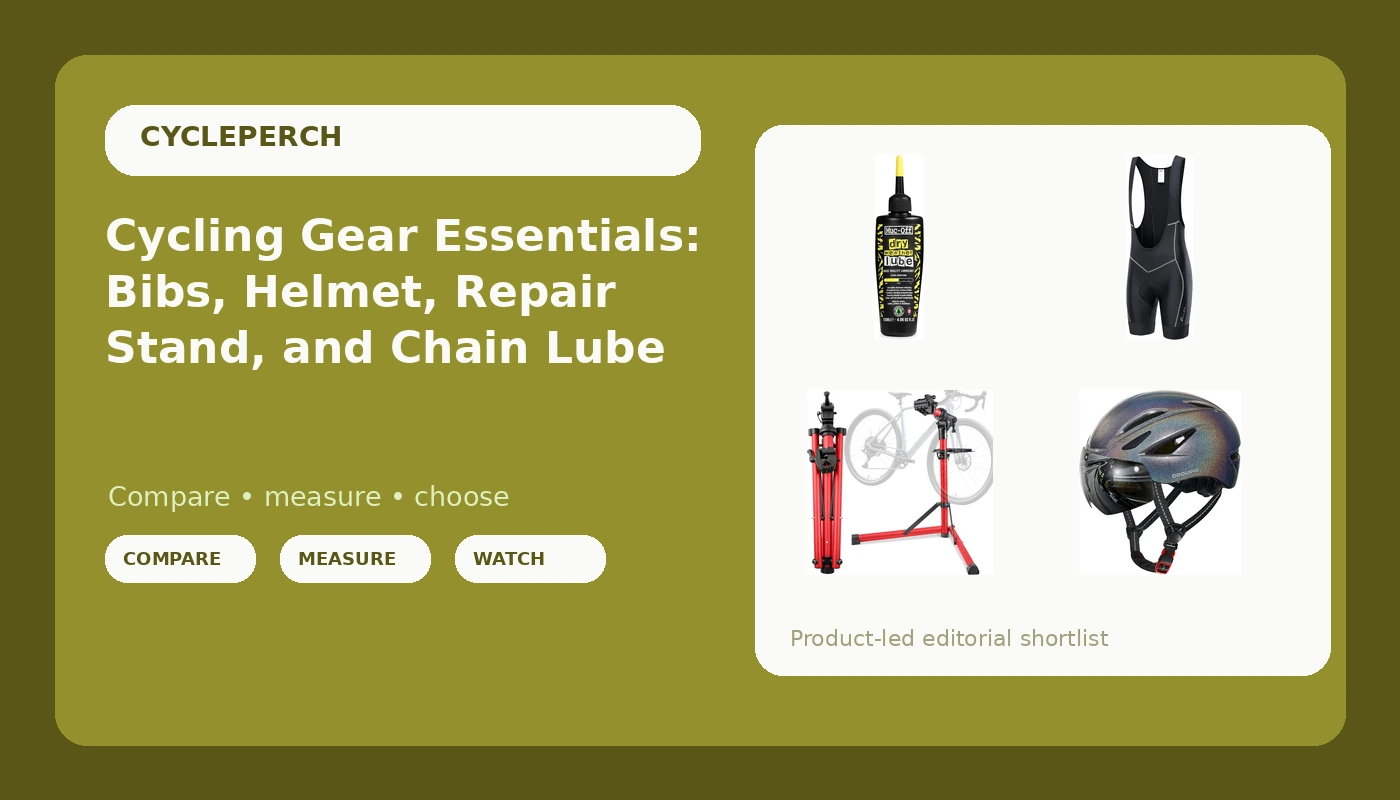
Every winter the same thing happens at my bench: riders spend the season's budget on the part they can brag about and skip the four things that decide whether the bike is fast, comfortable, and still working in March. So here is the cycling gear essentials list I hand to anyone who asks where the money should actually go. It is not the flashiest lineup on the shop floor. It is a chain lube that keeps a drivetrain from eating itself, a bib short that survives more than one season of real miles, a helmet you will wear without thinking about it, and a repair stand that makes the other three worth owning in the first place.
The order I would spend in is boring and correct: lube first, then the stand, then the bibs, then the helmet. That ranking is by cost per kilometer saved, not by how any of it looks in a photograph.
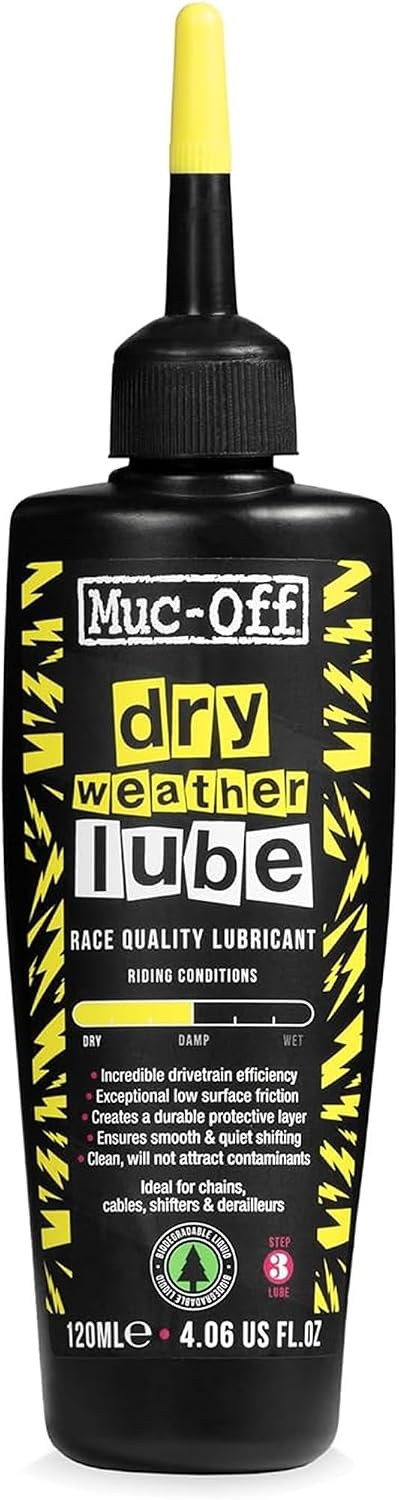
Muc-Off Bio Dry Bike Chain Lube 4.06 fl oz - for Smooth Gear Shifts
Cheapest item here by a wide margin and the one that protects the most expensive part on your bike
Dry weather only; it will not survive a wet season and it is not meant to
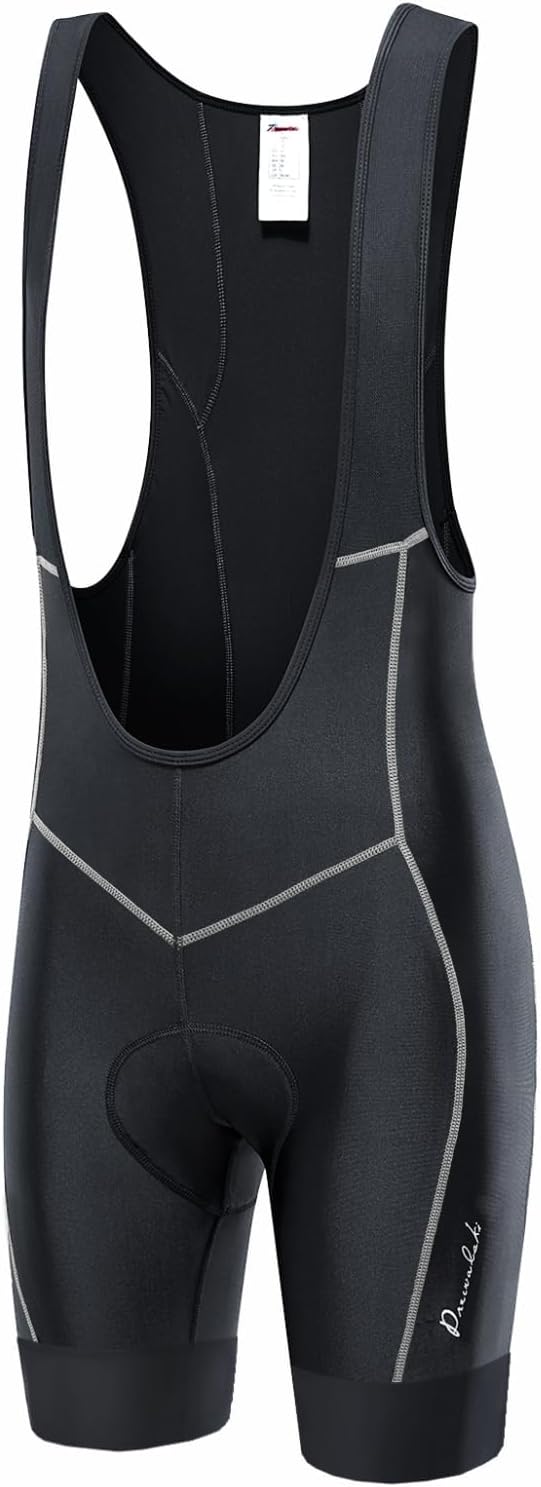
Przewalski Men’s 3D Padded Cycling Bib Shorts Bicycle Biking Bib Tights
A molded multi-density pad at a price that lets you ride long enough to learn what your position needs
Fit is the whole product, and no pad compensates for a chamois that sits in the wrong place for your body
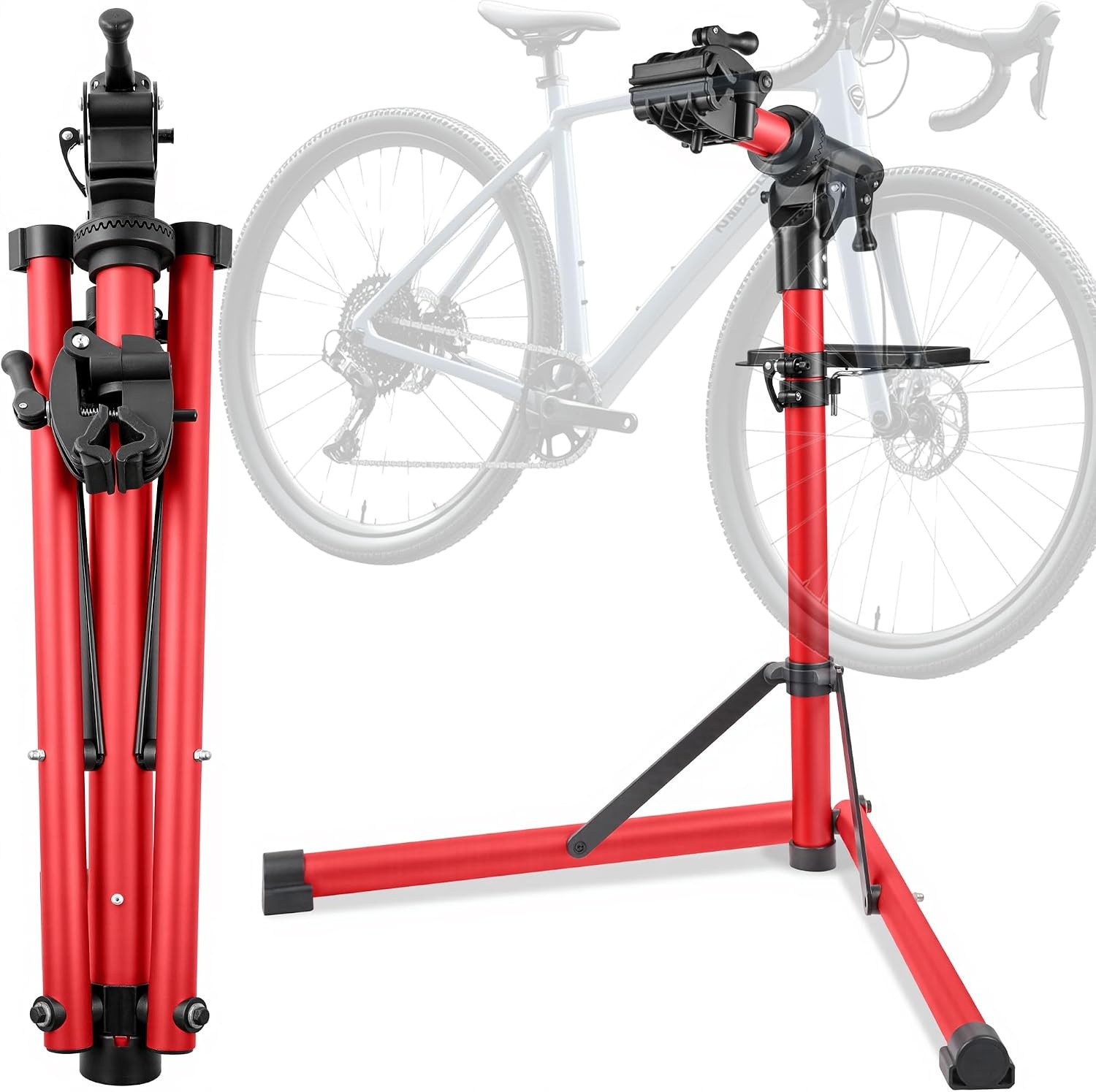
Heavy Duty E Bike Repair Stand 110lbs, Bicycle Workstand Maintenance
Rated for the weight of an e-bike, which means it does not flinch at a normal bike either
Takes up floor space permanently, and a stand only pays you back if you actually put the bike on it

Odoland Adult Bike Helmet with Magnetic Sun Visor for Men Women for Cycling
The magnetic visor is the detail that keeps a visor from being the thing you leave at home
Sun visors are a preference, not a requirement, and a helmet is a wear item with a replacement clock
Prices and availability were captured from Amazon Creators API and may change.
How I judge gear on this list
Three questions decide whether anything earns a spot on my bench. Can I measure it? What breaks at 5,000 km, and can I buy the part? And does installing or living with it cost shop-rate hours I should warn you about?
A bottle of lube that adds thousands of kilometers to a chain passes all three. A stand that wobbles when you hang a heavy bike fails the first one, because a stand is a measurement tool whether the box says so or not. I have replaced enough chainrings, chamois, and helmet pads to know the failure is almost never dramatic. It is gradual, and it starts on the first ride.
The chain lube: the cheapest item, the biggest bill it prevents
Dry lube is a seasonal tool, not a religion. In a dry summer, a wax-based dry formula keeps a chain quiet and keeps grit from turning into grinding paste. The Muc-Off Bio Dry is a biodegradable dry-weather lube, and that matters for two reasons: it goes on thin, it flashes off fast, and it does not collect the dust that a wet lube turns into lapping compound on a gravel road.
The habit matters more than the bottle. Wipe the chain, apply one drop per roller, let it dry, wipe again. Not a bath. A chain treated that way reaches its wear limit later, and everything behind it, cassette included, lasts proportionally longer.
Where this loses: it is a dry-weather product and it says so. When the rain starts, put it back on the shelf and switch to a wet formula. One lube for all conditions is a marketing decision, not a mechanical one.
The bib shorts: fit is a measurement, not a preference
I fit saddles with a foam pad and a ruler, and I wish more riders applied the same discipline to bibs. A 3D padded chamois does the same job a saddle does: it spreads load across the sit bones and keeps pressure off soft tissue. The Przewalski bib is a budget-priced option with a molded, multi-density pad, and the honest case for it is simple. A decent pad at this price lets you ride far enough to find out what your position actually needs, before you spend three times as much guessing.
What fails first on any bib is not the pad. It is the stitching at the pad edge, the elastic in the leg gripper, and the straps. Wash bibs cold in a mesh bag, skip the fabric softener, and never let them sit damp in a gym bag. A chamois is a sponge for detergent residue, and residue is what turns a good pad into a rash.
Where this loses: no pad compensates for a chamois that sits in the wrong place for your body. If you have never measured your sit bones, do that first. It is free, it takes two minutes, and it will tell you more than any product page.
The repair stand: the tool that decides whether the work happens
A repair stand is the difference between a bike that gets maintained and a bike that gets ridden until something breaks. The Heavy Duty E Bike Repair Stand is rated to 110 lbs, which is the number that matters. A stand that shrugs at an e-bike does not notice a 20-pound road bike, and it does not wobble when you lean on a bottom bracket with a torque wrench.
The clamp is the whole product. Look at how the jaws close and whether the release is one-handed. A bike you can rotate to eye level turns a 40-minute job into 20, and a bike clamped at the wrong angle is how you strip a bolt you cannot see.
Where this loses: it takes up floor space forever, and a stand only pays you back if the bike actually goes on it. If your bike lives in a hallway and your tools live in a drawer, buy the lube and the chain checker first and revisit this when you have a corner to spare.
The helmet: replace it on a schedule, not on a sale
The Odoland Adult Bike Helmet is built around a magnetic sun visor, and that detail is the reason it makes this list. A visor that clips on and off with magnets is a visor you will actually use, instead of the one that lives in a drawer because the attachment was fiddly.
Two things I check on any helmet before I say a word about it. First, the retention dial: it should tighten evenly around the whole head, not just pinch the back. Second, the pads: they are the part that touches you, they are the part that gets gross, and replaceable pads are the difference between a helmet that lasts and a helmet that smells like a locker room by July.
Where this loses: a helmet is a single-impact product. After a crash it is done, regardless of how it looks, and the foam does not announce its age. Sun visors are also a preference, not a requirement. If you ride in deep shade or you wear a cap, you are paying for a feature you will not use.
What the numbers actually say
I do not quote a spec sheet. I quote what I can measure, and the pattern across these four categories is consistent.
On lubrication, the arithmetic is the easiest in cycling. A chain and cassette cost real money; a bottle of lube costs a fraction of that, and a chain checker that costs less than two tubes settles every argument about whether you waited too long. Lube is the highest-return purchase in this article and it is not close.
On stands, the math is about time and torque. A job done on the floor gets done to a different standard than a job done at eye level with both hands free. That is not marketing, it is ergonomics, and it is why shops own stands instead of kneeling.
On bibs and helmets, the math is replacement intervals. A bib that survives two seasons instead of one is cheaper than a bib that was cheaper. A helmet that fits well enough that you always wear it is worth more than a helmet with a better spec sheet that stays home.
The trade-offs, honestly
- The lube is dry-weather only. Buy a second bottle for the wet months or you will be re-lubing every ride.
- The bibs are the least forgiving item here, because fit is personal and no return policy fixes a chamois that sits wrong.
- The stand is the only permanent object in the group. It takes floor space, and it does not do anything by itself.
- The helmet is a wear item. Pads compress, straps fray, and a crash retires it.
What I would buy first
If you only buy one thing, buy the lube. It protects the parts you already paid for, and the habit it builds, wiping and re-applying on a schedule, is the same habit that keeps the rest of the bike alive.
If you buy two, add the repair stand. Everything else on this list gets easier to maintain once the bike is off the floor and clamped at working height, and the e-bike weight rating means it will still be the right stand when your next bike is heavier than this one.
The bibs and the helmet come next, in whichever order matches your season. Cold mornings and long rides make the bibs urgent. Every ride makes the helmet urgent, and the one you will actually wear is the one worth buying.
What I am testing next
Winter is measurement season at my bench. The light rig is getting rebuilt with a proper baffle, and there is a spreadsheet open for a head-to-head battery run between two computers that both claim numbers I do not believe yet. The loop is surveyed, the chain checker is on the hook, and the marketing department is not invited.
What I already know does not change: a bike that has been maintained is faster than a bike that has been upgraded, and the four items above are maintenance wearing a shopping list. Torque to spec, lube on schedule, replace the wear items before they fail, and the expensive stuff lasts.