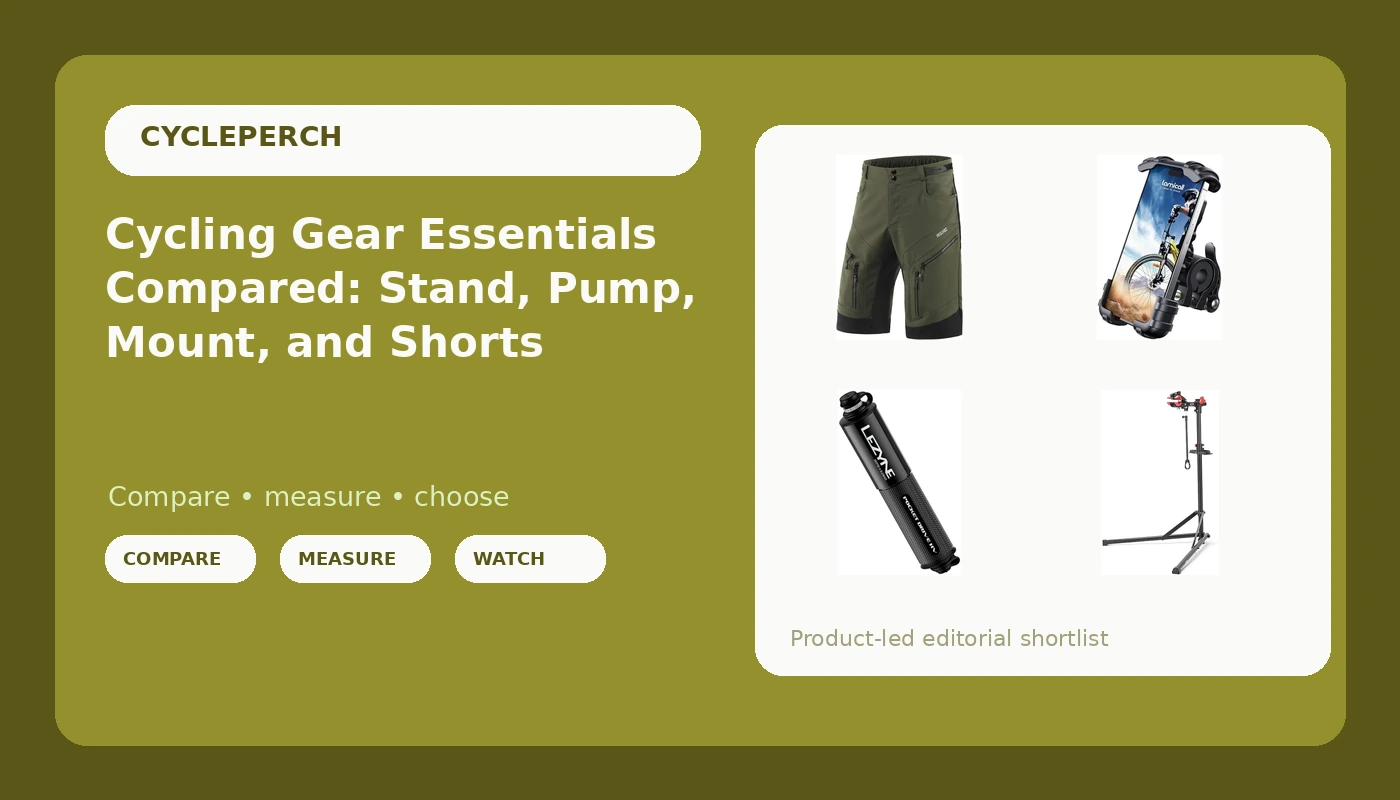
I have spent twelve years as a mechanic and the last five running a service desk, and the pattern never changes: riders buy the upgrade before they buy the tools that keep the upgrade alive. This comparison of cycling gear essentials is built around that idea. A repair stand, a hand pump, a phone mount, and a pair of riding shorts are not glamorous purchases, and not one of them will make you faster. They will decide whether your bike actually gets maintained, whether you roll out with the tire pressure you wanted, whether your phone survives a gravel descent, and whether kilometer 60 is comfortable or a countdown.
The short answer: buy the workstand first if you have a garage or a spare corner, because a bike that gets serviced is faster than a bike that gets upgraded. Buy the pump second, because tire pressure is free speed. The mount and the shorts are comfort and convenience, and comfort is the thing that keeps you riding in month three.
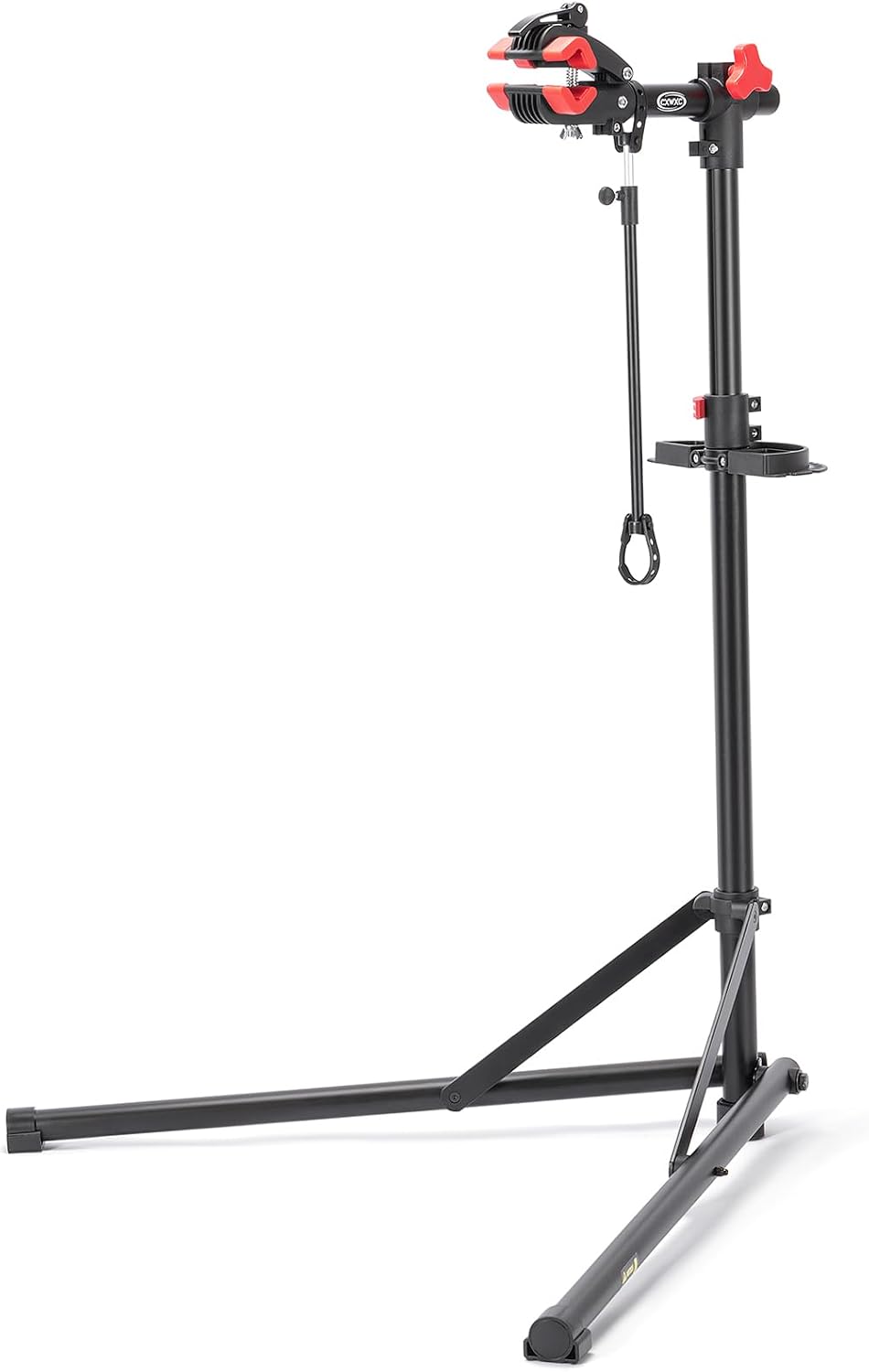
CXWXC Bike Repair Stand
Raises the bike to working height so derailleur and brake jobs get done instead of postponed; the biggest maintenance upgrade on this list
A stand takes up floor space, and cheap stands wobble under a heavy bike unless the legs and clamp are solid

LEZYNE Pocket Drive HV Compact Bike Hand Pump
Compact, frame-mountable, and the high-volume design moves useful air per stroke; Lezyne sells service parts, which is rare
Small pumps are a workout on high-pressure road tires; this is a trail and commuter tool, not a floor pump replacement
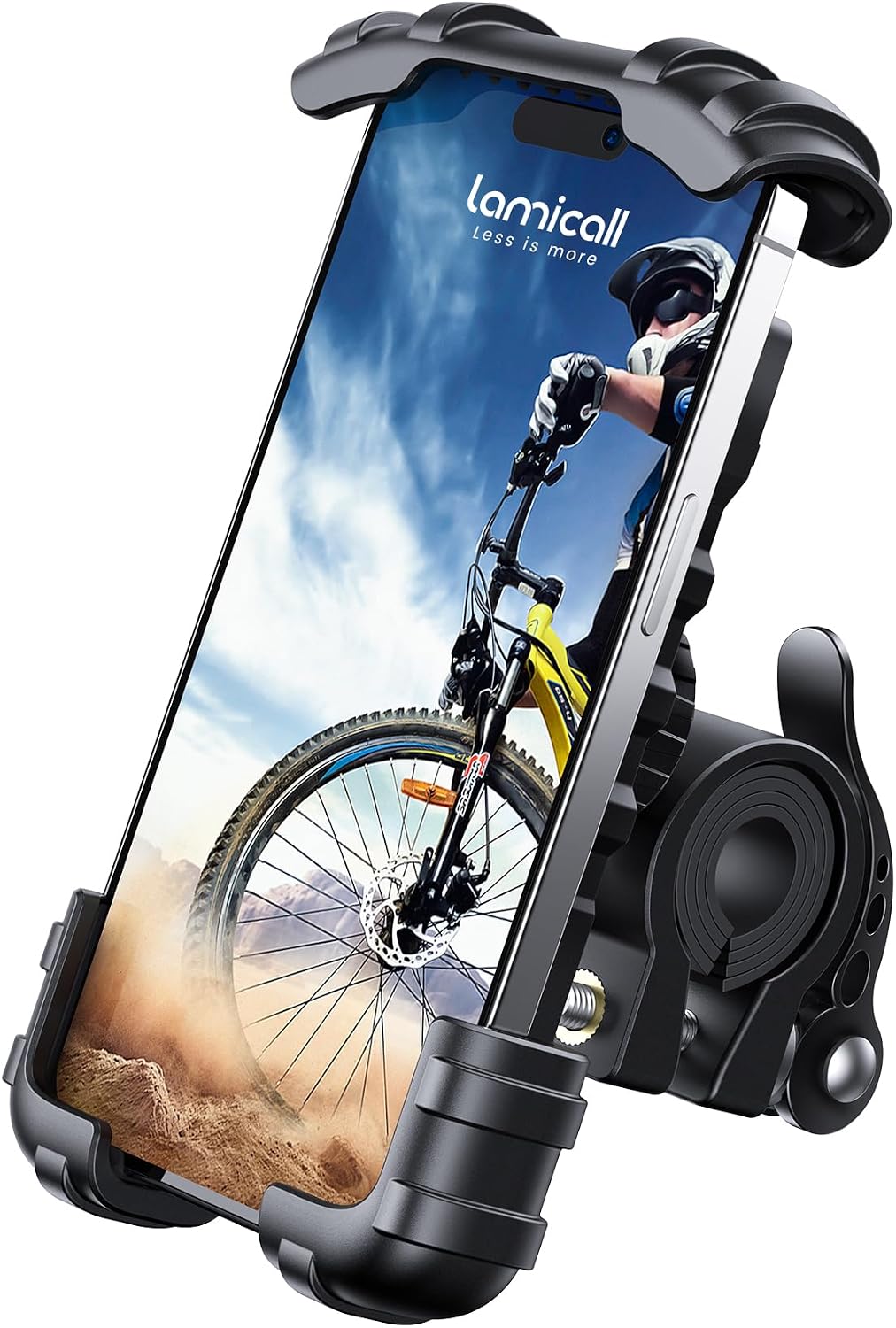
Lamicall Bike Phone Holder Motorcycle Mount
One-hand operation and a lockable clamp, so the phone goes in and out at a stoplight without a fight
Case thickness and bar diameter decide whether it fits well; it is a mount, not a case, and it will not save a bare phone from a bad crash
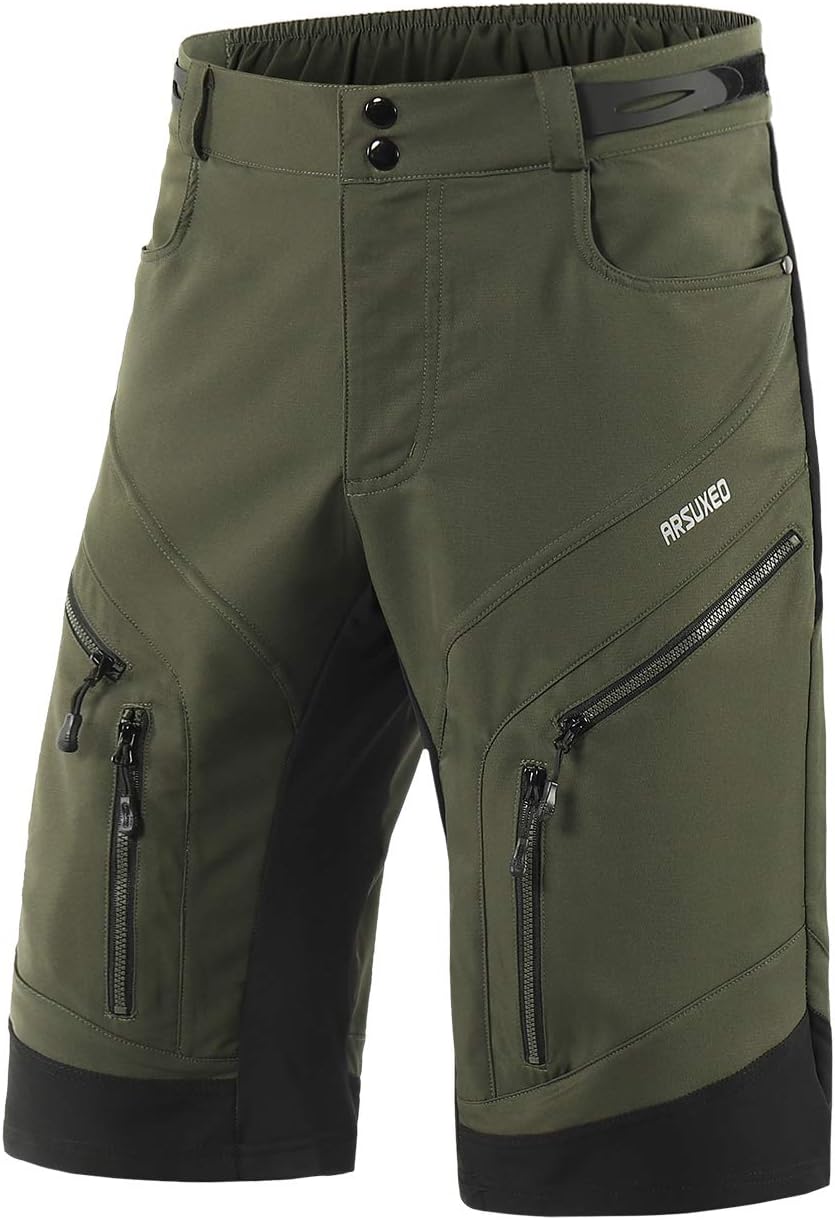
ARSUXEO Men's Loose Fit Cycling Shorts
Loose fit and a water-resistant shell suit trail centers, commuting, and anyone who does not want to look like a billboard
Baggy shorts are slower and hotter than bibs; water-resistant fabric gives up some breathability in exchange for spray protection
Prices and availability were captured from Amazon Creators API and may change.
How I judge gear like this
Every product that comes through my bay gets the same three questions before it earns a recommendation.
First, can I measure the thing that matters? Tire pressure, chain wear, clamp force, saddle height. If a product's whole pitch is a number on a box, I want to see that number hold up. Second, what breaks at the 5,000-kilometer mark, and can I buy a spare part for it? Third, does installation cost me shop-rate hours? A $40 accessory that needs an hour of fiddling is not a $40 accessory.
That third question is why a workstand climbs this list so fast. It is not a part on your bike. It is the tool that makes every other job on your bike take fifteen minutes instead of forty-five. The measurement habit came out of the shop for a reason: every customer complaint I have ever fielded turned out to be a measurement problem, and the measurement problem turned out to be a job nobody wanted to do on a cold garage floor.
The workstand: CXWXC Bike Repair Stand
If you do your own maintenance, this is the purchase that changes your ceiling. A bike in a stand sits at chest height, the wheels spin free, and the drivetrain is in front of your face instead of at your feet. Derailleur indexing, brake pad alignment, hub service, bottom bracket work: all of it becomes a fifteen-minute task you do on a Tuesday night instead of a weekend project you keep postponing.
What to check before you buy any workstand, including this one:
- The clamp jaws. You want a clamp that holds a round tube without needing to be cranked down. Clamp a bike by the seatpost when you can, and torque the clamp to what the stand asks for. Hand tight is how expensive things get loose, and it is also how carbon seatposts get crushed.
- The legs. A tripod footprint with a wide stance is stable. A narrow one wobbles the moment you hang a heavy bike on it, and a wobbling stand is how a bike lands on a concrete floor.
- The height range and the rotation. You want the clamp to rotate and lock so you can spin the bike to reach the far side of the drivetrain without walking around it.
- The clamp bolt and the plastic bushings. These are the wear items. If the manufacturer does not sell replacements, the stand has an expiration date.
The honest downside of any stand is floor space. If you live in an apartment with no spare corner, a stand is a hard sell, and I would tell you to spend the money elsewhere and use a repair hook on a wall instead. If you have a garage, a basement, or a balcony, the stand pays for itself the first time you do your own cassette swap instead of paying shop labor.
The pump: LEZYNE Pocket Drive HV Compact Bike Hand Pump
The HV in the name stands for high volume. That is the whole design brief of a pump like this, and it is worth understanding before you buy one. Small pumps have a small barrel, so every stroke moves very little air. You can build a mini pump that pushes high pressure slowly, or you can build one that moves a useful volume of air per stroke and tops out lower. The high-volume version is the second kind, which makes it the right tool for mountain bike tires, gravel tires, and commuter tires, and a patience test on a 25 mm road tire at 90 psi.
Why I put a Lezyne pump on this list at all, and it is not a spec claim: the brand sells spare parts for things other brands tell you to replace. Head seals, hoses, mounts. A pump whose head seals are replaceable is a pump you keep for a decade. A pump with a non-rebuildable head is a disposable product wearing a pump costume.
What to check on any compact pump:
- The valve head. Does it thread on or press on? Threaded heads seal reliably and take two extra seconds. Press-on heads are faster until the day they are not.
- Presta and Schrader. If you have one bike with Presta valves and one with Schrader, the head needs to handle both without a parts swap.
- The mount. A pump in a jersey pocket gets left at home. A pump on a frame mount is the one that is actually with you at kilometer 40 when you pinch flat.
- The hose. A short flexible hose saves you from snapping a valve stem while you are angry on the side of the road.
The phone mount: Lamicall Bike Phone Holder
Phone mounts are the category where riders save twelve dollars and pay for it with a cracked screen. The two things I want in a mount are a positive lock and one-hand operation. One-hand operation means you are not unclipping a strap with cold fingers at a red light. A positive lock means the phone does not leave the bike when you hit a pothole you did not see.
The Lamicall mount advertises both, and the lockable clamp design is the reason it made the list. A few practical notes from years of watching mounts fail:
- Case thickness is the fit variable nobody reads about. A slim case and a wallet case are not the same phone, and a clamp sized for the first one will not grip the second one properly.
- Bar diameter matters. Road bars, flat bars, and aero bars are three different diameters. Use the shims, and check the clamp bolts with a torque wrench, especially on carbon bars. Over-tightening a clamp on a carbon bar is a very expensive lesson.
- Vibration is real. Long rides on rough surfaces are hard on a phone, particularly on the camera hardware. If your phone is your navigation and your camera, think about whether you want it rigidly mounted on a gravel bike for a four-hour ride.
- Lockability matters more than people think. It is the difference between leaving the phone on the bike while you run into a gas station and carrying it with you.
What this mount is not: it is not a case, and it is not a crash warranty. A rubber-strap mount from a mystery brand is a suggestion box for gravity. This one is a clamp with a lock, which is the category I would actually ride.
The shorts: ARSUXEO Men's Loose Fit Cycling Shorts
Loose fit is a design decision, not a compromise, and it is worth being clear about who it serves. Baggy cycling shorts are for trail riding, commuting, and anyone who does not want to change clothes twice for a ride. They are also hotter and slower than bibs, because fabric that flaps catches air. If you are chasing a group ride average, buy bibs. If you are riding to the trailhead, riding to work, or riding with kids, loose fit is the right call.
The ARSUXEO shorts are water resistant, which is a genuinely useful trait for commuting and for the mud season in the foothills. Understand the trade: a water-resistant shell blocks road spray and light rain, and it gives up some breathability to do it. On a hot July climb you will notice that. On a 40-degree morning with wet roads, you will be glad.
What to check on any pair of baggy shorts:
- The chamois. A liner pad that bunches or migrates is worse than no pad. If the shorts have a removable liner, wear it against skin, never over underwear.
- The inseam. Too short and you get saddle contact on your thighs. Too long and the hem catches on your knee. This is a fit measurement, not a preference.
- The waist closure. Velcro that gives up after a season is a common failure. Look at the closure and ask how it wears after 200 rides.
- The fabric weight. Heavier shells last longer and breathe less. There is no free lunch here, only a decision about which one you want.
The order I would buy them in
If you have $200 and a bike that needs attention, the workstand is the first purchase and it is not close. Every hour you spend working on your bike at chest height instead of on the floor is an hour you will actually spend, and maintenance is the only performance upgrade that never goes out of stock.
The pump is second, because tire pressure is the cheapest speed in cycling and a pump you carry is the only one that helps at kilometer 40. If you already own a floor pump and a frame pump, you can skip this and put the money toward the mount.
The mount is third, and it moves up the list if you use your phone for navigation. Buy it for the lock and the one-hand operation, not for the price.
The shorts are fourth, which is not a knock. Comfort is what keeps you riding in month three, and month three is where most gear gets abandoned in a closet. Just buy them for the riding you actually do, not the riding you plan to do.
What I would want before calling any of these a verdict
I do not hand out verdicts from a spec sheet. A product earns a recommendation in my shop after 500 kilometers or 100 cycles of the mechanism, and these four have not been through that on my bench yet. What I would check, and what you should check on your own:
- The stand clamp bolt after a month. Re-torque it. The first month is when a clamp settles, and a settled clamp is a bike on the floor.
- The pump head seals after a winter of cold-weather use. Cold is where rubber gets honest.
- The mount lock after a hundred open-and-close cycles. The lock is the part that fails first on any mount.
- The shorts after twenty washes. Pads and closures both go in the laundry, not on the ride.
That is the whole philosophy in one list. Buy the thing that makes maintenance happen, buy the thing that keeps you rolling, and buy the thing that keeps you comfortable, in that order. Then measure what you bought, because the box is a suggestion and your ride is the test.