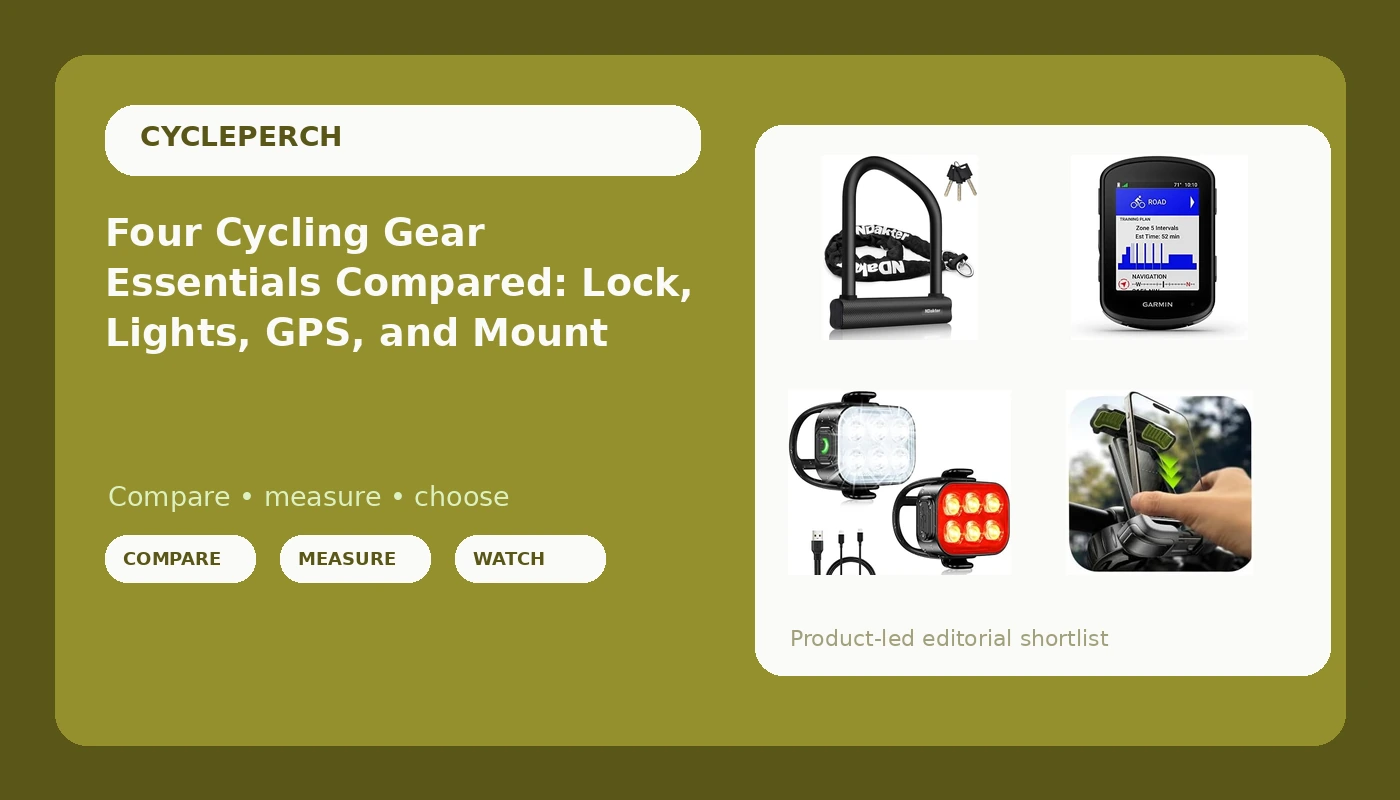
The four items that come across my bench most often are not drivetrain parts. They are the bolt-ons: the lock, the lights, the computer, and whatever is holding a phone to the handlebar. Riders walk in with a new bike and a short list, and it is always this list. So this is a comparison of four cycling gear essentials that do four completely different jobs, and the honest framing is that they are not competing with each other at all. They are competing for the same few hundred dollars in your pocket, and the order you buy them in matters more than which logo is on the box.
Buy the lock first, the lights second, the Garmin Edge 540 third, and the phone mount when you want navigation without spending computer money. In this group the Edge 540 is the most capable product, and the NDakter U lock is the one that protects everything else you own.
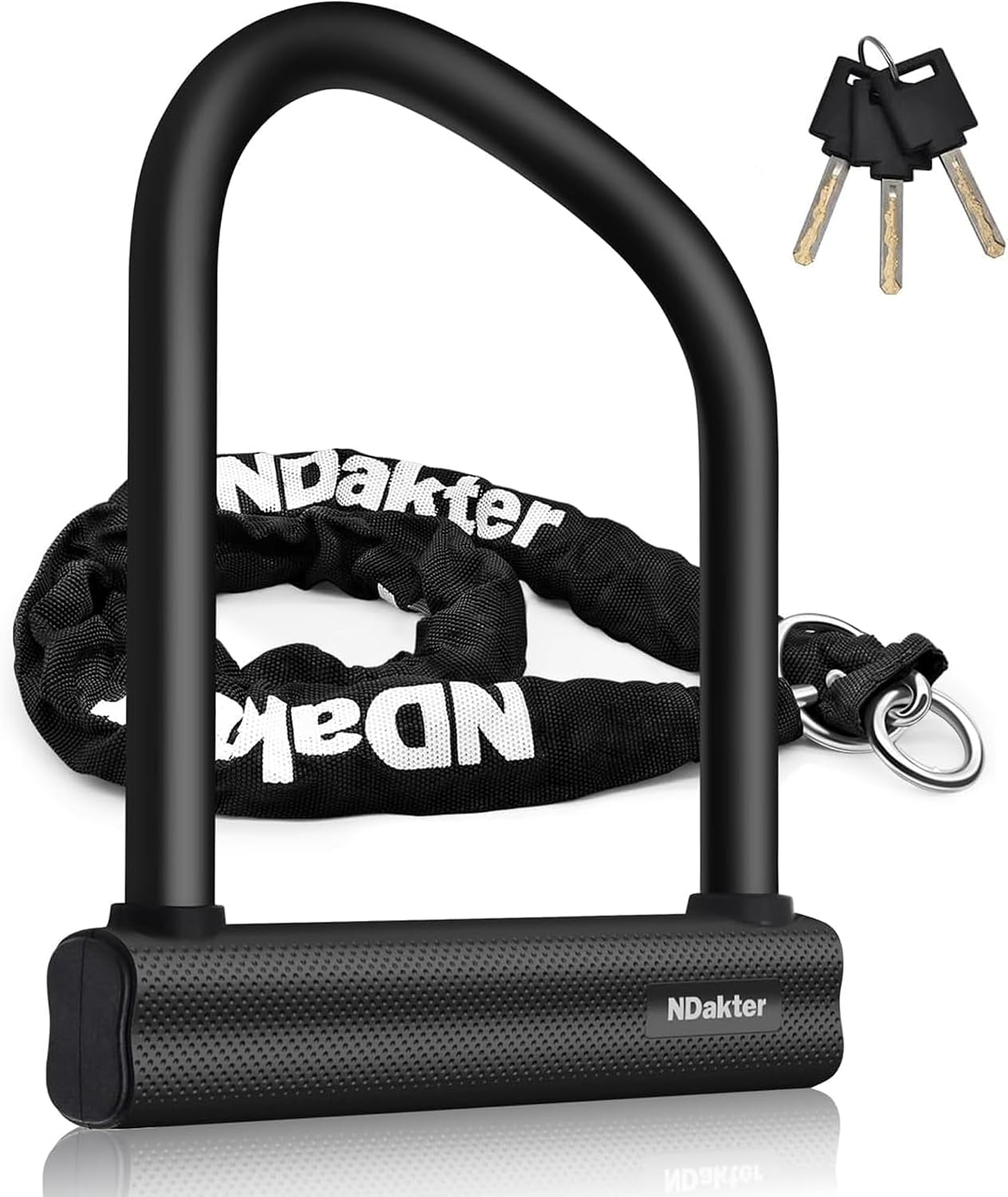
NDakter Bike Lock, 18mm U Lock with 4FT Chain
The thickest shackle in this group at 18mm, plus a 4-foot chain that lets you reach a real anchor, and three keys so one can live in a drawer and one on your ring
It is heavy and bulky, and the 6mm chain is a secondary layer rather than the thing you trust
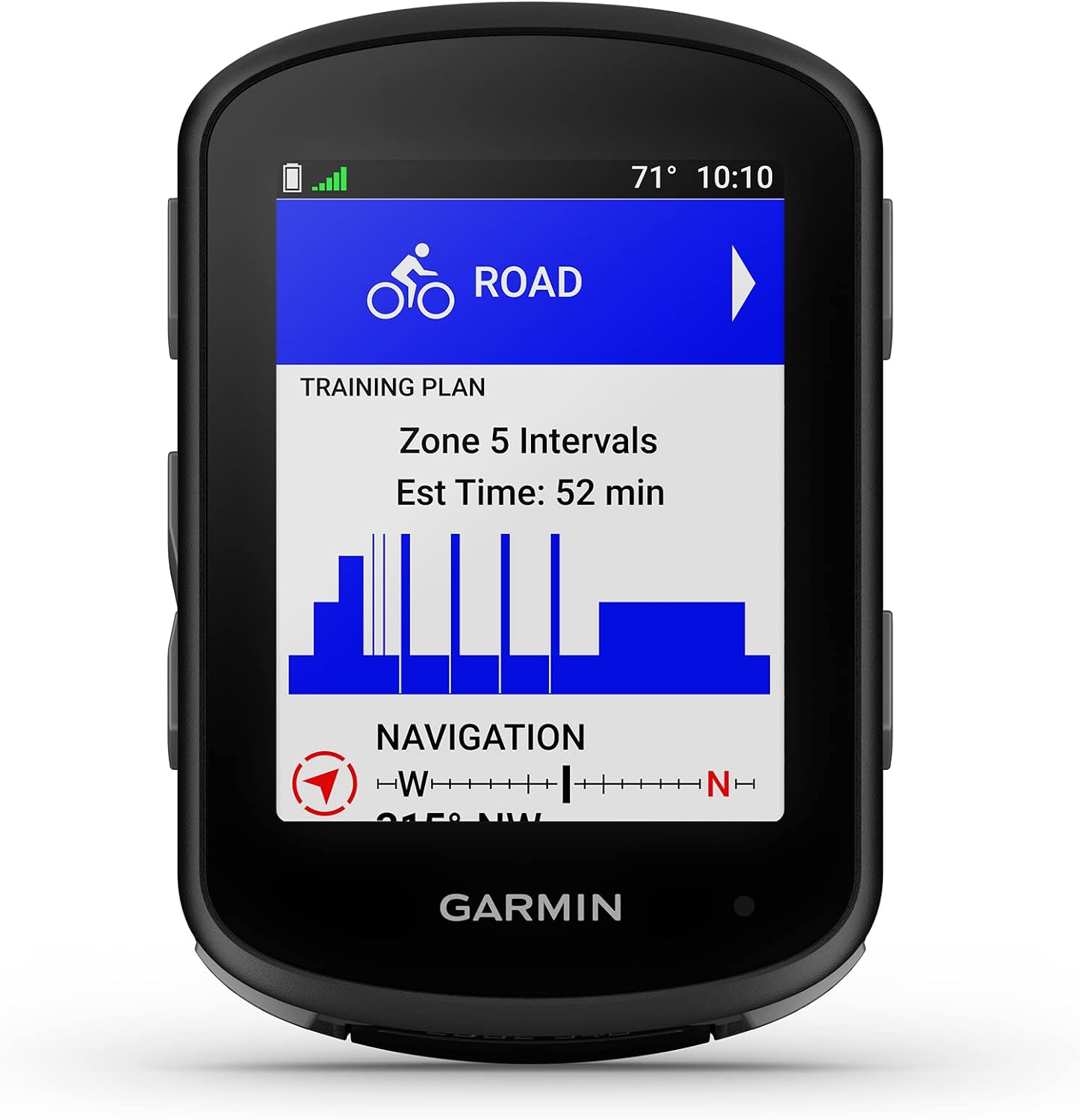
Garmin Edge 540, Compact GPS Cycling Computer
The one item here that replaces your phone on the bar, with routing and ride files that a phone app cannot match over a long day
Cost, plus it is the only product in the group that demands a charging routine and software updates to stay useful
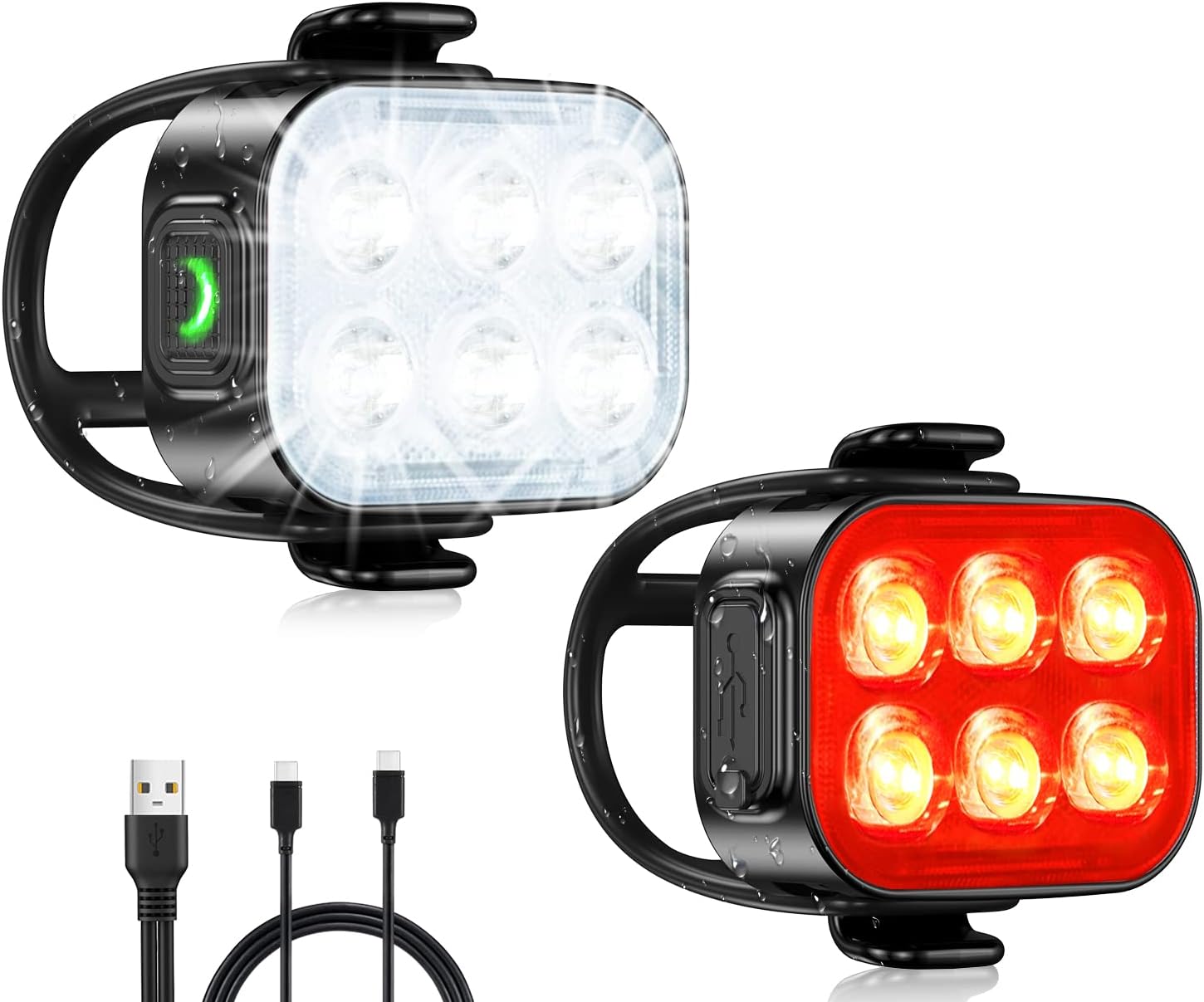
Zewdov Bike Lights for Night Riding, Rechargeable Front and Back
A front and a rear light in one box, rechargeable, and the cheapest way to be both legal and visible after dark
Budget lights are where the printed claim and the real output part company, and a sealed battery gives the whole set an expiration date
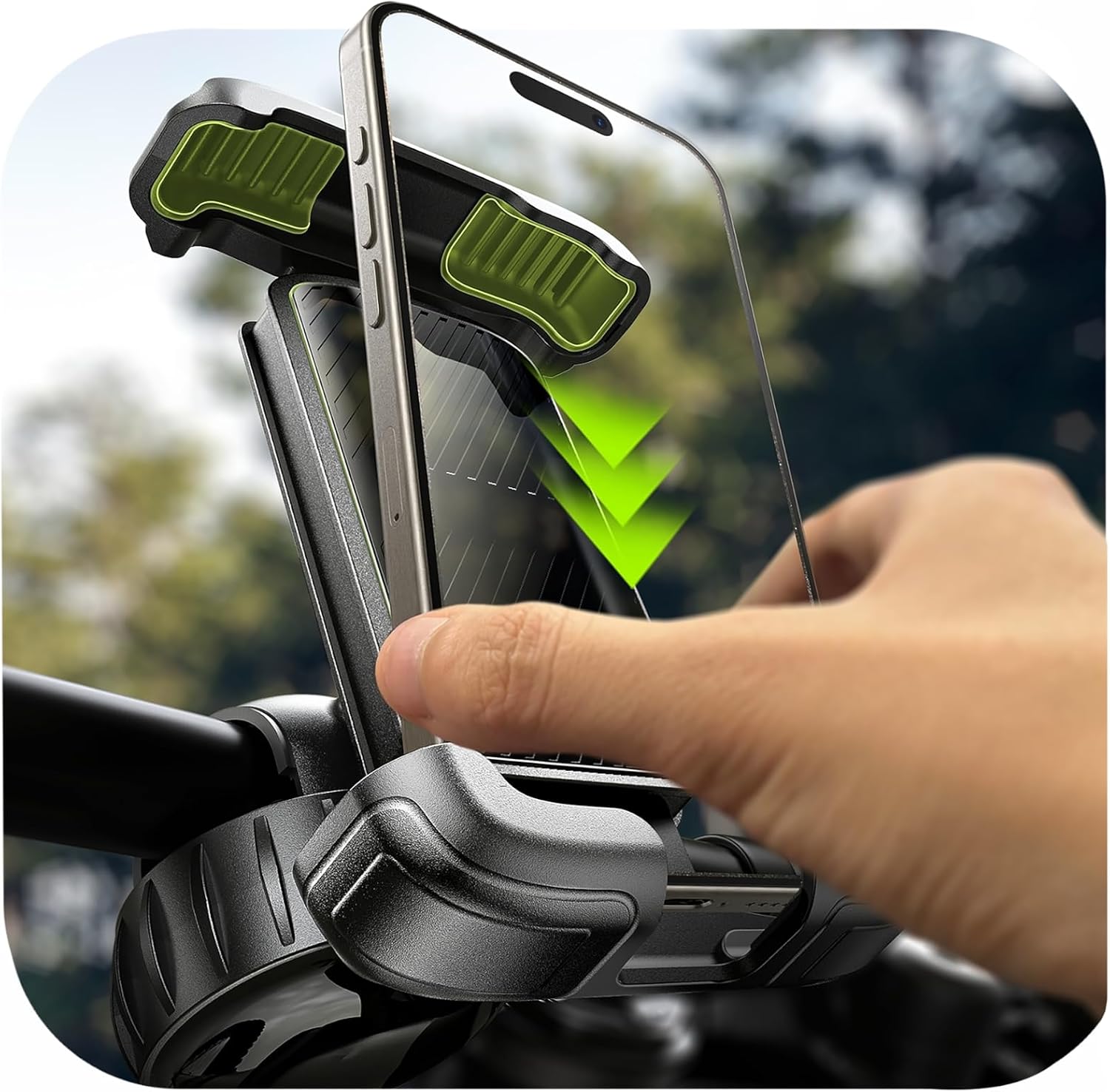
LISEN Bike Phone Holder, Handlebar Mount
Genuinely easy to install, which matters if you want navigation on a bike you already own without buying a computer
Simple clamp-and-grip mounts are the category I see fail most often, and a phone on the bar is a phone in the sun and the rain
Prices and availability were captured from Amazon Creators API and may change.
Why these four, and why the order matters
A lock protects the bike. Lights protect you. A computer replaces the phone you were going to strap to the bar anyway. A mount is the cheap version of that same idea. Four jobs, four failure modes, and none of them overlap.
The reason I put them in that order is simple: the loss of the bike ends the hobby, the loss of visibility ends you, and the loss of a ride file just annoys you on Strava. Nobody needs all four on day one. If you are building up a commuter or an ebike from scratch, spend the money where the consequence is worst and work backward from there.
I will not quote you a price on any of these, because prices move and I do not want to be the reason you clicked expecting a number that changed last Tuesday. Check the current Amazon price on the listing and judge the value against the job it does.
The lock: 18mm of shackle and a 4-foot chain
The NDakter is a U lock with a chain attached to the same purchase, and the number that matters is right in the name: 18mm. That is a thick shackle. Thickness is the whole game with a U lock, because a thief with a cordless angle grinder does not care how clever the lock's internals are, and a thief with hand tools cannot get through a shackle that size. I have cut through enough cheap locks on the bench to know the difference between a lock and a prop.
The chain is 4 feet by 6mm. Read that as a secondary layer, not the primary defense. Six millimeters of chain is not what stops a determined thief, but it is what lets you do the thing that actually stops theft, which is lock the frame and the wheel to something bolted to the ground. A U lock alone often cannot reach around a rack post and a frame and a wheel. The chain solves the reach problem, and reach is why people end up locking to a signpost they can lift off its base.
Three keys is a small feature with real value. One on your everyday ring, one in the bag or the car, one in a drawer at home or at the shop. Losing your only key to a $100 lock turns a $100 lock into scrap.
What you pay for all this is weight. An 18mm shackle and a chain are not light, and there is no version of this that is. Carry it in a bag or on a frame bracket and accept that the bike is worth more than your back.
One install note: check the bolts on whatever bracket you use to carry it, and torque them to spec. A lock bracket that works loose on a fast descent is a heavy metal object heading for your rear wheel.
The computer: Garmin Edge 540
The Garmin Edge 540 is a compact GPS cycling computer, and the word to underline is compact. It is the size of a stack of cards, it goes on the stem or the bar, and it does the job your phone was doing badly: it shows a map, records the ride, and keeps running when your phone is at 12 percent because it spent the last hour with the screen on and the GPS hot.
The case for a dedicated computer over a phone is not screen quality, because your phone wins that. It is battery math and durability. A phone on the bar in July heat with navigation running is a phone that is both hot and dying, and it is also your emergency contact and your ride home. Every time I see someone navigating by phone, I see someone who will one day be standing at a fork with a dead battery in the middle of nowhere.
Garmin's ecosystem is sticky, and it is sticky for a reason: the ride files, the routing, and the way the whole thing talks to everything else. The trade-off is that their mounts are overpriced plastic. Buy the computer, buy a cheap mount, and put the difference into tubes and sealant. That is not a knock on the product, it is a knock on the accessory aisle.
This is also the only item in this group with a real maintenance routine. It needs charging, it needs updates, and it needs you to know where the cable is. That is the price of a device that does more than the other three combined.
The lights: Zewdov rechargeable front and rear
The Zewdov set is a front and a rear light in one box, rechargeable, which is the correct shape for this purchase. Buying them together means you cannot end up with a great front light and a dead rear blinker, which is the most common visibility failure I see on the road. Rear visibility is what keeps you alive at dusk, and it is always the light people forget.
Two things matter more than the lumen number on the box. Beam pattern and mounting. A tight, bright spot aimed at the horizon does nothing for you and blinds everyone coming the other way. Aim the front low, so the pool of light lands on the road 20 or 30 feet ahead, not in a driver's eyes. On the rear, mount it on the seatpost rather than the back of a saddlebag that swings and blocks it half the time.
On output claims from budget lights, here is my rule: the printed number is optimistic, sometimes wildly so. I do not have a measured figure for this specific set, and I am not going to invent one. What I will say is that the box number is a starting point, not a spec, and that a light that is honest about 400 real lumens beats one claiming 1,800 that you cannot see by. The way you find out is the first dark ride on a road you know.
The bigger caveat is the battery. A sealed, non-replaceable battery gives a light an expiration date, and the schedule is not yours. When it stops holding a charge, the light is landfill. That is the trade-off for the price point, and it is worth knowing before you buy rather than after.
The phone mount: LISEN
The LISEN phone holder is the item on this list that most people will actually use first, and it is the one I am most cautious about. It is marketed on super easy install, and that is a real virtue. If a mount takes ten minutes and a hex key to fit, most people never fit it. Easy means it gets used.
Easy also usually means a clamp body and a grip mechanism, and simple grip mechanisms are the category I see fail. Not because they are badly made, but because a phone is a smooth, heavy, expensive object on the end of a lever, and every pothole is a test. The failure mode is not dramatic. It is a slow rotation over months, or a grip that loosens in the cold, or a phone that leaves the bar at 25 mph.
So check three things before you trust it. First, that the clamp actually matches your bar diameter and closes on it without shimming with tape. Second, that the arm does not rotate under hand pressure, because if you can twist it, the road will too. Third, that the phone sits in the grip with the buttons free and the camera clear, because a mount that covers the camera turns your phone into a paperweight when you want a photo.
And be honest about where you ride. On a bike path and a smooth commute, a simple mount is fine. On gravel, on a mountain bike, on anything with real chatter, I would not put a phone on a bar-mounted clamp and expect it to stay there. That is not a knock on this product, it is a knock on the entire category.
What each one costs you beyond the price
Every product has a second price, and it is usually time.
The lock costs you nothing after the purchase except the weight and the discipline of actually using it. It never needs charging. That is a real advantage over the other three.
The computer costs you a charging routine, software updates, and the occasional hour spent learning a menu you will forget. Budget for that. It is a small computer, and small computers have opinions.
The lights cost you a charging habit, and the habit has to be weekly in winter, not monthly. A light that lives in a bag and gets charged when you remember is a light that is dead on the one night you need it. I charge mine every Friday, whether they need it or not.
The phone mount costs you the risk you are accepting. Nothing to charge, nothing to update, just the knowledge that your phone is out there on a lever arm, and the decision about whether that is a trade you want.
Batteries, and where I draw the line
If a battery is not replaceable, the product has an expiration date. That is a feature now, and I hate it. The lights here are sealed, and so is the computer, and both will eventually be e-waste because of a cell that costs a few dollars. The lock, being a lump of steel, will outlive all of it.
That does not make the sealed products bad buys. It makes them buys with a clock attached. If you get four winters out of a set of lights, the math probably worked out. If you get one, it did not, and you should remember that at the next purchase.
Mounts, hardware, and the torque wrench
The most common failure I see on accessories is not the accessory. It is the bolt holding it on. Handlebar clamps, light brackets, lock brackets, computer mounts: all of them work loose eventually, and all of them should be checked against a spec.
Hand tight is how expensive things get loose. Torque to spec, and if you do not own a torque wrench, this is the purchase that justifies one, because it is cheaper than the thing the bolt was holding. If a bracket has a habit of loosening, a dab of medium-strength thread locker is the fix, not a longer wrench and more grunt.
Warranty, and the part nobody reads
I do not give warranty advice from memory. I look up the policy, because the policy is part of the product. Before you buy any of these, find the warranty length and what it covers, and find out whether you are shipping the item back on your own dime. A two-year warranty you will never use because the shipping costs more than the product is not a warranty, it is a sentence on a box.
What I would actually do
If you are starting from nothing and you commute or ride after dark, buy the lock and the lights. That is the pair that keeps the bike and keeps you. Then, when the phone-on-the-bar thing starts to annoy you because the battery dies on long rides, buy the computer. The mount is the last thing, and it is the one I would buy cheap and treat as a consumable.
Buy once, cry once applies hardest to the lock. Everything else on this list can be upgraded later without losing anything. A bike that is gone is gone, and no amount of saved money on a lock is worth that phone call.
The short version
The NDakter U lock is the one that protects the other three, with an 18mm shackle and a chain that solves the reach problem. The Garmin Edge 540 is the most capable product here and the only one that replaces your phone. The Zewdov set is the cheapest honest way to be visible at night, with the sealed-battery caveat attached. The LISEN mount is the easy, cheap way to get navigation on a bike you already own, as long as you know what category you are buying into.
Four jobs. Four prices. Buy them in the order that matches what hurts most if it fails.