I have fitted a lot of riders on a lot of saddles, and the complaint that walks into my bay most often is not about the frame or the gearing. It is about contact points. Padded bike shorts and gloves are the two cheapest changes a rider can make, and they are also the two items most riders buy twice: once at the register, and again 300 km later when the pad has packed flat or the palm has worn through. This comparison covers two pairs of shorts, one pair of half finger gloves, and one multi-tool, with the trade-offs spelled out the way I would spell them across the bench.
The short answer: the Sportneer padded shorts are the safest first buy for most riders, because 4D padding and UPF 50+ coverage make them a working short rather than a costume. The sponeed shorts are the pick if you want a closer, longer leg for cold mornings. Buy the gloves before you buy anything else you do not need, and add the multi-tool the day your rides get longer than a walk home.
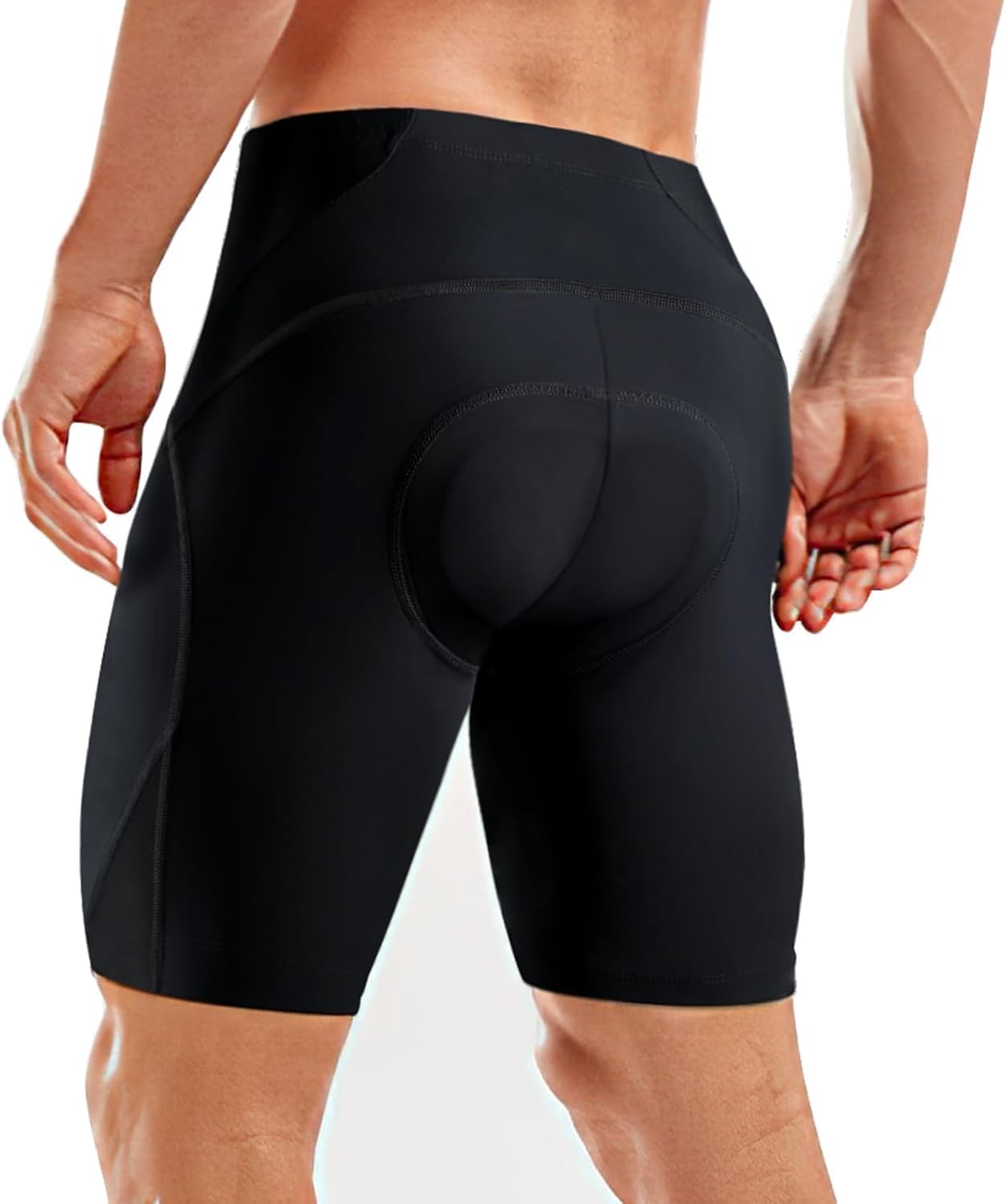
Sportneer Padded Bike Shorts for Men 4D Padding
4D padding and UPF 50+ in a forgiving cut that works as a first pair and as a commuter short
The looser fit lets the pad move around on long rides, and the fabric is the lighter of the two here
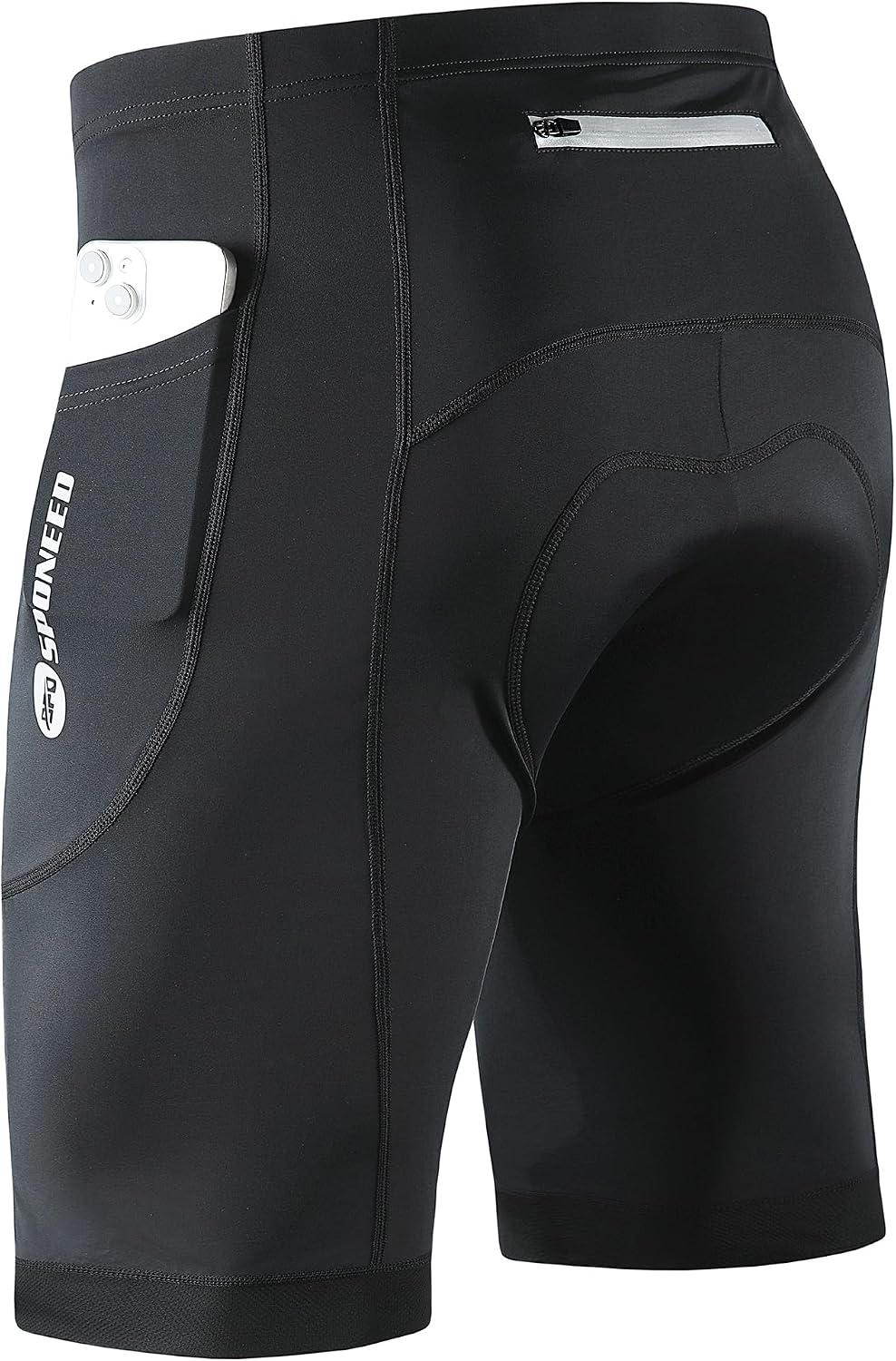
sponeed Men's Cycling Shorts Padded Bicycle Riding Pants
Closer cut and longer leg, the pair I would wear under 50 degrees
Tighter fit is unforgiving if you are between sizes, and there is no room for a liner underneath
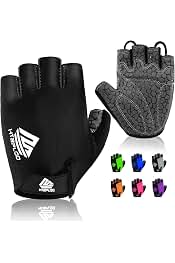
Bike Gloves Cycling Gloves with Anti-Slip Shock-Absorbing Pad, Half Finger
Anti-slip palm and a shock pad at the heel of the hand, which are the two spots that actually matter
Half finger means no knuckle coverage and no warmth, and sizing decides whether they work at all
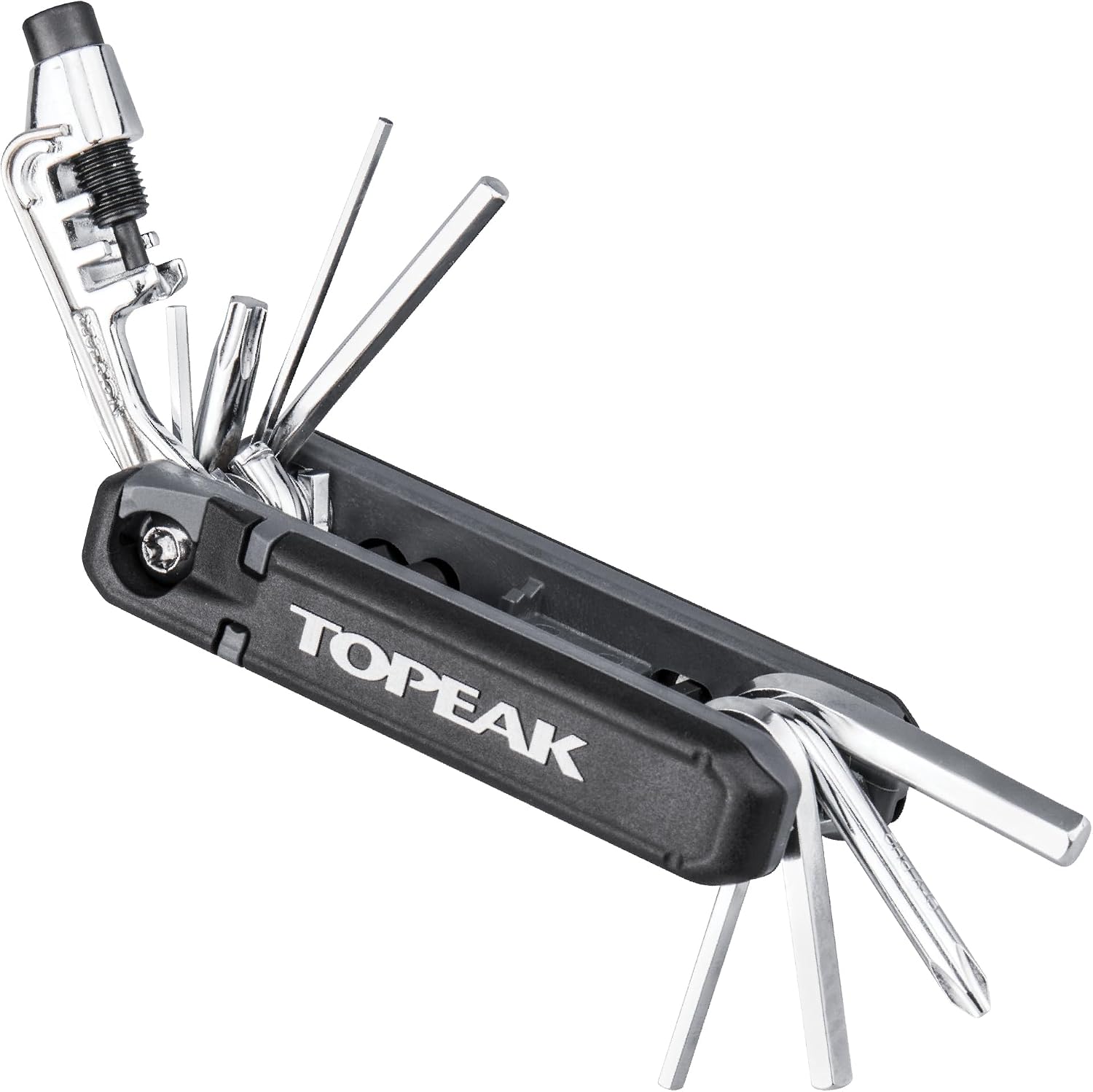
Topeak Hexus X Multi-Tool, 21-Function Bike Repair
A chain tool, tire levers, and a Presta core tool in one chrome vanadium body, with a chain tool built to be used
Bulkier than a minimal tool, and you are paying for functions a bike path rider will never touch
Prices and availability were captured from Amazon Creators API and may change.
Why these four items sit in the same comparison
Two pairs of shorts, one pair of gloves, one multi-tool. On paper that looks like a random drawer. In practice it is the same question asked four ways: what do you touch, and what do you reach for when the ride stops being fun?
The shorts and the gloves are contact points. They are the three places your body meets the bike, and they are where the cheap fixes live. The multi-tool is the other half of the same idea. It is the thing that keeps a mechanical from turning a 40 mile loop into a phone call. If you ride more than an hour from home, all four items are doing the same job: keeping you moving without a shop visit.
The reason I compare them together is that riders usually buy them in the wrong order. They buy a computer, then a light, then a nicer saddle, and only then do they figure out that their hands were numb for two seasons and their pad was never thick enough in the right place.
The shorts: padding is easy, fit is the hard part
Every padded short looks the same in a product photo. Black, some stitching, a pad you cannot see. The differences that decide whether you still like them at 3,000 km are all in construction.
Here is what I check, in order. First, where the pad is thickest. A good pad is dense under the sit bones and thinner toward the front, because that is the shape of the load. A pad that is uniformly thick feels great for 20 minutes and then starts pressing where you do not want pressure. Second, how the pad is attached. A floating pad shifts less than one that is stitched through in a grid, and the stitching is usually the first thing to pull. Third, the inner thigh seam. That seam is the number one failure point on every pair of shorts I have ever seen come apart, and it fails because of friction and salt, not because of a crash.
The sponeed shorts: the cold morning pair
The sponeed Men's Cycling Shorts Padded Bicycle Riding Pants are cut closer and longer than a standard short, closer to a tight than a baggy short. That is the appeal. Under 50 degrees, a tighter leg means less fabric flapping and less cold air moving over skin, and the longer inseam covers more of the quad.
The trade-off is the same thing that makes it work. A close cut has no tolerance. If you are between sizes, size up, because a tight short that bunches at the waist will slide down all ride and take the pad with it. There is also no room for a liner underneath, which matters if you were planning to wear these over something else.
The Sportneer shorts: the forgiving pair
The Sportneer Padded Bike Shorts for Men take the other approach. The 4D padding is the headline, and the UPF 50+ rating is the detail that matters more than most people think, because shorts are the one piece of cycling clothing that sits in direct sun for the entire ride. A loose cut that breathes and blocks UV is a real product, not a filler item.
What it gives up is pad stability. Looser fabric moves, and a pad that moves is a pad that chafes. On a 20 mile commute that is invisible. On a five hour ride it is the difference between finishing and sitting sideways. If your rides are short and your priority is comfort off the bike, this is the pair. If they are long, wear the tighter cut.
The rule nobody follows
No underwear under padded shorts. The pad is designed to sit against skin. A cotton layer underneath turns into a wet abrasive pad of its own by mile 15, and it is the single most common cause of saddle sores I see from riders who otherwise do everything right. Wash the shorts after every ride, and buy two pairs so you are never choosing between riding and laundry.
The gloves: palm first, everything else second
Gloves are the most underrated item in cycling and the one riders skip because they cost less than a computer and feel optional. They are not optional. The ulnar nerve runs through the heel of your hand, and that is exactly where a bar or a hood presses for hours at a time.
The Bike Gloves Cycling Gloves with Anti-Slip Shock-Absorbing Pad get the two critical details right. The anti-slip palm keeps your hands from creeping on the hoods when your grip gets sweaty, and the shock absorbing pad sits at the heel of the hand where the pressure actually lands. Half finger construction means this is a summer glove, and that is a fair trade for ventilation.
What half finger does not give you is knuckle protection or warmth, so this is not a gravel glove for a rock-strewn descent and it is not a shoulder season glove. Sizing is the whole game here. Measure around the widest part of your hand, not your palm length, and if you land between sizes, go smaller, because a loose glove bunches at the thumb web and that seam is the first thing to split.
The multi-tool: the chain tool is the whole review
I have a drawer of multi-tools that came back broken, and almost every one of them failed the same way: the chain tool bent the first time someone actually pushed a pin. That is the problem with buying a tool by function count. Twenty-one functions sounds like value until you realize that 18 of them are hex keys you already own and the one function that matters is the one that folded.
The Topeak Hexus X Multi-Tool is a 21 function tool with a chain tool, tire levers, and a Presta core tool in a compact chrome vanadium body. Chrome vanadium is the correct material for this job, and the Presta core tool is the detail that tells you someone at the company actually rides, because a valve core that unscrews mid-ride is a flat you cannot fix with a pump.
The honest trade-off is weight and bulk. A 21 function tool is heavier than a five function tool, and if you ride with a group, someone else always has one. Carry your own anyway. The ride where you need it is the ride where the group is already gone.
What breaks first: my wear list
Every product in this comparison has one failure point that shows up before anything else. Knowing them is how you decide whether the item is worth the drawer space.
Shorts fail at the inner thigh seam, then at the pad stitching, then at the leg gripper elastic. If a short survives 5,000 km without a seam failure, the fabric is good and you should buy the same model again.
Gloves fail at the palm heel, where the pad compresses to nothing, and at the thumb web seam. A glove that has gone flat in the palm is done. There is no repair.
Multi-tools fail at the pivot rivets, which loosen and make every hex key wobble, and at the chain tool pin, which bends. A tool with loose pivots rounds bolt heads, and a rounded bolt is how a $5 problem becomes a shop-rate job.
How I would buy these, in order
If you are starting from nothing, buy the shorts first. They change the most rides for the least money, and the difference between a padded short and street clothes is not subtle.
Then the gloves. They are the cheapest item here and they solve a problem most riders do not realize they have until their fingers go numb on a descent.
Then the tool, and buy it before you need it, not after. The day you need a chain tool is not the day to comparison shop.
If you already own decent shorts, the upgrade path runs the other direction. The tighter sponeed cut is the move for cold weather riders, and the Sportneer pair is the one to keep for commuting and short efforts. Two pairs of shorts and one pair of gloves will cover more of your season than any single component upgrade at the same money.
Bottom line
The Sportneer shorts are the pair I would hand a new rider, because the 4D pad and UPF 50+ coverage make them useful in the sun and forgiving everywhere else. The sponeed shorts are the pair for the rider who already knows what they want: a closer cut and a longer leg for the cold mornings that make up half of my own riding. The half finger gloves are the best value in this group, and the Topeak Hexus X is the one I would trust when a chain actually needs to come apart.
None of these are glamorous purchases. That is the point. A bike that has been maintained is faster than a bike that has been upgraded, and the gear that keeps you comfortable and moving is the gear that ends up mattering at kilometer 300.