Related: Chain Wear: How to Check It Before It Costs You a Cassette
I keep a short list of the parts that fail riders, and padded bike shorts and chain lube sit at the top of it. Not because either is expensive, but because both get bought casually. Shorts get picked by color. Lube gets picked by whatever is on the shelf. The multi-tool gets picked by how many functions are printed on the box, which is the least useful number in cycling.
Twelve years on a shop floor, the last five running service, teaches you the pattern. A customer comes back with saddle sores and the conversation starts with what they wore and how long the pad has been in service. A chain snaps at kilometer 60 and the only question that matters is whether the tool in the bag has a chain tool that actually pushes a pin. I measure things for a living: chain wear with a checker, sit-bone width on a foam pad, torque to spec on everything that bolts to a bike.
So this is the practical version of four things I would hand a customer: two pairs of padded shorts at two budgets, one multi-tool I would carry, and one chain lube for the dry season. Here is what each is for, and where I would spend differently.
Sportneer Padded Bike Shorts: the budget pair that does the honest job
The Sportneer shorts are the pair I point people toward when the budget is real and the goal is a first full season of riding. Four-density padding, UPF 50+, and a price that makes a second pair reasonable instead of painful. Two pairs is the actual recommendation, by the way. Rotating shorts gives the pad time to dry and the seams time to recover, and it roughly doubles how long the set lasts.
What I check first on any padded short is the pad itself. Thickness matters less than shape and position. A thick pad that rides forward puts pressure where you do not want it, and a thin pad in the right place beats a thick pad in the wrong one every time. The Sportneer pad is shaped for a more upright position, which suits commuters, trainer sessions, and flat-bar bikes.
Second is the leg gripper. Silicone bands that are too aggressive leave marks; bands that are too soft let the short creep up all ride. Third is the chamois seam, which is where cheap shorts give themselves away. Flatlock stitching or nothing. A raised seam under a pad is a saddle sore with a schedule.
Where this pair asks you to compromise: the fabric is heavier than a race short, the panel count is lower, and there is no bib option. None of that matters on a 45-minute commute. All of it matters on hour five. 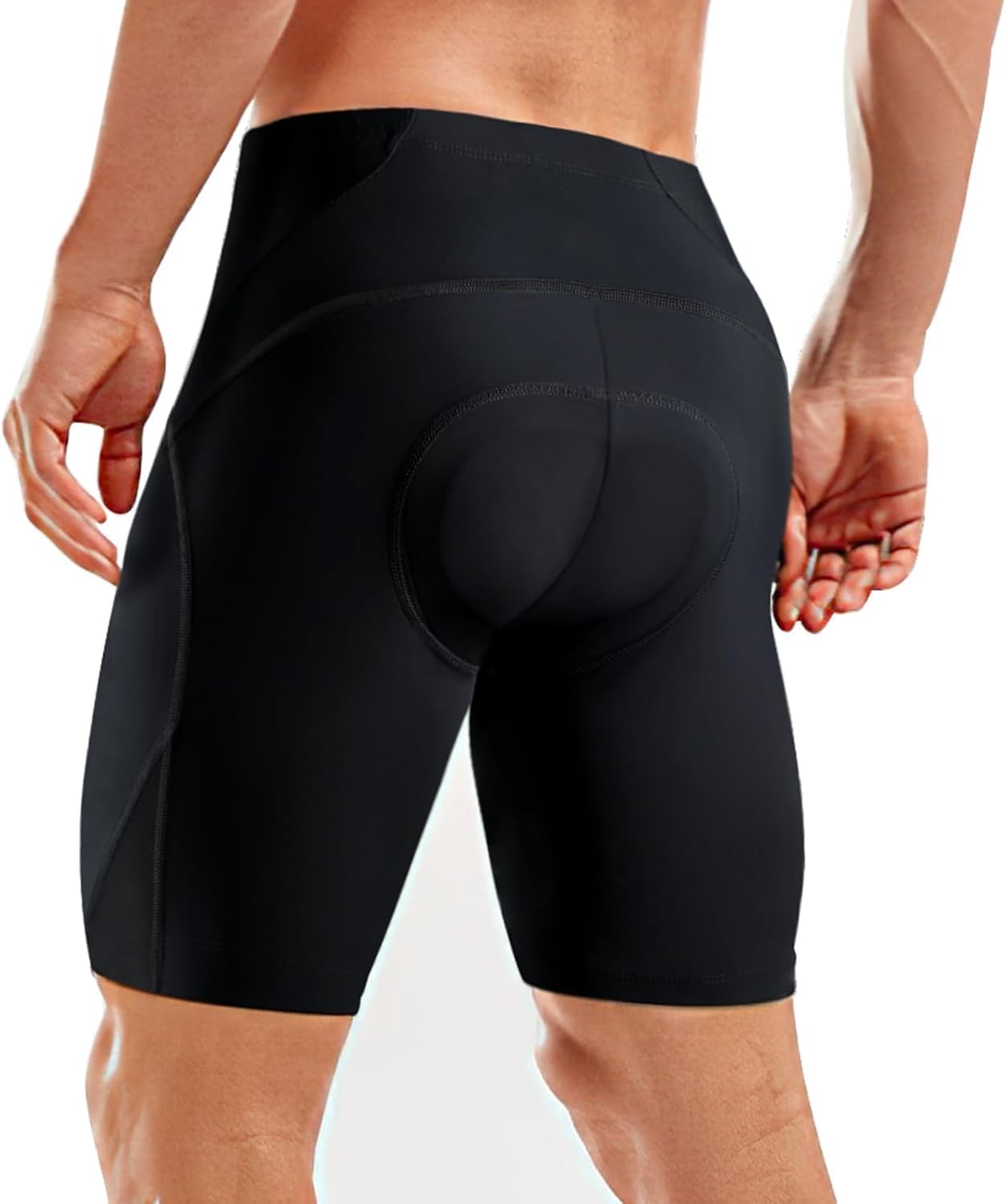 Visit on Amazon →
Bikewa Men's Bike Shorts: the pair with pockets and a longer day in mind
The Bikewa shorts are the step up, and the reason is mostly details. Three-dimensional padding, UPF 50+, and zipper pockets, which is the feature that quietly changes how you ride. A pocket that zips means keys and a phone stop living in a jersey you did not wear.
Zipper pockets sound like a gimmick until you use them, and then you wonder why every pair does not have them. The tradeoff is a little weight and bulk at the hip, which is noticeable on a race bike and invisible on a mountain bike or a commuter.
The same checklist applies: pad position, gripper, seams. On this pair the pad sits further back, which suits a more forward-leaning position than the Sportneer. If you ride drop bars and you have been fighting pressure at the front of the saddle, that difference is worth more than any pad density number printed on a box.
Two pairs at this price is a bigger commitment than two pairs of the Sportneer. That is the honest math. If you ride three times a week, it is still cheaper than one missed month of riding because you were uncomfortable. 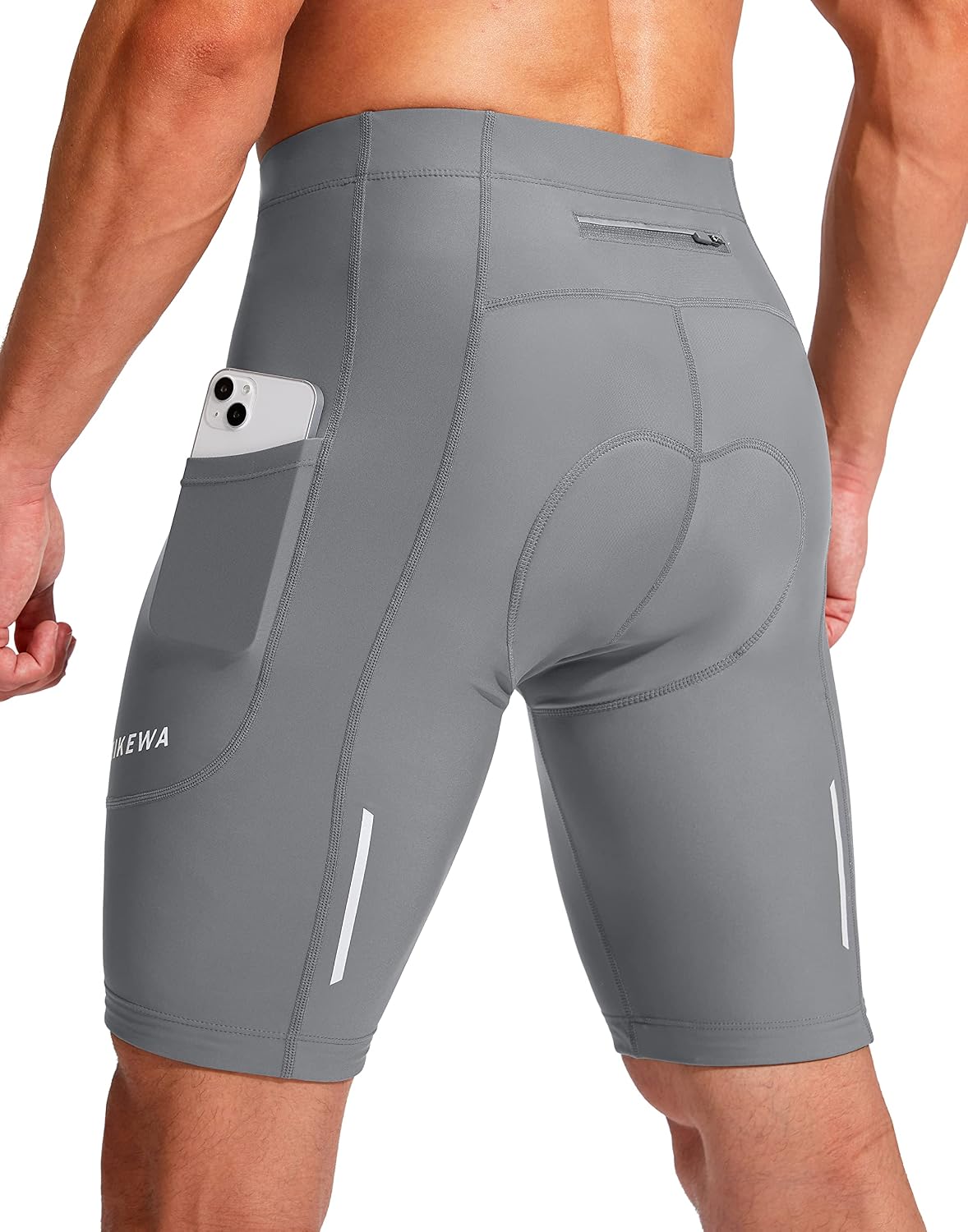 Visit on Amazon →
Topeak Hexus X Multi-Tool: the one where the chain tool actually works
Multi-tools are where cheap gear costs the most, because the failure happens far from home. This one carries 21 functions, a chrome vanadium body, a chain tool, tire levers, and a Presta core tool. The function count is not the point. The point is whether the chain tool survives a real pin push and whether the tire levers are stiff enough to seat a bead without folding.
The chain tool is the part that fails first on budget multi-tools. I have watched them bend on the first stubborn pin, which turns a five-minute repair into a walk. A chain tool needs a solid body, a pin that stays centered, and enough thread engagement that you are not fighting the tool and the chain at the same time.
Second are the levers. They should be one molded piece with a hook that grabs a spoke, not a flat strip that flexes. Third is corrosion. A tool that lives in a saddle bag sees rain, sweat, and road spray, and chrome vanadium with a decent finish will outlast anything that rusts at the pivot.
What it is not: a shop tool. It will not replace a proper chain breaker, a torque wrench, or a floor pump. It is the tool that gets you home, and it should be judged only on that job. On that job, this is the one I would carry. 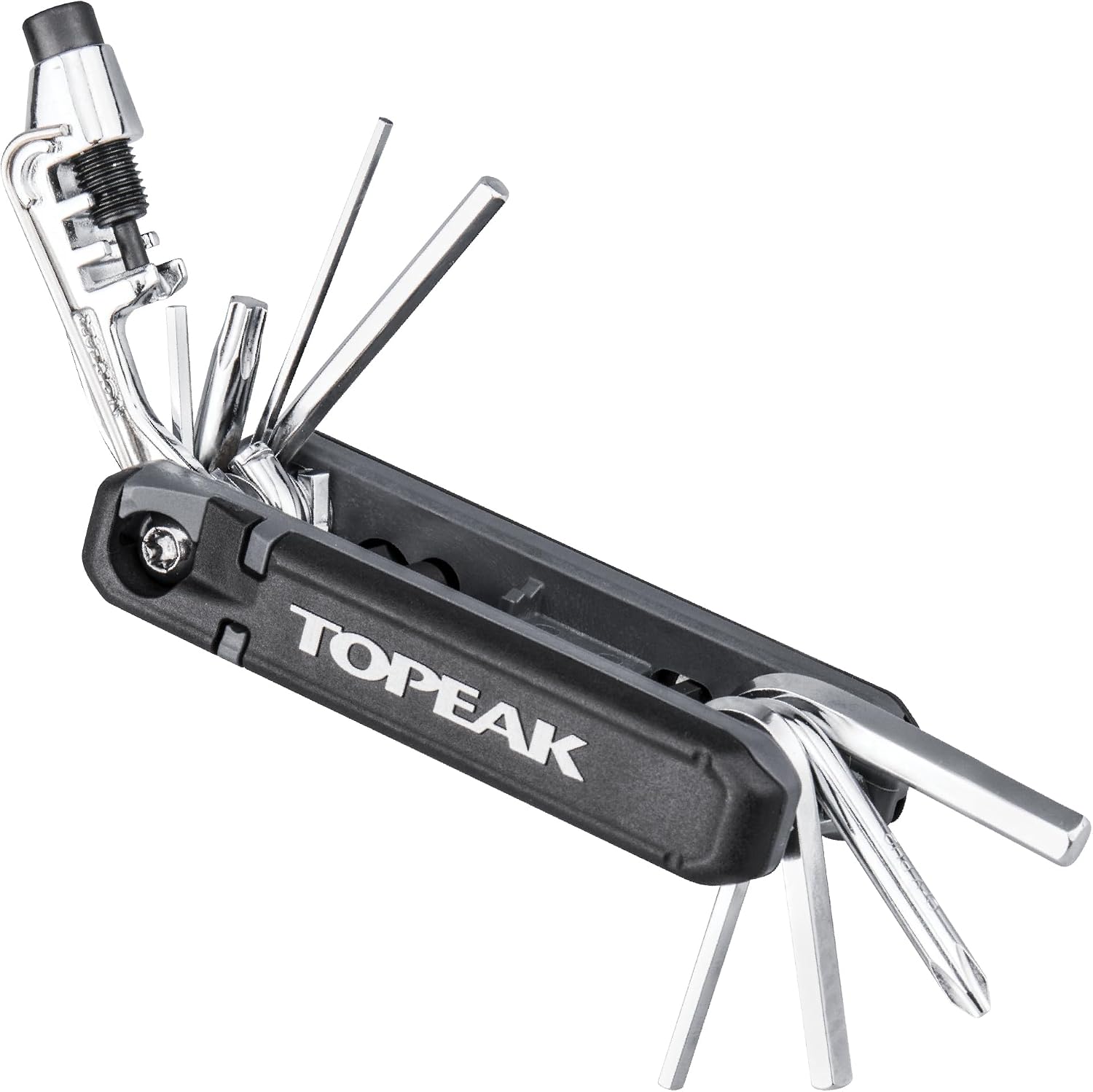 Visit on Amazon →
Rock N Roll Gold Chain Lubricant: the dry-season bottle
Chain lube is the cheapest maintenance decision you make and the one with the biggest effect on drivetrain life. Gold is a dry-condition lubricant, which means it goes on wet, carries solvent into the rollers, and then the carrier evaporates and leaves the lubricant behind. The two-pack matters because you should be reapplying more often than you think.
The rule I use: a dry lube every 100 to 150 miles in clean, dry conditions, and after any ride where the chain got wet regardless of mileage. A wet lube lasts longer between applications but collects grit, and grit is what actually wears a chain. In a dry climate, the dry lube is the right answer most of the year.
Application matters as much as the product. One drop per roller, not a stream down the length of the chain. Backpedal through the gears, let it sit, then wipe the outside of the chain with a rag until it is dry to the touch. The outside of the chain does not need lubricant. The rollers do. Most people over-lube and under-wipe, which is why their drivetrains look black.
Two bottles means one for the garage and one for the toolbox at work or the ride bag. Small thing, but it is the difference between lubing when you should and lubing when you remember. 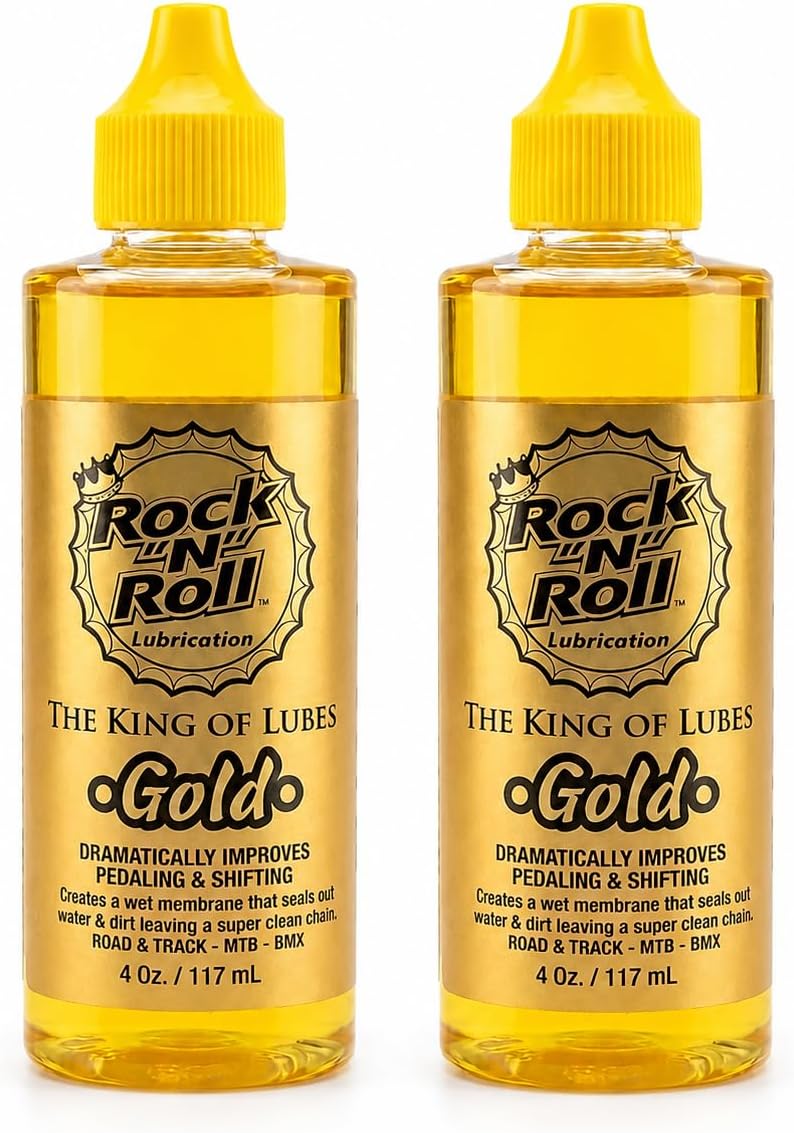 Visit on Amazon →
How I judge this category
Shorts come down to pad position and shape first, then seam construction, then gripper, then fabric. I check sit-bone width before recommending anything to a specific person, because width is a measurement, not a preference. A saddle or a short that ignores your width is a guess with a logo on it.
Tools come down to what breaks first and whether I can buy a replacement part. A multi-tool is a get-home tool, so the chain tool and the levers carry the entire verdict. Everything else on the body is a bonus.
Lube comes down to whether it stays in the rollers, whether it collects grit, and how often it needs reapplying. Chain wear is measurable with a $20 checker, and the gap between a chain that lasts 2,000 miles and one that lasts 4,000 is mostly lube discipline.
The reference table
This is the short version I keep in my head when someone asks what to buy. Price moves, so check the listing rather than trusting a number in a review.
| Item | What it does | Where it earns its place | Price |
|---|---|---|---|
| Visit on Amazon → Sportneer Padded Bike Shorts |
4D padding, UPF 50+, upright fit | Commutes, trainer sessions, first long rides | $19.99 |
| Visit on Amazon → Bikewa Men's Bike Shorts |
3D padding, UPF 50+, zipper pockets | Longer road days, pockets for phone and keys | $33.99 |
| Visit on Amazon → Topeak Hexus X Multi-Tool |
21 functions, chain tool, levers, Presta core | Every saddle bag, every ride | $29.49 |
| Visit on Amazon → Rock N Roll Gold Chain Lubricant |
Dry-condition chain lube, 4 oz, two bottles | Dry-season drivetrain maintenance | $19.99 |
Where the money actually goes
The pad is not the whole story
Chamois thickness is the number brands print because it fits on a box. It is the least useful one. What matters is where the pad sits relative to your sit bones and how the short holds it there under load. A pad that migrates forward is a pad that is not doing its job, no matter how thick it is. This is why two shorts at similar prices can feel completely different, and why fit beats spec every time.
Two pairs beats one expensive pair
The strongest argument for the budget pair is not the budget. It is that you can own two. Pads need to dry, seams need to recover, and laundry has a schedule that does not care about yours. Two pairs of an honest short will serve you better than one pair of a better short, because you will actually ride more.
Chain lube and chain wear are the same conversation
Every chain wear argument in a shop ends the same way: with a checker. Lubrication is the input, wear is the output, and the interval between them is the product. Pick the lube that matches your weather, apply it on a schedule instead of on a feeling, and wipe the outside of the chain dry. That is the entire discipline.
Should you buy the Sportneer shorts?
Yes, if budget is the real constraint and the riding is commutes, trainer sessions, or a first season. The 4D pad is shaped for a more upright position, the UPF 50+ rating covers the summer sun, and the price makes a second pair sensible. It is not the short for a hard road ride at hour five, and the fabric will feel heavier than a race short. Buy it for the job it was built for.
Should you buy the Bikewa shorts?
Yes, if you ride drop bars, want pockets, and ride more than twice a week. The 3D pad sits further back, the zipper pockets solve the phone-and-keys problem permanently, and the UPF 50+ fabric handles long days in the sun. It costs more than the Sportneer, and the difference buys pad placement and storage, not magic.
Should you buy the Topeak Hexus X?
Yes. The chain tool is the reason, and the tire levers and Presta core tool are the supporting cast. It lives in a saddle bag without rusting at the pivot, and it will still be in your bag when the tool you bought on function count has bent its pin. It is a get-home tool, and it does that job properly.
Should you buy Rock N Roll Gold?
Yes, if you ride in dry conditions and you will actually reapply. Every 100 to 150 miles, and after any wet ride. If your winters are wet, buy a wet lube for those months and keep this for the rest of the year. Chain wear does not negotiate, and the cheapest thing you can do for a drivetrain is lubricate it on a schedule.
The short version
Shorts are a fit problem, lube is a schedule problem, and a multi-tool is a get-home problem. Solve those three and you stop buying gear twice: once at the register, once when it fails at kilometer 300. Start with the pair that matches your bars, add the tool that survives a pin push, and put a bottle of dry lube where you will see it. Then measure your chain and get on with the riding.