Related: Saddle Height and Setback: How to Measure Yours at Home
Most of my riding happens in the dark. The shop owns the day, so I am on the road before 7 a.m. or after 6 p.m., 15,000 km a year, and the last five years of that have taught me that night riding cycling safety gear is the only category where a bad purchase gets you hurt instead of annoyed. A light that dies at kilometer 40, a glove that slips on a wet brake lever, a helmet sitting too high on the brow: those are not inconveniences, they are the failure modes that walk into the shop on Monday.
This is a guide for the rider building a night kit without buying it twice. Four items, in the order I would buy them: a helmet, a light set, a pair of full finger gloves, and one product that keeps showing up in the same search results and deserves a straight answer instead of a marketing one.
One habit runs through all of it. The spec sheet is a suggestion. I measure what I can and write down what I can't, because the gap between the claim and the number is the review.
Best Overall: P2R A20 MIPS Bike Helmet with Rear LED Light
Helmet first, always. It is the only item on this list where the failure mode is not "walk home," and this one pairs two things that belong together: a MIPS liner and an integrated rear LED.
MIPS is a low friction layer inside the shell designed to let the helmet slide slightly against your head during an angled impact. You cannot measure that in the bucket. What you can measure is fit, and fit is what you are actually buying.
Three checks, in order:
- Head circumference with a tape, in centimeters, above the eyebrows. Then the size chart. Not the other way around.
- Level the shell so the front edge sits just above the brow, roughly two fingers above the eyebrow. A helmet tipped back leaves your forehead exposed.
- Tension the dial until the shell moves your scalp when you shake your head. If the helmet stays still while your head moves, it is not on.
The rear LED is the reason this sits at the top for night riders. Most people run a taillight on the seatpost and stop thinking about it. A helmet mounted light rides higher, moves with your head, and does not get blocked by a jacket or a saddle bag. One less bracket, one less battery to remember.
Two habits from the bench. Helmets are single use in a crash, including a low speed one, because the foam does not heal. And if you have never measured your head, do it today, because the most common helmet problem I see is not the wrong model. It is the wrong size worn loose.
Best Value: Cuvccn Rechargeable Bike Light Set
A matched set is the right first light purchase, because the rear is the one people forget. This set covers what you need and skips the theater: rechargeable front and rear units, multiple modes, a waterproof rating, reflectors, and a long battery life claim that you should verify yourself rather than trust.
Two things to check before you trust any light set.
The gasket at the charge port. That is where water gets in on most of the lights I open, and "waterproof" on the box does not mean the rubber flap is seated. Look at it, press it closed, and if it feels loose, treat the light as water resistant and not waterproof.
The mount. A bracket that strips mid-ride turns a light into litter. Hand tighten, check it after the first ride, and re-check every few weeks, because vibration loosens everything eventually. Cheap brackets are the reason I tell people to spend five dollars on a spare mount before they need one.
On output: a box claim is not a measurement. I built an integrating sphere out of a five gallon bucket, flat white paint, a hole saw, and a forty dollar lux meter to settle this for myself, and the number printed on the package is almost never the number that comes out. What matters more at this price is where the beam lands, on the road and not in the treetops, and whether the rear unit is visible from more than one angle. Multiple modes matter less than the one mode you will actually use.
Rechargeable beats disposable cells, with one catch. Rechargeables die on their own schedule, and cold weather moves that schedule up. Charge before every night ride in winter instead of after every failure, because the night it dies will be the night you needed it.
Best for Cold Hands: WESTWOOD FOX Full Finger Cycling Gloves
Full finger gloves are the difference between riding into November and putting the bike away. This pair is built for exactly that: a padded palm, an anti-slip surface, touchscreen fingertips, and full coverage for a dark commute.
What I check on any glove:
- Palm padding that sits under the heel of the hand, not in the middle of the palm where the bar never touches.
- Seams at the thumb and index finger, which is where gloves split first on flat bars.
- Finger length on the levers. A glove one size too long catches the brake lever, and that is a safety problem, not a comfort one.
- Touchscreen fingertips, so you can check a route or answer a call without pulling a glove off in the cold.
The anti-slip palm matters more than people think after dark. Wet aluminum bars and a smooth synthetic palm are a bad combination, and grip is one of those things you only notice when it is gone.
The Insole Question: Height Increase Insoles
This is the product that keeps appearing next to night riding gear in the same search results, and I would rather answer it honestly than pretend it does not exist. A 1.4 inch memory foam stack under your foot changes your leg length, and your bike has no idea you did it.
If you put these in cycling shoes, raise your saddle by the same amount. Otherwise your knee angle closes, your hip angle closes, and the fit you paid for is gone. That is a measurement, not an opinion.
Trim-to-fit means cut less than you think, because you cannot add material back. Memory foam also compresses with use, so the effective stack shrinks over time and the number drifts. If the insoles are for confidence off the bike, that is your call. If they are going in a cycling shoe, measure the stack, set the saddle, and write the number down.
How I evaluate night riding gear
I do not trust a product page. I trust a bucket, a measured loop, and mileage.
The bucket is an integrating sphere I built from a five gallon pail, flat white paint, a hole saw, and a lux meter. It settles lumen claims in about ten seconds, and it has never once agreed with a number printed on a box.
The loop is a 16.2 mile course I measured with a survey wheel. Every GPS unit I touch runs the loop before I say a word about accuracy, because the loop does not care about marketing.
For everything else, the standard I would hand a friend is simple. Give it 500 km or 100 cycles of the mechanism before you decide. The first 100 km tells you whether it works. The next 10,000 tells you whether it was worth it.
Then the boring checks that decide whether a product has a future:
- Can you buy a spare part? A mount, a strap, a gasket, a bracket.
- Is the battery replaceable, or does the light have an expiration date?
- Does installation need shop-rate hours? A product that needs an hour of fiddling is not cheap, it is cheap plus an hour.
- Does the warranty policy match the marketing?
Analysis: what the claims actually mean
Every item here makes a claim. Here is how I read them.
"Super bright" is not a number. Without a lux meter, ride it and watch where the light lands. A good beam puts light on the road ahead and cuts off above the horizon so you are not blinding oncoming riders. A light aimed at the treetops is a light pointed wrong, not a light that is too weak.
"Waterproof" is a gasket, not a rating. Check the charge port cover, and if you ride in real rain, dry the port before you plug it in.
"MIPS" is a design, not a guarantee. It is one more layer of protection in a crash, and it does not replace fit, which is why I start with a tape measure.
"Memory foam" is a claim about comfort and a fact about compression. Any foam under a foot loses height with use, which is why insoles and saddle height belong in the same conversation.
The night riding gear reference table
This is how I would build the kit, in order of purchase, with what each item does and what to check when it arrives. Every one of these has a job, and none of them is decoration.
| Item | Job | Setup | Notes |
|---|---|---|---|
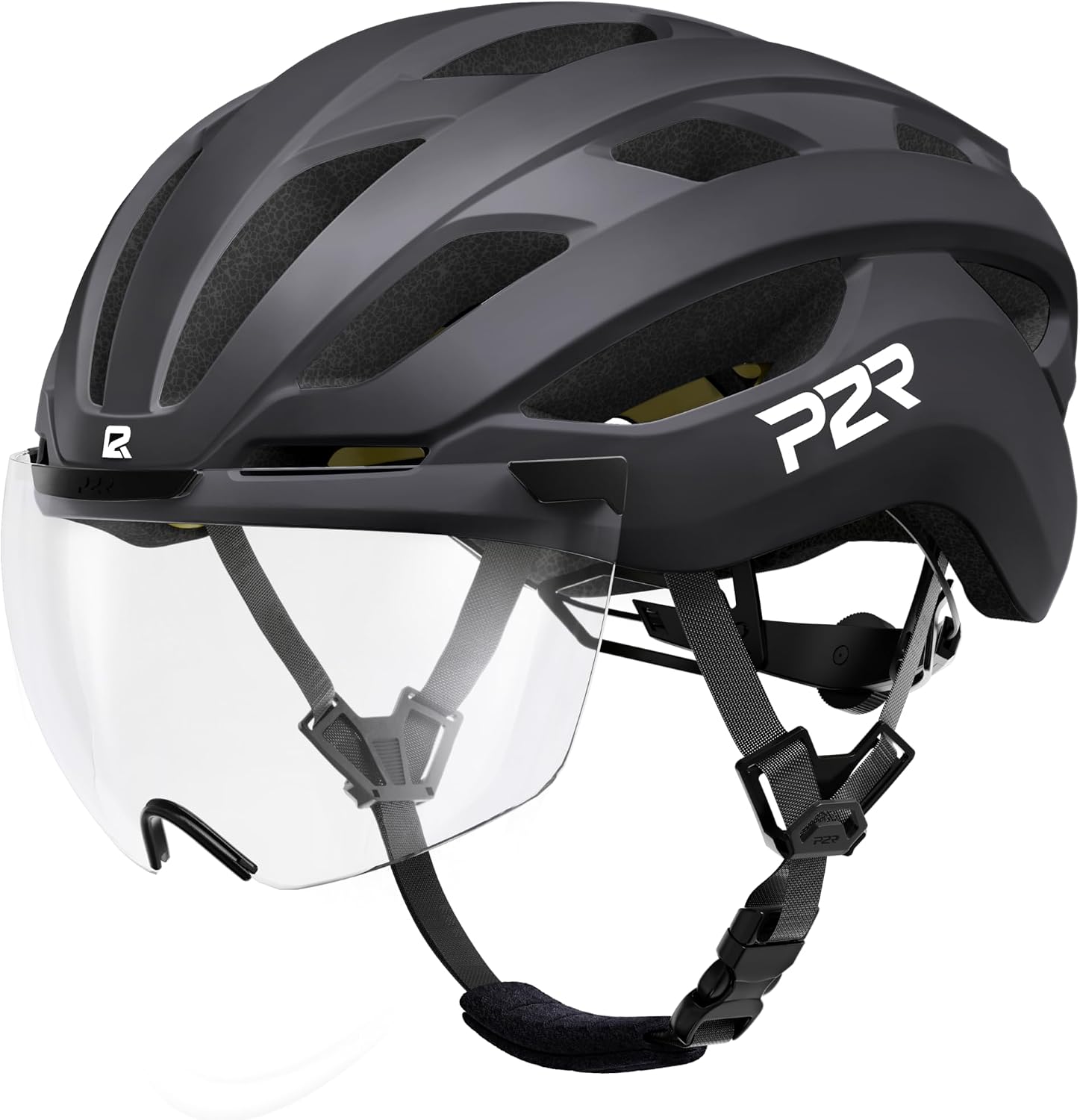 Visit on Amazon → Visit on Amazon →P2R A20 MIPS Bike Helmet with Rear LED Light |
Head protection and rear visibility | Level the brow, tension the dial, two fingers above the eyebrow | MIPS liner; integrated rear LED; replace after any impact |
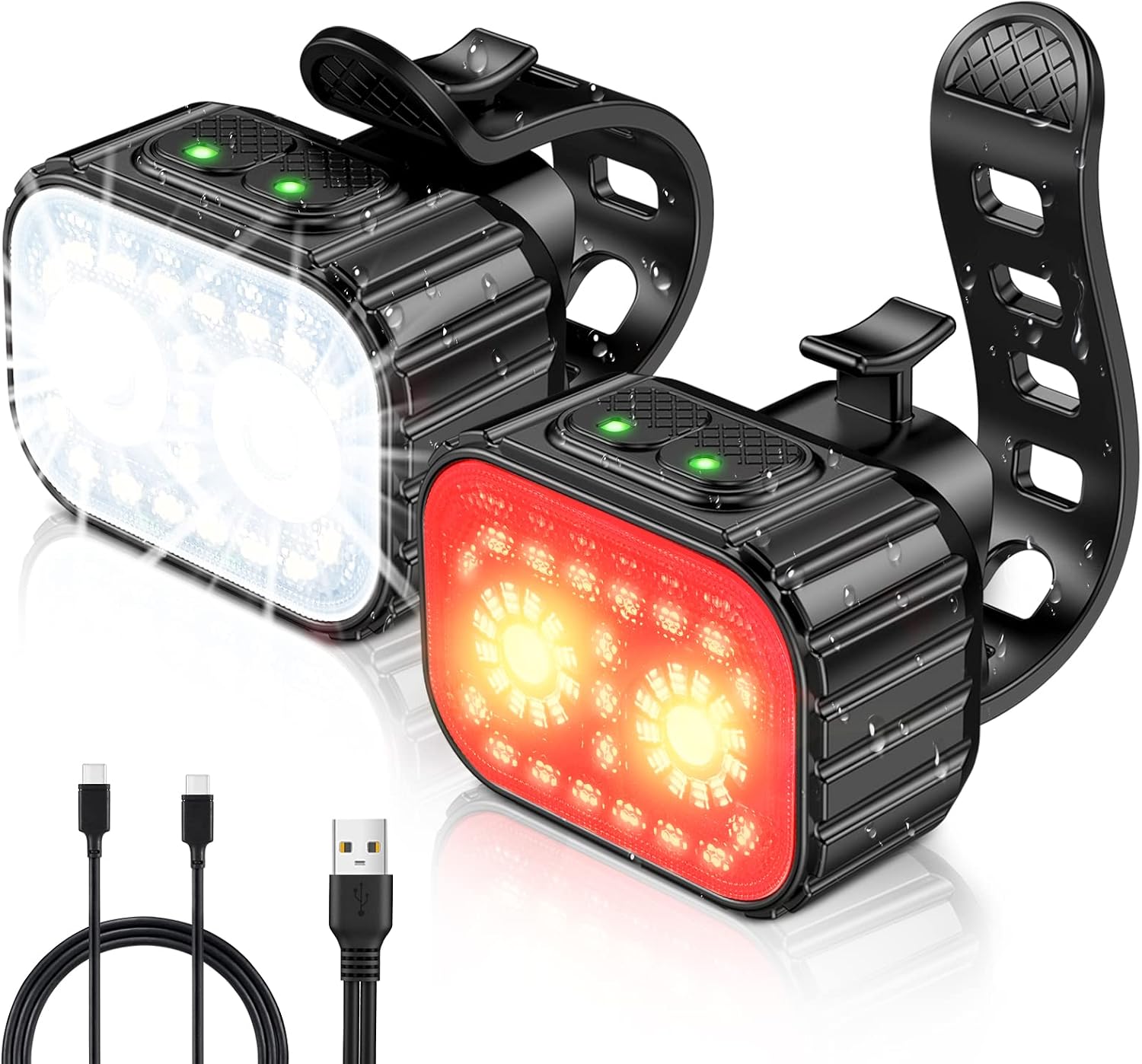 Visit on Amazon → Visit on Amazon →Cuvccn Rechargeable Bike Light Set |
See and be seen | Charge both units, check the port gasket, hand tighten the mounts | Rechargeable; multiple modes; front and rear with reflectors; long battery life claim |
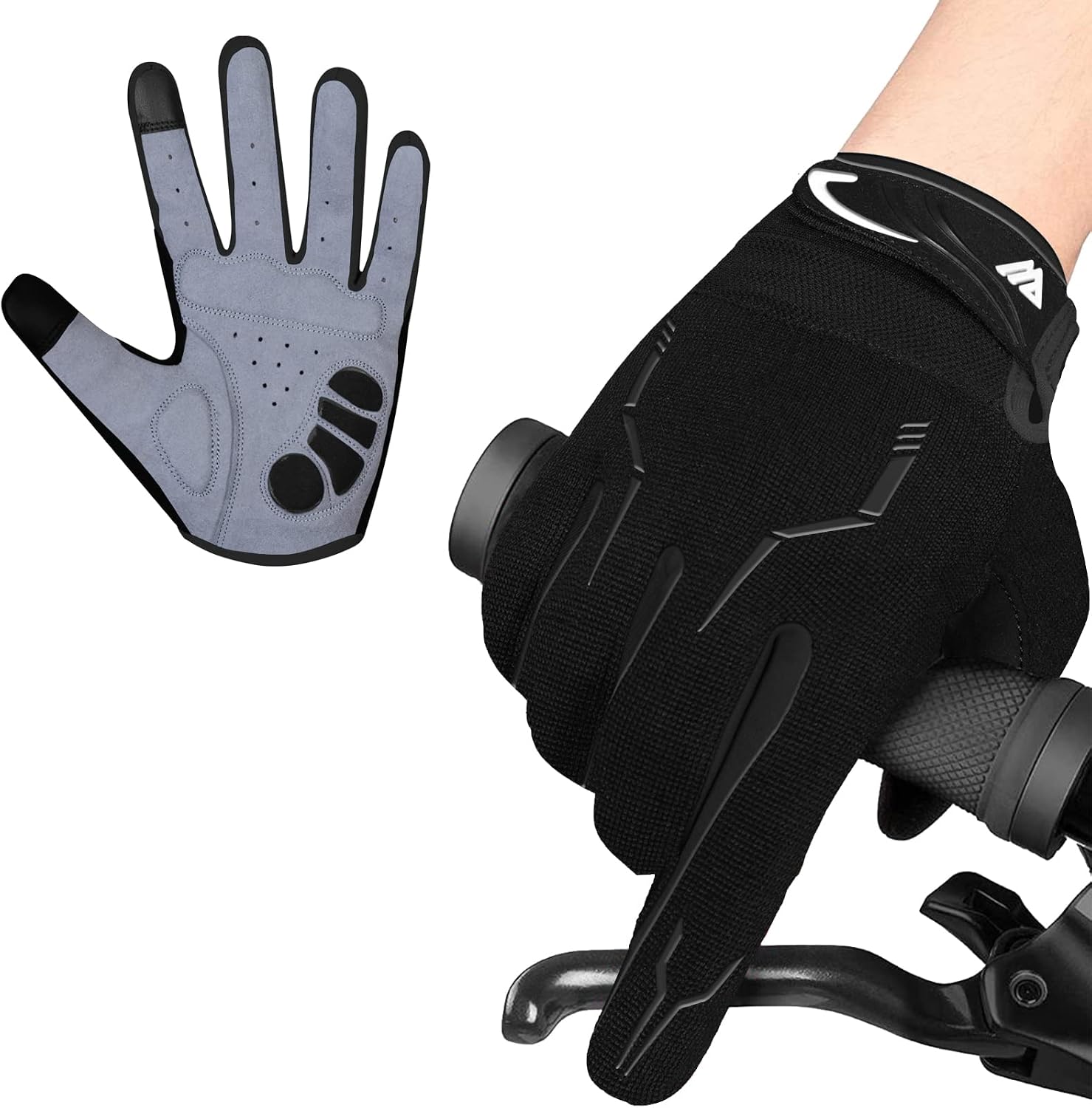 Visit on Amazon → Visit on Amazon →WESTWOOD FOX Full Finger Cycling Gloves |
Grip, padding, warm hands | Check finger length on the levers and the seams at the thumb | Padded anti-slip palm; touchscreen fingertips; full finger coverage |
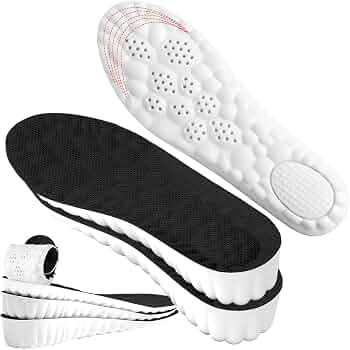 Visit on Amazon → Visit on Amazon →Height Increase Insoles |
Foot position change | Trim to fit, then raise the saddle by the stack height | 1.4 inch memory foam stack; compresses with use |
What I would not add to this kit
A cable lock. If the only thing between your bike and a thief is a cable, the thief is already home. That is a different article, but it belongs in the same conversation, because the cheapest way to lose a bike is to secure it with a suggestion.
A twelve dollar rubber strap phone mount. I have seen the aftermath, and the aftermath is a cracked screen and a phone in the road.
Anything over fifty dollars with a sealed battery. If you cannot replace the battery, the product has an expiration date, and the schedule is not yours.
Should you buy the P2R A20 MIPS helmet?
If it fits, yes. It puts protection and rear visibility in one item, which is exactly what a night kit should do, and the rear LED means one less bracket on the bike.
The catch is the fit. Measure your head, level the shell, and tension the dial until the helmet moves with your scalp. A loose helmet is a decoration. And remember the rule: after any impact, that helmet is done.
Should you buy the Cuvccn light set?
Yes, as a first set. Front and rear together, rechargeable, multiple modes, waterproof, and priced like a set should be. Check the port gasket and the mount when it arrives, and charge it before every ride in winter instead of after every failure.
Should you buy the WESTWOOD FOX gloves?
For cold hands and dark commutes, yes. Padded anti-slip palm, full finger coverage, touchscreen tips. Sizing is the whole game, so check finger length on the levers before you commit, and check the seams again after a month of riding.
Should you buy the height increase insoles?
Only with a tape measure. A 1.4 inch stack changes your leg length, so raise the saddle by the same amount, trim less than you think, and accept that memory foam compresses over time. For confidence off the bike, they do what they say they do. On the bike, they are a fit change, and fit changes get measured.