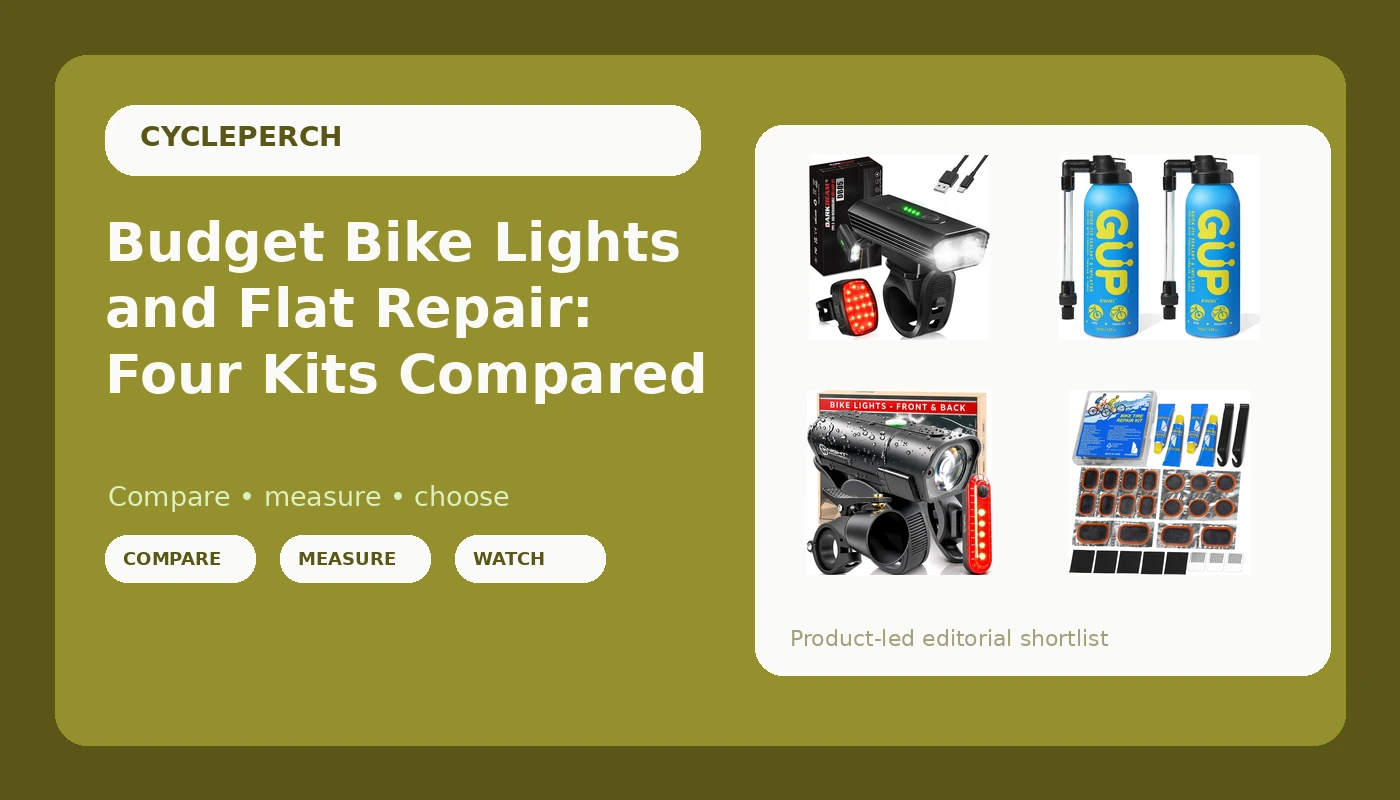
Night riding in Boulder splits into two problems, and they have nothing to do with each other. The first is seeing and being seen: a headlight bright enough to pick a pothole out of the dark at 25 mph, and a taillight a driver actually registers at dusk. The second is the flat that ends the ride, usually two miles from the truck, usually after the sun is already gone. I spent twelve years as a shop mechanic and the last five as a service manager, and I can tell you which of those problems costs riders more money. It's the second one, every time, because a rider with no plan for a flat doesn't call a shop. They call a friend with a car.
So this is a straight comparison of bike lights and tire repair kit options at the cheap end of the market, the stuff that turns up in the same search results and gets bought in the same order. I've serviced the brackets, patched the tubes, and scraped enough dried sealant out of wheels to have opinions about all of it. Four products, four jobs, one honest question: what actually earns the space in your bag?
The short answer: if you ride at night, a matched front and back set is a smarter first purchase than one enormous headlight. If you ride anywhere remote, a patch kit is the cheapest insurance in cycling, and a sealant-and-inflator is the tool that saves you when you really don't want to pull a wheel at 6 a.m.
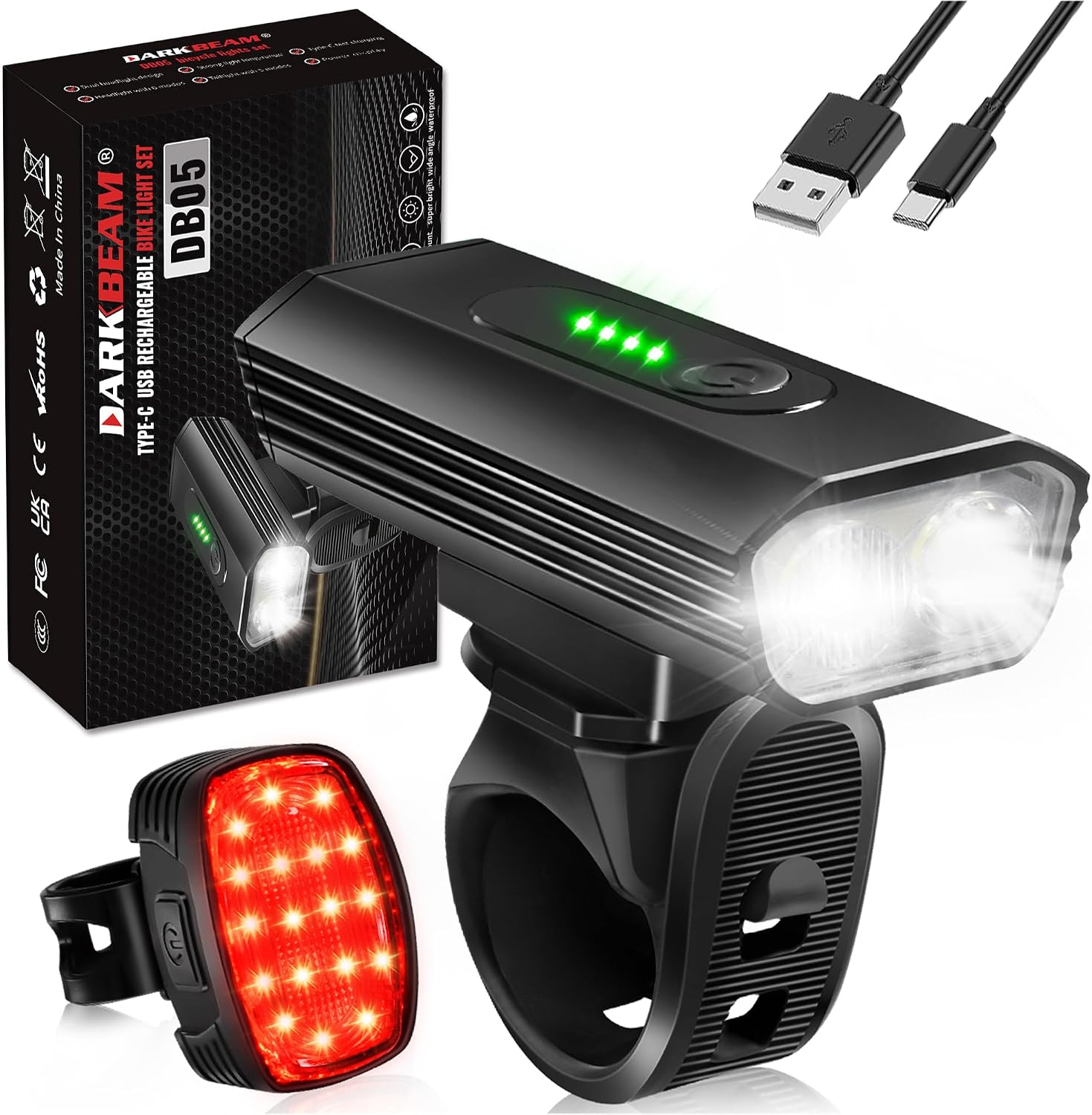
DARKBEAM Bike Headlight Rechargeable USB-C, Bicycle Lights 4000LM
The biggest claimed output of the group, USB-C charging, and a price that makes it an easy second light
A 4000-lumen claim on a light in this price band is a peak number, not a runtime number, and the cell inside is sealed
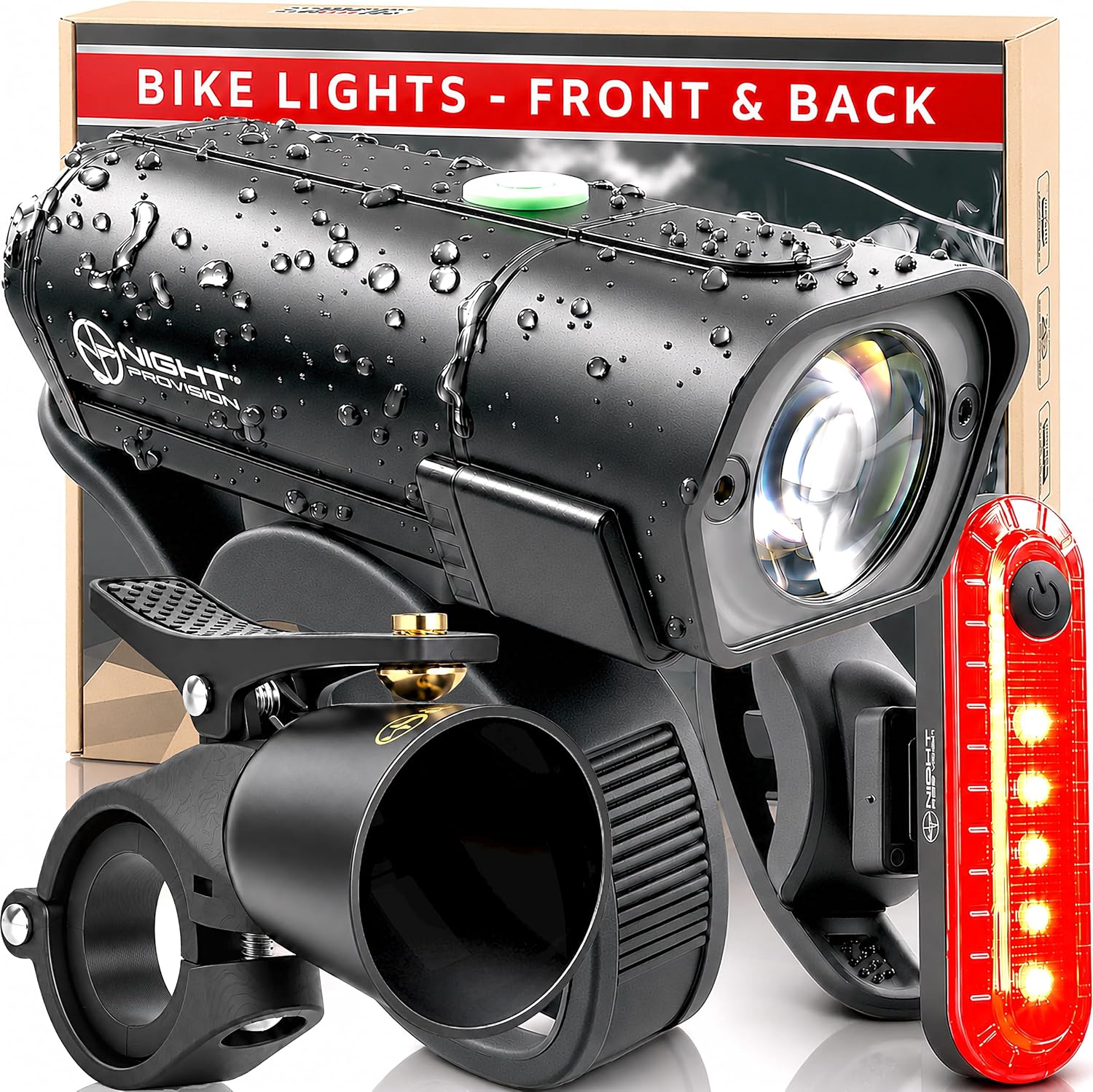
BX-500 Powerful USB-C Bike Lights Front & Back, New 500 Lumens LED - Bicycle Headlight & Taillight Set, USBC Rechargeable, Waterproof - Safety for Night Riding - (Optional - Premium Bike Bell)
The only product here that solves both ends of the bike, with USB-C and a taillight in the box
500 lumens is commuter light, not trail light, and the taillight runtime is the number that matters most
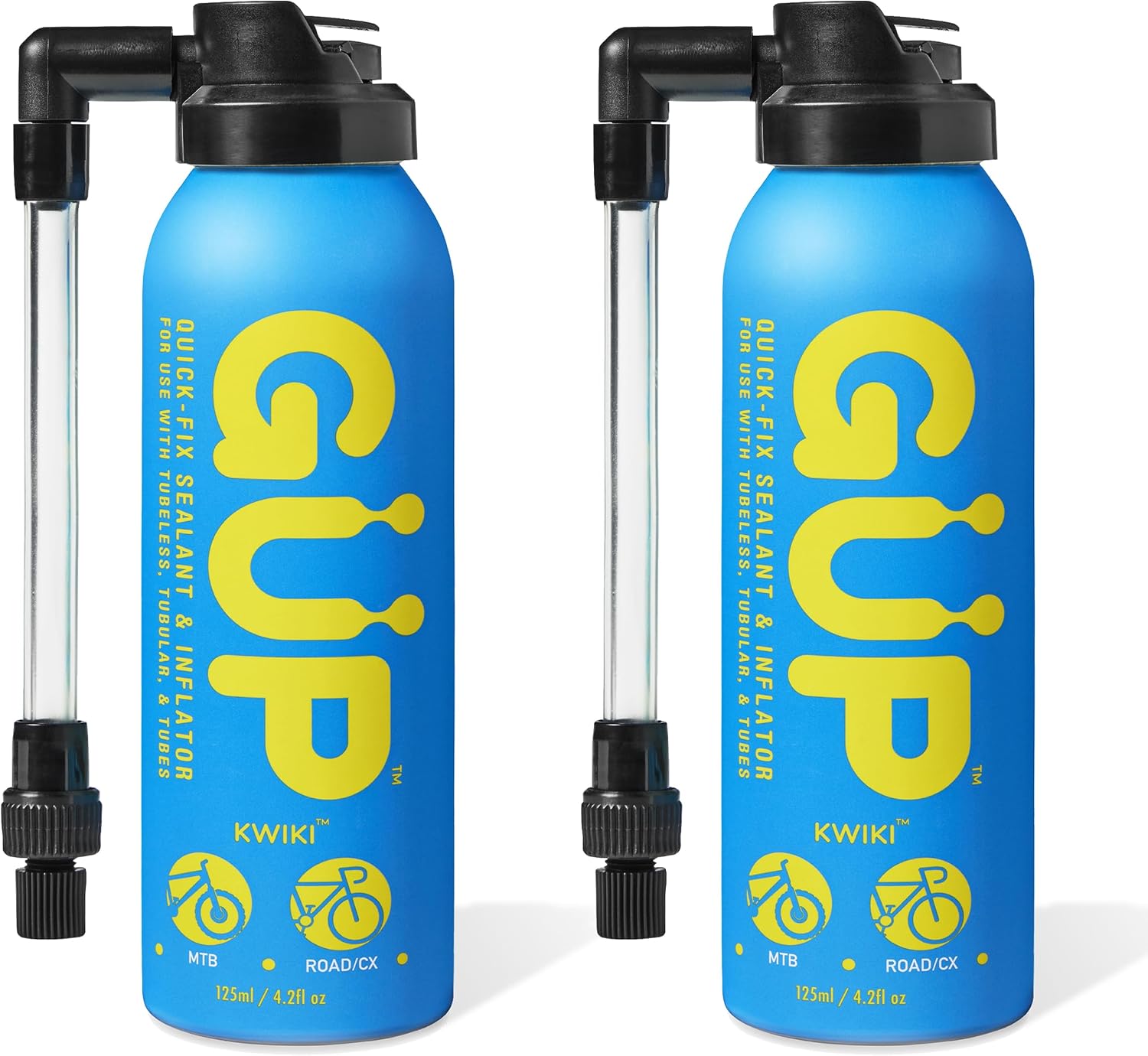
G U P (GÜP Kwiki Quick Fix Tire Sealant and Inflator; for Mountain Bike, Road, Cyclocross, Gravel; Seal and Repair Flat or Punctured Tires (Hose Top Adapter Schrader/Presta)
Seals and inflates in one motion without removing the wheel, and the hose adapter covers both valve types
Costs more than a tube, and it can't save a torn sidewall or a cut too big for sealant to bridge
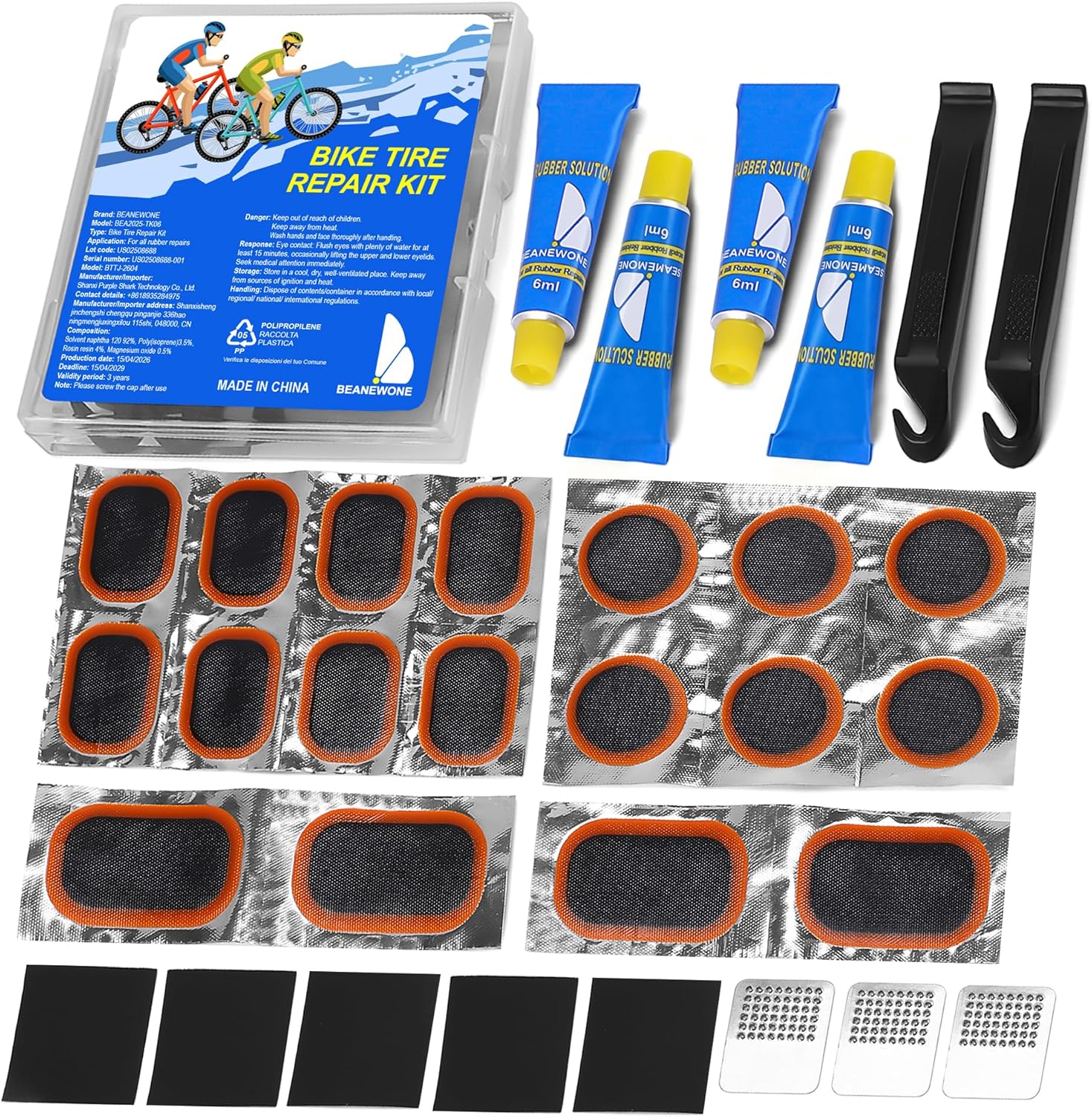
Bike Tire Repair Kit, Bicycle Inner Tube Patch Kit with 4 PCS Tire Repair Glue, 18 PCS Tube Patches & 2 PCS Tire Levers, Portable Case for Bicycle & Inflatable Tubes (Upgrade Suit)
Eighteen patches, four tubes of glue, levers, and a case for less than the cost of one shop visit
The levers are the weak link, and glue needs cure time most riders won't give it on the roadside
Prices and availability were captured from Amazon Creators API and may change.
How I judge gear like this
Every customer complaint is a measurement problem, and that habit runs my whole garage. The bucket, a five-gallon pail lined with flat white and fitted with a lux meter, settles every lumen argument that walks through the door. The loop, a 16.2-mile course I measured with a survey wheel, settles every accuracy argument. Neither one is optional, and neither one is fooled by a box.
I apply the same three questions to cheap gear that I apply to expensive gear. Can I measure the claim? What breaks at 5,000 km, and can I buy a spare part for it? Does installation cost shop-rate hours I should warn people about? A product that needs an hour of fiddling isn't a $30 product, it's a $30 product plus an hour of my life.
The other rule is the one I break for nobody: I don't call something reliable until it has real miles on it. The first 100 km tells you whether it works. The next 10,000 tells you whether it was worth it. Nothing in this price band has earned that second number from me yet, so treat what follows as a buying guide, not a wear test.
The headlight: a big number and a small price
The DARKBEAM headlight leads with 4000LM, and I want you to read that number the way a mechanic reads it. On a light that costs less than a shop's hourly rate, a claim that big is a peak output number, usually sustained for a short burst before the driver and the cell heat up and the output steps down. That's not a scam, it's physics. There is no battery small enough to carry on a handlebar that holds that kind of output for hours.
What matters more is the beam pattern and the mount. A light that throws a narrow spot looks impressive in a driveway and useless on a descent, because you can see 200 feet ahead and nothing in the six feet directly in front of your wheel where the gravel actually is. And a bracket that strips its threads is a light you stop using. I've replaced more broken light brackets than burnt-out lights, and I'd guess that ratio holds for most riders.
USB-C charging is the right call and I'll take it over a proprietary cable every time. The sealed cell is where I get twitchy, because a light whose battery isn't replaceable has an expiration date, and the schedule belongs to the manufacturer, not to you. If you want one very bright unit for early morning laps and you accept that it will eventually become a paperweight, this is a reasonable way to spend the money. As a second light for the helmet, it's a better value than as your only light.
The front and back set: the commuter answer
This is the one I'd hand to a rider who commutes. The BX-500 set solves both ends of the bike, which is the thing most people get wrong: they spend the whole budget on a front light and then ride home with a taillight that a driver can't see past 40 feet. Half of night riding is seeing. The other half is being seen, and the second half is the one that keeps you out of the hospital.
Five hundred lumens is a commuter number, and that's fine. On a lit street with traffic, 500 honest lumens is plenty to spot a pothole at moderate speed. What it is not is a trail light or a rural descent light, and no amount of marketing changes the arithmetic. If your ride includes unlit road at 25 mph, this is your backup, not your primary.
Two details to check before you trust it. First, the taillight runtime, because a set that dies at 90 minutes leaves you invisible on the way home, and the front light's runtime is always the number in the ad copy. Second, the waterproofing claim. I've lost count of "waterproof" lights that quit after a drizzle, usually at the seam where the housing meets the charge port cover. A light that survives a Boulder downpour and a light that survives a damp bike path are different products, and the port cover is the tell.
The sealant and inflator: the fix at 6 a.m.
The GÜP Kwiki is the product in this group that solves the problem I actually get calls about. It pushes sealant into the tube or tire and inflates in the same motion, with a hose-top adapter that works on both Schrader and Presta valves. No wheel removal, no levers, no patch, no glue cure time. On a cold morning in the dark, that sequence is worth real money.
It's marketed for mountain, road, cyclocross, and gravel, and the honest limits are the same for all four. Sealant bridges punctures. It does not bridge a torn sidewall, a pinch cut, or a slash from a piece of road debris. If your flat is a goathead, this is a 90-second fix and you keep riding. If your flat is a two-inch gash, you're calling the friend with the car regardless of what's in your bag.
The cost per flat is higher than a patch and a tube, and the container is the kind of thing you should check before a big ride rather than during one. But as a tool that turns a ride-ending flat into an inconvenience, it earns its place. This is the one I'd put in the bag for a long gravel day where the nearest shop is a long way behind me.
The patch kit: the cheapest thing that gets you home
Eighteen patches, four tubes of glue, two levers, and a case, for less than one shop visit. This is the least glamorous product here and the one I'd tell every rider to own, because tubes don't stop being puncturable just because you spent money on lights.
Two honest notes. The levers in kits like this are the weak link, and the reason so many riders are scared of flats is that they tried to lever a tight bead with a lever that flexes and snapped a plastic one at the worst moment. Spend a few dollars on a proper set and keep these as spares. Second, patch glue needs cure time. Most riders slap a patch on, wait thirty seconds, and blame the patch when it fails 20 miles later. Read the instructions, give it the time it asks for, and a patched tube will outlast your patience.
What I like about a kit this size is the redundancy. Eighteen patches means you stop rationing them. Four glue tubes means one can dry out and you're still fine. The case keeps the glue from welding itself to the inside of your saddle bag, which is a small thing that tells you somebody thought about how this gets used.
The trade-offs nobody puts on the box
Here's how I'd sort these four by rider, because that's the only sorting that matters.
The dark commuter: the BX-500 set, plus a patch kit in the bag. You're covering both failure modes for the price of a decent dinner.
The dawn laps rider: the DARKBEAM headlight for output, with the set's taillight or a second light for the rear. One bright light with no rear coverage is half a solution.
The gravel and backcountry rider: the sealant and inflator, plus the patch kit as the fallback when sealant can't bridge the cut. Redundancy isn't paranoia when the nearest pavement is 20 miles away.
The rider on a strict budget: the patch kit first, always. It's the cheapest way to stop being stranded, and everything else is comfort.
Quick answers
Do I need a patch kit if I carry sealant? Yes. Sealant handles punctures, not cuts. The kit is what covers the flat sealant can't fix.
Is a 4000-lumen claim too much light? No such thing as too much output, only too much for the runtime and the beam pattern. Read the claim as a peak number, not a duration.
Will a "waterproof" light survive real rain? Check the charge port cover and the housing seam. Those two places are where water gets in, and they're the first things I inspect on a light that comes back dead.
Can I run a light set and a headlight together? Yes, and I'd recommend it for anyone riding unlit roads. A helmet light and a bar light cover different parts of the road, and a rear light that doesn't share a battery with your front light is a rear light that still works when the front one dies.
The bottom line
Nothing here is premium gear, and nothing here is pretending to be. What these four products have in common is that each one solves a specific, boring, recurring problem: being seen, seeing, sealing a puncture, and patching a tube. The riders who get stranded are almost never the ones who bought the wrong light. They're the ones who bought a light and forgot that tires go flat.
If you're starting from nothing, buy the patch kit and the front-and-back set. If you ride long and remote, add the sealant and inflator. If you want one very bright unit for early morning miles and you accept the sealed cell, the DARKBEAM is the cheap way to get there. Check current Amazon price before you commit, and put the money you save into a proper set of tire levers. Hand tight is how expensive things get loose, and a snapped lever at the roadside is how a 20-minute fix becomes a phone call.