I started at 19 sweeping the floor of a bike shop in Boulder and never left. Twelve years as a mechanic, five as service manager, and now a one-bay garage where I rebuild hubs, fit saddles, and torque everything to spec, because "hand tight" is how expensive things get loose. In that time I've learned that most riders don't need better parts. They need a better plan for the parts they already own, and for the next four things they're going to buy anyway. So this is the essential cycling gear comparison I'd hand to a rider standing in my bay with a bike that runs fine and a wallet that's about to open.
These four products don't compete with each other. That's the first thing to understand. A tool kit, a folding lock, a helmet with lights, and a pair of bib shorts cover four totally different jobs, and you will eventually want all four. The comparison here is about priority, not elimination: which one earns its money back first, which one is a long-term commitment, and which one is a piece of gear you can buy badly three times before you buy it right once.
If you're building a baseline kit and you can only move on one of these this month, buy the Park Tool AK-5 toolkit, because it is the only item on this list that makes everything else on the list cheaper to own. A rider with the right tools pays for maintenance in evenings instead of shop-rate hours. The other three are buying decisions. The tool kit is a capability decision.
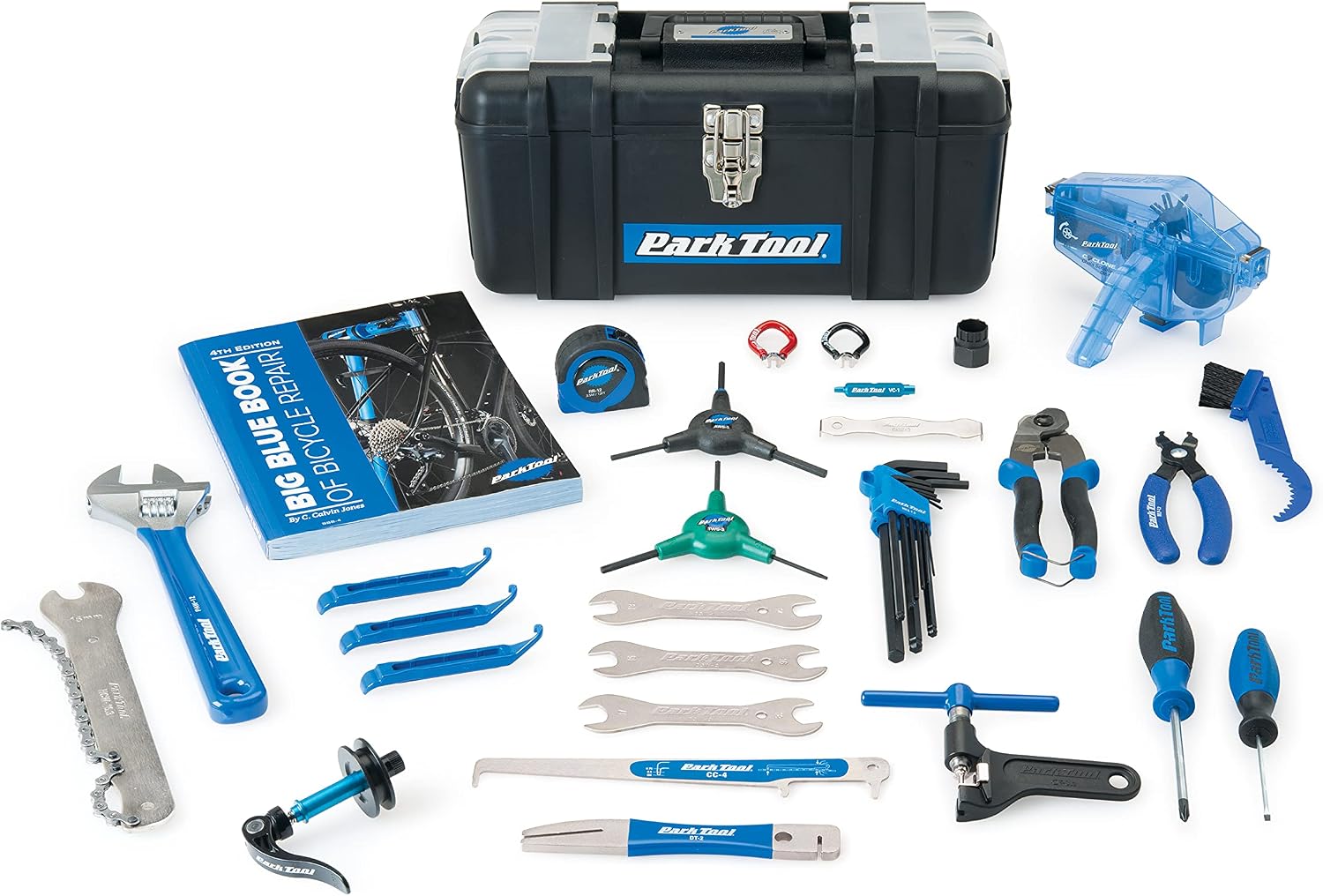
Park Tool AK-5 - Advanced Mechanic Tool Kit
The tool kit is the one purchase that lowers the cost of every repair after it, and Park Tool's catalog is built around parts that get serviced rather than replaced
Read the contents list before you buy; a kit is only a bargain if the pieces inside match the work you'll actually do
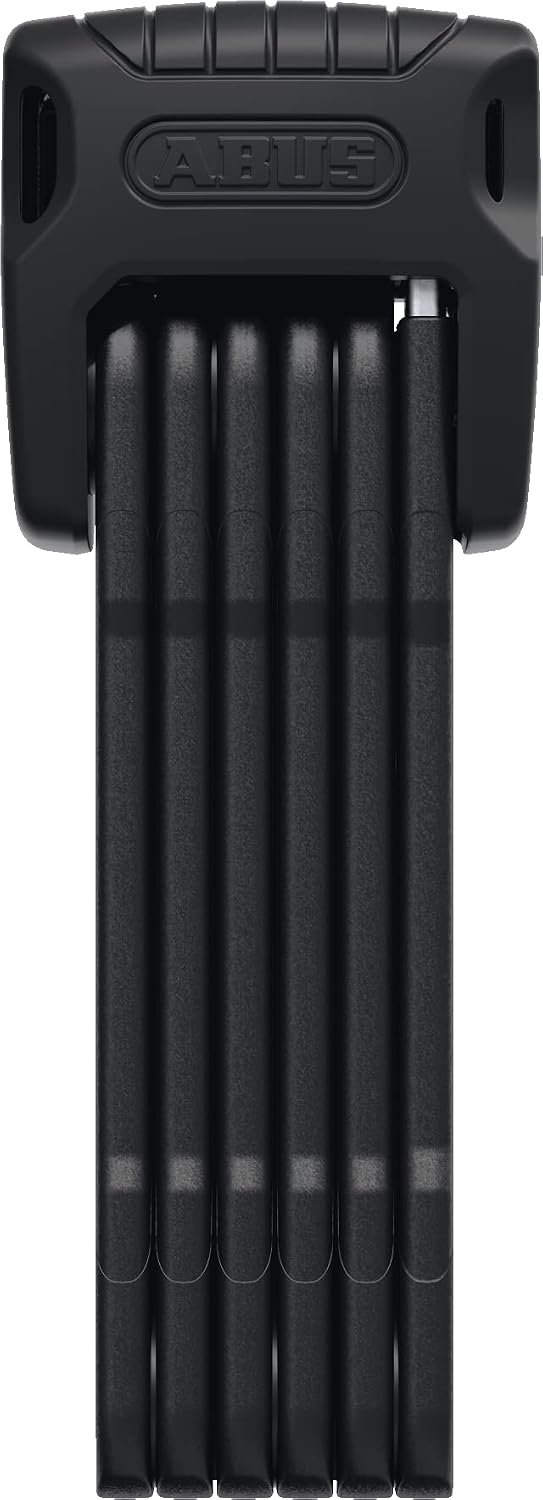
ABUS Bordo Granit 6500K Folding Lock with SH Lock Holder
Security Level 15 with the XPlus cylinder, plus a frame-mounted holder that means the lock travels with you instead of staying home
Folding locks are errand-grade, not overnight-grade; hinge pins are the failure point and bolt cutters know where to look
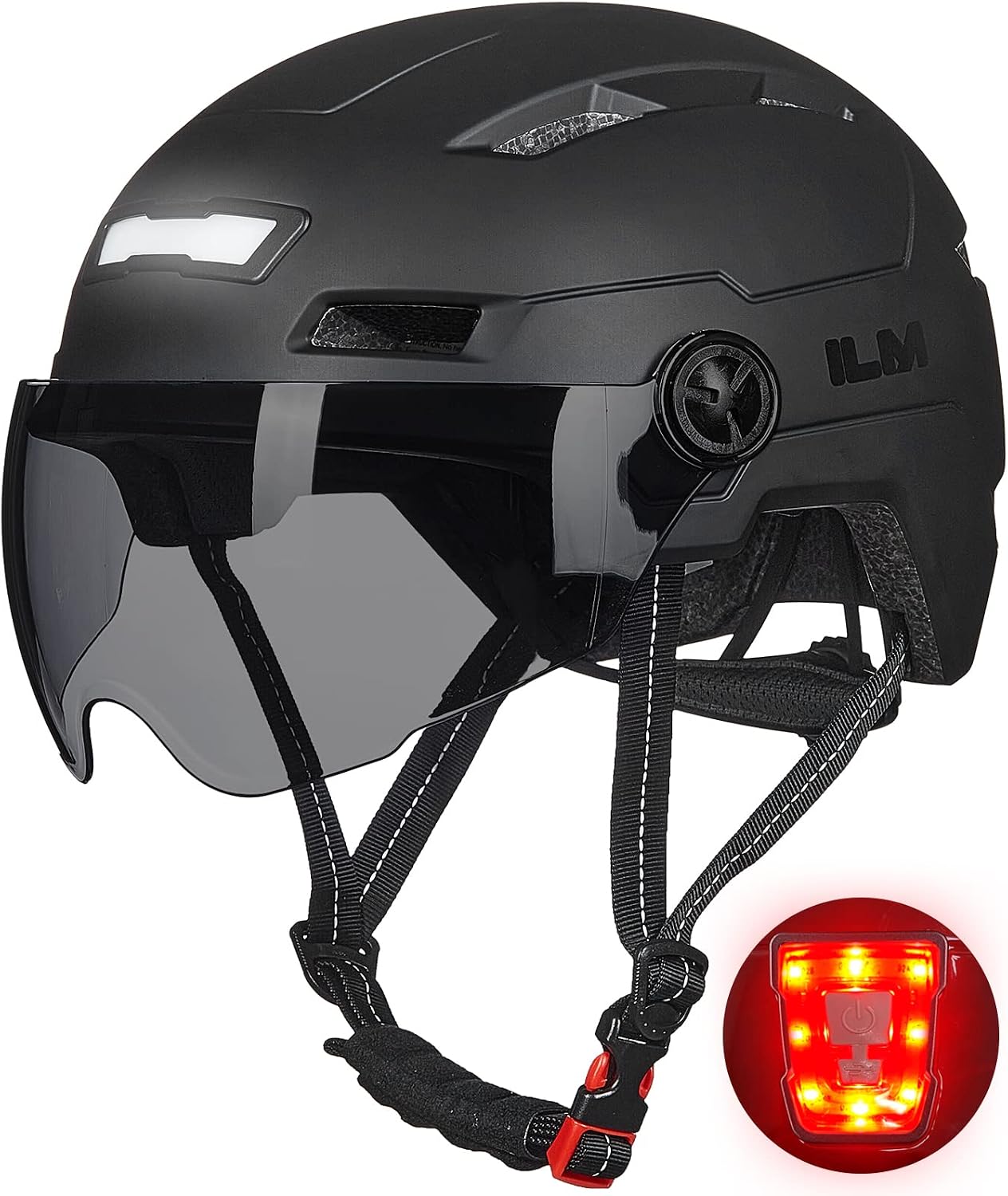
ILM Adult Bike Helmet with LED Front Back Light Bicycle Helmets E3-10L
Integrated front and rear LEDs put light where drivers are already looking, without a separate mount or a second battery to charge
Battery design decides this helmet's lifespan; a sealed, non-replaceable light gives the product an expiration date
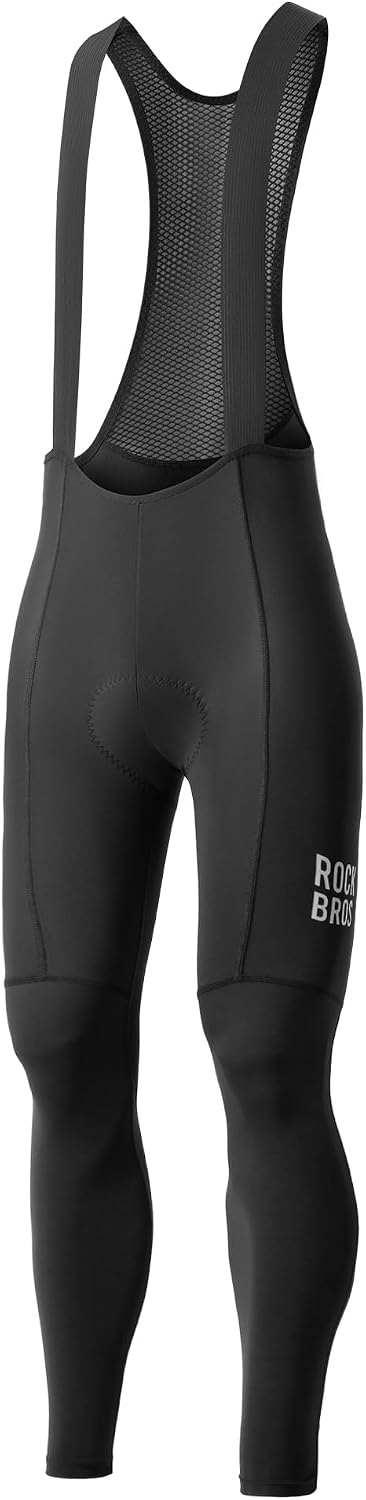
ROCKBROS Men's Cycling Bib Shorts with 3D Pad
A 3D pad and bib construction at a price that doesn't punish riders who are still figuring out their weekly mileage
Pads and stitching are the first things to go on any budget short, so the honest wear test starts at 100 km, not at checkout
Prices and availability were captured from Amazon Creators API and may change.
How I judged these four
Every customer complaint that comes through my door is a measurement problem. The saddle hurts because nobody measured sit bones. The light is dim because the box said 1,800 lumens and the bucket said something else. The bolt stripped because the tool was the wrong size and the wrist was too confident. So when I line up four products like these, I ask five questions in the same order every time.
Can it be measured? Does the claim survive the first 100 km? What breaks at 5,000 km, and can I buy the spare part? Is the battery replaceable, or does the product come with an expiration date? Does installation cost shop-rate hours I should warn you about?
I'll be straight with you about scope. This piece is a role comparison, not a bench report. I'm not going to hand you invented numbers for gear I haven't measured, and the bucket hasn't seen the ILM helmet. What I can do, and what I do all day, is tell you which job each product does, what the manufacturer actually claims, and where the failure modes live. Where a number doesn't exist, I'll say so. That's a review. Copying the spec sheet is a product page with extra steps.
The Park Tool AK-5: capability you buy once
Here's the thing about tools that took me a decade to accept: cheap tools cost you twice. Once at the register, and once when the bolt strips and you spend a Saturday drilling out a seized seatpost clamp. I have a drawer of the cheap ones I bought first. I keep it as a monument.
The AK-5 is an advanced mechanic kit, and that word "advanced" is doing real work. This isn't a starter pouch with four hex keys and a prayer. It's aimed at the rider who has decided to service their own drivetrain and wants the right tools rather than the approximate ones. Before you buy, read the contents list the way I read a torque spec: slowly, twice, out loud. A kit is only a bargain if the pieces inside match the work you're actually going to do. If your bikes are all one brand and one generation, you may find you need three pieces out of the box and can buy them individually. If you have a fleet of mismatched bikes in the garage, this is where a kit earns its drawer space.
Two habits come with it. First, torque to spec. Yes, even that one. Especially that one. Second, put the tools back where they belong, because a tool you can't find is a tool you don't own.
The ABUS Bordo Granit 6500K: a lock you'll actually carry
The Bordo Granit 6500K is a folding lock rated Security Level 15, built around ABUS's XPlus cylinder for tamper resistance, 90 cm long, and it ships with the SH lock holder so it rides on the frame instead of in a backpack you'll stop bringing.
That holder matters more than any spec on the page. The best lock in the world is the cable lock you left in the garage. A frame-mounted folding lock that unfolds in one motion gets used at every coffee stop and every grocery run, and that consistency is worth more than a heavier chain that stays home.
Now the honest part, because I've cut locks in my parking lot for customers and I know where the weak points are. Folding locks are errand-grade, not overnight-grade. The pins in the hinges are the failure point, and bolt cutters know exactly where to look. If your bike lives outside overnight in a city, this is not the tool for that job, and no amount of Security Level 15 changes the geometry.
Where the ABUS wins is the middle of the market. It's meaningfully more secure than the cable lock it's replacing, the XPlus cylinder resists the picking and drilling that kills cheap locks, and the 90 cm length lets you reach a proper rack post rather than a wheel-bender you're embarrassed to use. Buy it for the rides where you lock up and come back. Buy something else for the overnight case.
The ILM helmet with LED lights: visibility as a feature
The ILM E3-10L puts LEDs on the front and the back of an adult bike helmet. On its own that sounds like a gimmick. In practice, it's a real answer to a real problem, which is that a lot of my customers ride at dawn and dusk, and a helmet is already on their head at exactly the height where drivers are looking.
Two things I'd verify before ordering. First, fit and retention: a helmet that doesn't sit level and snug isn't protecting you, and every brand's size chart runs differently. Measure your head circumference with a tape, then buy the size that matches the number, not the size you've always worn. Second, and this is the one that decides whether the helmet ages well, the light's battery. If the light charges and the cells can be replaced, the helmet has a long life. If the light is sealed into the shell, the helmet has an expiration date, and the expiration date belongs to the manufacturer, not to you. I've written that complaint about sealed lights a hundred times. Ask the question before you buy, not after the light stops holding a charge with 90% of the shell still perfectly good.
And keep your expectations calibrated. Integrated LEDs make you visible. They don't light the road and they don't replace a real taillight at speed. Visibility is the job. Buy it for that job and it earns its place on every ride.
The ROCKBROS bib shorts: the pad is the product
Bib shorts are the one item here where the cheap version is not a smaller version of the good version. It's a different product with a different failure timeline. The ROCKBROS bibs use a 3D pad, and the pad is the whole story. Everything else, the straps, the leg grippers, the fabric, exists to hold the pad in the right place while you pedal.
That means the question isn't "are these good shorts." It's "are these the right shorts for your mileage." If you ride 45 minutes to an hour, three times a week, a value pad is genuinely enough, and spending three times as much buys you nothing but a smaller number in your bank account. If you're doing four and five hour days, the pad becomes the part that fails, and it fails quietly, around the three hour mark, in a way that ruins the next two weeks of riding.
Two habits that make any pair last longer. Wash them after every ride, because the pad holds what your skin sheds, and skip the fabric softener, because it coats the fibers that are supposed to move moisture. And measure your position before you blame the shorts: if your saddle is the wrong width for your sit bones, no pad on earth will fix the pressure, and you'll return a perfectly good pair of bibs for a fit problem that lives under the saddle.
The trade-offs nobody puts on the box
Four products, four different kinds of compromise, and it's worth naming them plainly.
The tool kit trades money now for money later, and it only pays out if you actually do the work. Riders who buy tools and then take every job to the shop have bought a drawer, not a capability.
The folding lock trades maximum security for the security you'll actually carry. That's usually the right trade for a rider who locks up for an hour at a time, and the wrong trade for a rider who parks outside overnight. I'd rather you know which rider you are than trust a number on a package.
The lit helmet trades minimalism for visibility, and it invites you to check one spec, the battery, before you commit. The lights are the feature. The battery is the lifespan.
The bib shorts trade longevity for price at the low end of the market, and how much that matters depends entirely on how long you sit in them.
None of these are verdicts about good and bad. They're verdicts about jobs.
What I'd buy first, and what I'd wait on
If I were spending my own money in this order, it would go like this. Tool kit first, because it converts every future repair from a bill into an evening. A lock second, because a stolen bike resets every other purchase to zero. A helmet third, because the one you already own works until it doesn't, and a crash is the day you find out. Bib shorts last, because they're the item you can buy correctly once you know your mileage and your saddle width, and buying them before you know either is how people end up with three pairs they don't wear.
What I'd wait on is the upgrade. A bike that's been maintained is faster than a bike that's been upgraded, and that sentence has saved my customers more money than any sale I've ever run. Buy the tools, secure the bike, protect the head, then make the contact points comfortable. Everything after that is a want, and wants are allowed on this list. They just don't come first.