I have one rule about cycling helmets and bike lights: if I can measure it, I write the number down, and if I cannot measure it, I say so out loud. That habit came from twelve years behind a shop bench, five of them as service manager, and it is the reason I get twitchy around any gear page that reads like the brand wrote it. This comparison puts two adult helmets, one rechargeable front and rear light set, and a pair of padded bib shorts side by side, and it tells you which of them earns a permanent spot on the bike and which one earns a shrug.
Most people who walk into my bay with a new helmet and a new light set bought them the same way: the helmet matched the bike, and the light had the biggest number printed on the box. Then they ride for a season, the visor rattles, the strap stretches, the light dies in a drizzle, and they come back and ask me what they should have bought. This is the answer I give them, written down so I can stop repeating it.
Related: Bike Lights for Night Riding: What Actually Matters
The short version: the Retrospec Lennon is the helmet I would hand most commuters because the integrated rear light does a job a separate light usually forgets, the Findway is the cleaner pick for a rider who already runs a light, the Cuvccn light set is the value answer for a beater or a second bike, and the ROCKBROS bib shorts are the one item here I would put on my own body for a long day. That is the verdict. The reasoning is below, including the parts where I am honest about what a product page cannot tell you.
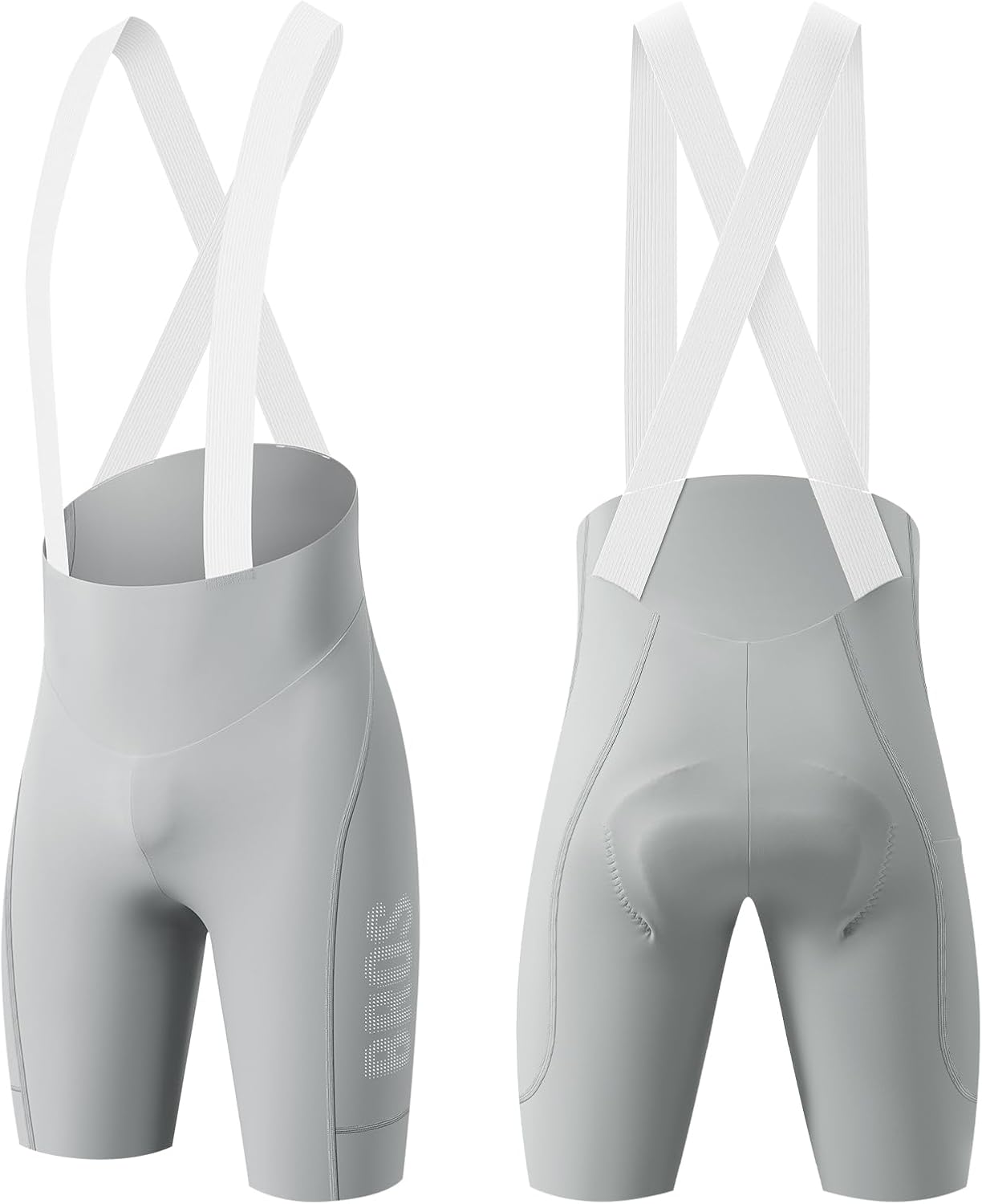
ROCKBROS Men's Cycling Bib Shorts with 3D Printed Pad
The only piece here that solves a problem the others cannot: contact time in the saddle
Pad shape and strap length are personal, and a bad fit cannot be adjusted out
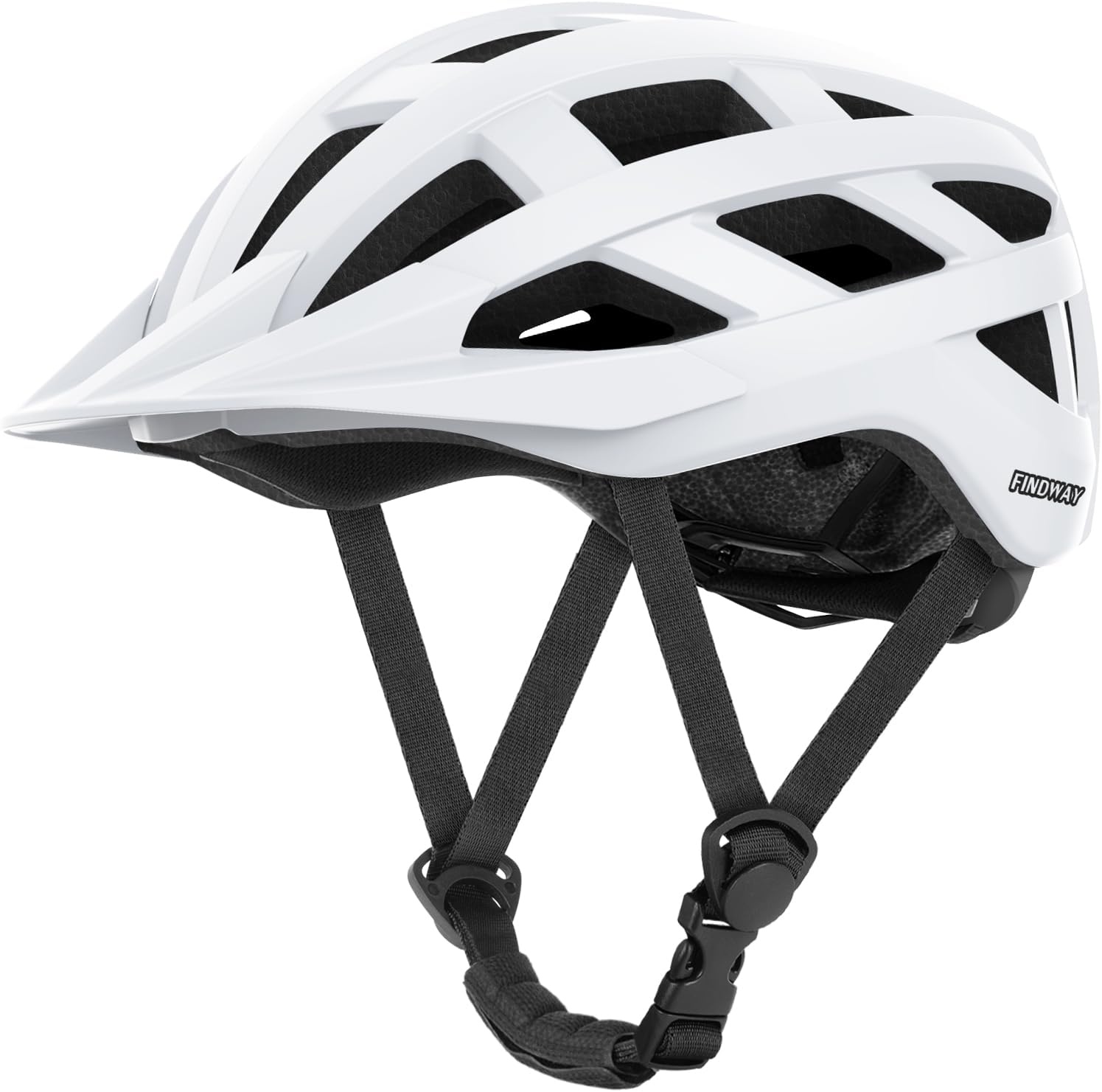
Findway Adult Bike Helmet
Adjustable dial, removable visor, and interior padding you can actually live with
No integrated light, so it needs a rear light on day one
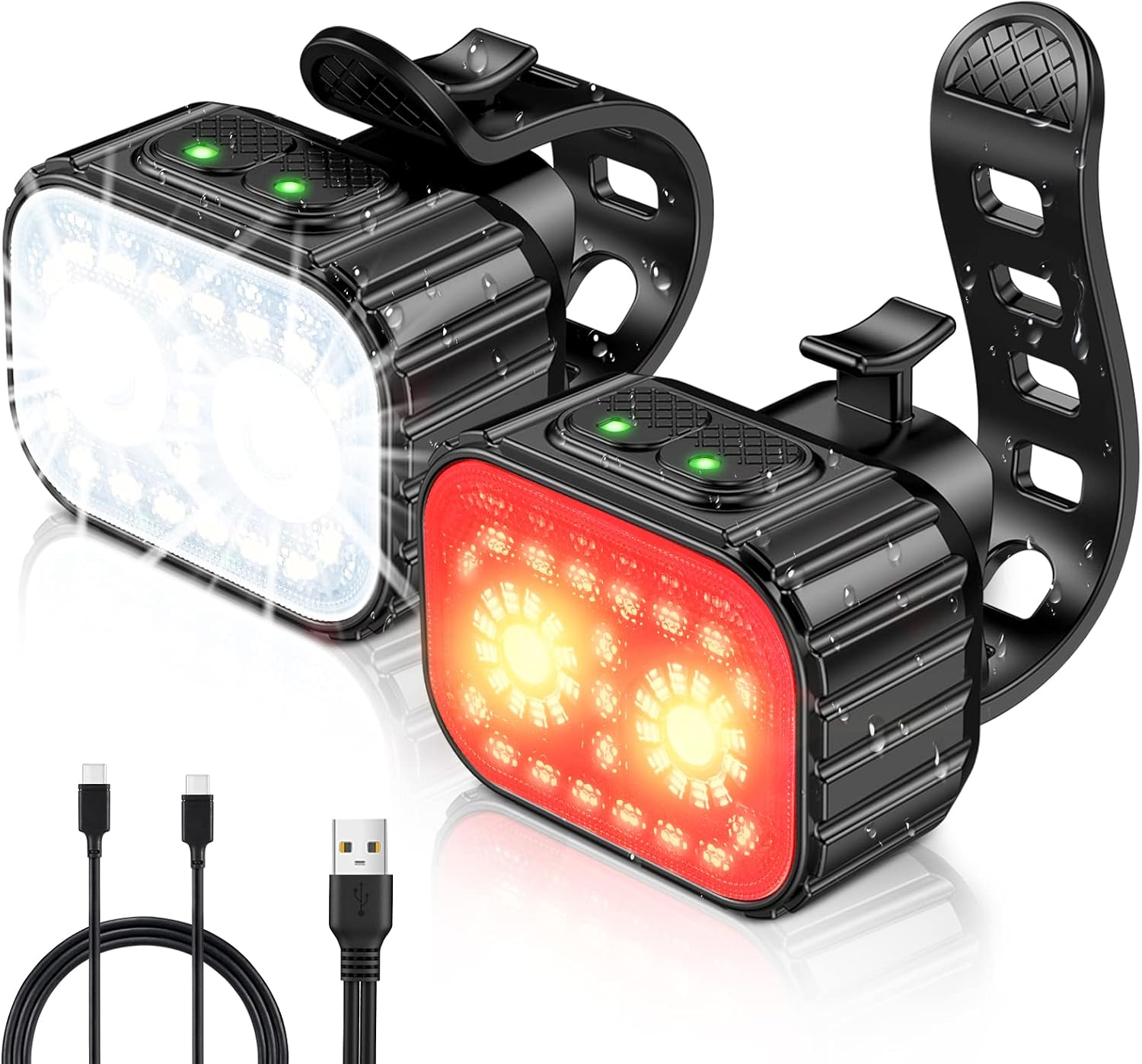
Cuvccn Bike Lights Super Bright, Rechargeable Bicycle Lights Set
Front and rear in one box, rechargeable, multiple modes, waterproof claim
Lumen marketing is where budget lights always oversell
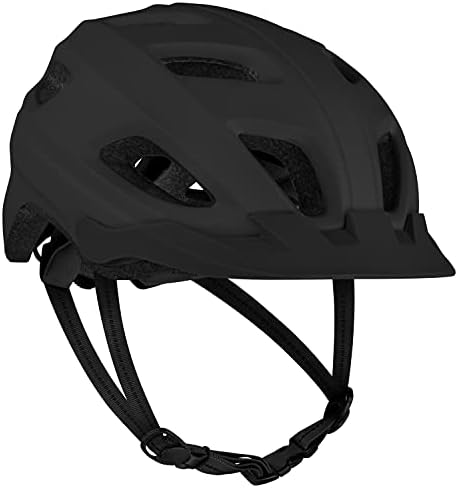
Retrospec Lennon Adult Bike Helmet with LED Safety Light
Built-in LED safety light, adjustable dial, removable visor, one purchase covers two jobs
The light is a visibility aid, not a substitute for a real taillight
Prices and availability were captured from Amazon Creators API and may change.
How I judge gear like this
I am not going to pretend I have run these four products through a season of testing, because I have not, and a review that invents mileage is a product page with extra steps. What I can do is tell you the criteria I use before anything earns a recommendation in my shop, and then show you how each product lines up against them.
For a helmet, the criteria are fit adjustment range, how the retention dial feels under load, whether the padding is replaceable, and whether the visor comes off without a tool. Fit is the only safety feature you control. A helmet that sits too high or rocks side to side is not protecting the part of your head that hits first.
For a light, the criteria are the ones the box never tells you: does the mount survive being tightened, is the battery replaceable or does the light have an expiration date, and does the beam pattern put light on the road instead of into the eyes of oncoming traffic. Lumen claims are the last thing I care about, because they are the easiest thing to inflate. When I test a light properly, it goes in the bucket, my five-gallon integrating sphere with a lux meter and a flat white interior, and the bucket gives me a real number. Until then, I treat every printed figure as a suggestion.
For shorts, the criteria are pad density, strap tension, and whether the seams sit where your leg actually moves. That is a wear test, not a spec sheet, and it is the one category where you find out at kilometer 300 whether you chose well.
The two helmets, and why the small light matters
The Retrospec Lennon and the Findway are chasing the same rider from two directions, and the difference comes down to whether you want your helmet to also be a rear light.
The Retrospec Lennon carries an LED safety light built into the shell, along with an adjustable dial and a removable visor. That integrated light is a bigger deal than it sounds. A surprising number of riders I see at the Tuesday worlds group ride run a bright front light and then nothing at the back, because they forgot, or the taillight battery died, or the mount walked off. A helmet light is the one piece of rear visibility that is physically attached to your head and impossible to leave on the kitchen counter. On a commuter or a rider who trains early before work, that alone justifies the choice.
The Findway Adult Bike Helmet takes the same core layout, an adjustable dial, a removable visor, adjustable straps, and interior padding, and leaves the light out. That is not a flaw, it is a different priority. If you already run a serious rear light or a radar taillight, you do not want a second, weaker light competing for your attention and your charging cable. What you want is a shell that fits, a dial you can tighten with one hand at a stoplight, and padding that does not turn into a sponge by August. The Findway is the more conventional helmet of the two, and for riders with a lighting system already sorted, conventional is correct.
Both helmets give you the adjustable dial, and that is the feature I would not compromise on. A dial lets you tune the fit with gloves on and re-tighten mid-ride when the padding packs down, which it always does. A helmet that only offers strap adjustment is a helmet you fight with for its entire service life.
The light set: what a box claim can and cannot tell you
The Cuvccn light set arrives as a package deal: a front light, a rear light, multiple modes, a rechargeable battery, and a waterproof claim, all in one box. If you are lighting up a commuter, a second bike, or a bike you keep at a family member's house, buying front and rear together is the sensible move, because the failure mode I see most often is not a dead light, it is a mismatched pair where one half went missing.
What the box cannot tell you is the two things that decide whether a budget light set is worth keeping. The first is whether the mount survives. Light brackets are the part that fails, and they fail because they are plastic, and they strip because someone tightened them past the point where plastic gives up. When a light set comes with a mount that feels like it has some meat to it, that is a better signal than any lumen number. The second is the battery. A rechargeable light with a sealed, non-replaceable cell has an expiration date, and the schedule belongs to the manufacturer, not to you. That is not automatically a dealbreaker under a certain price, but you should know you are buying a consumable.
The waterproof claim deserves a specific kind of skepticism. Every light I have ever opened has claimed water resistance, and the ones that die do it in a drizzle, not in a downpour, because water finds the charging port cover. Check that the port cover seats firmly before you trust the claim. This is a value set for a bike that needs to be seen, and at that job it makes sense. If you ride unlit roads at speed, you want a beam you have verified, not a beam you have read about.
The bib shorts: the one item that has to fit
The ROCKBROS bib shorts with the 3D printed pad are the outlier in this group, because everything else here is about visibility and protection, and shorts are about comfort over distance. They are also the item most likely to be bought wrong, because a helmet can be adjusted and a light can be moved, but a pad either sits where your sit bones need it or it does not.
Here is the honest version: pad shape is geometry, and geometry matches some bodies and not others. The 3D printed pad in these shorts is the modern approach, a structured, multi-density pad rather than a slab of foam, and that construction generally holds its shape longer than a basic pad does. What I cannot tell you from a listing is whether the pad width matches your pelvis, because that is a measurement, and the only way to get it is a foam pad and a tape measure, or a long ride and an honest opinion.
The bib straps matter nearly as much as the pad. Straps that are too short pull the pad forward, straps that are too long let it shift, and either way you spend the ride adjusting instead of riding. Bibs beat waist shorts for exactly this reason: nothing to roll down, nothing to dig in at the waist, the pad stays where you put it. If you are moving up from unpadded shorts or a cheap waist short, this is the category where the upgrade is felt immediately rather than eventually.
The trade-offs the table flattens
A comparison table makes everything look like a straight line, and this group is not a straight line.
The first trade-off is coverage versus budget. You can solve visibility with the Retrospec helmet's integrated light, or with the Cuvccn set, or with both, and both is genuinely better if you ride in traffic at dusk. Rear visibility is the cheapest safety upgrade on a bike and the one people skip.
The second is adjustability versus simplicity. The Findway and the Retrospec both give you a dial, which means both can be made to fit a wide range of heads. That adjustability is worth more than any shell feature, because a helmet that fits correctly is the only helmet that works.
The third is that the bib shorts answer a question the rest of the list does not ask. You can ride a mediocre helmet on a short commute and barely notice. You cannot ride a bad pad for four hours and forget it. If your rides are under an hour, the shorts are a lower priority than lights and fit. If your rides are long, the shorts are the first thing I would fix.
What I would buy, in what order
If I were kitting out a rider from scratch with this list, the order would be fit first, visibility second, comfort third.
Start with whichever helmet matches your lighting plan: the Retrospec Lennon if you want the rear light built in and one less thing to charge and remember, the Findway if you already run a taillight you trust. Then add the Cuvccn set if your bike has no lights at all, and verify the mount and the port cover before you rely on it. Then, if your rides are getting longer than an hour, add the ROCKBROS bibs and give the pad a fair chance over several rides before you decide, because pads break in slightly and opinions formed at kilometer five are worthless.
None of these four products needs a mechanic to install, which is a point in their favor. Torque to spec still applies to anything with a bolt, and the light mounts are exactly the kind of small plastic fastener that people overtighten until it cracks and then blame the light. Snug, not heroic.
What I am watching next
Winter is measurement season in my shop. The integrating sphere is getting a proper baffle, and the light lineup for the coming season goes through it one at a time, because the gap between the number on the box and the number in the bucket is the only review that matters. Helmets go on the stand for padding and dial inspection. Pads get a long, boring, honest wear test. If a product cannot survive the first hundred kilometers, it does not deserve a recommendation, and if it survives ten thousand, it has earned one. That is the whole method, and it is the reason this page reads the way it does.