I have spent the better part of twenty years around a repair stand, twelve of them as a mechanic and the last few running a one-bay shop of my own, and the same scene plays out every spring. Someone walks in with cycling helmets and bike lights they bought in a hurry last fall, and they are back buying the same two categories again because the first round did not survive a season. The helmet was the wrong shape. The light was a lumen claim with a battery attached. The gloves were the right size on the tag and the wrong size on the hand.
This comparison is my attempt to keep you out of that line. Four products, one table, and the checks I would run before any of them earns a place on a bike.
The short answer: the two Giro MIPS II helmets are the safest picks in this group, and the choice between them is a fit question rather than a spec question. The 1200LM light set is the value play if you verify the beam pattern and the battery. The KEMIMOTO tactical gloves are the specialist pick, best for cold mornings, gravel, and anything where your knuckles are exposed to more than air.
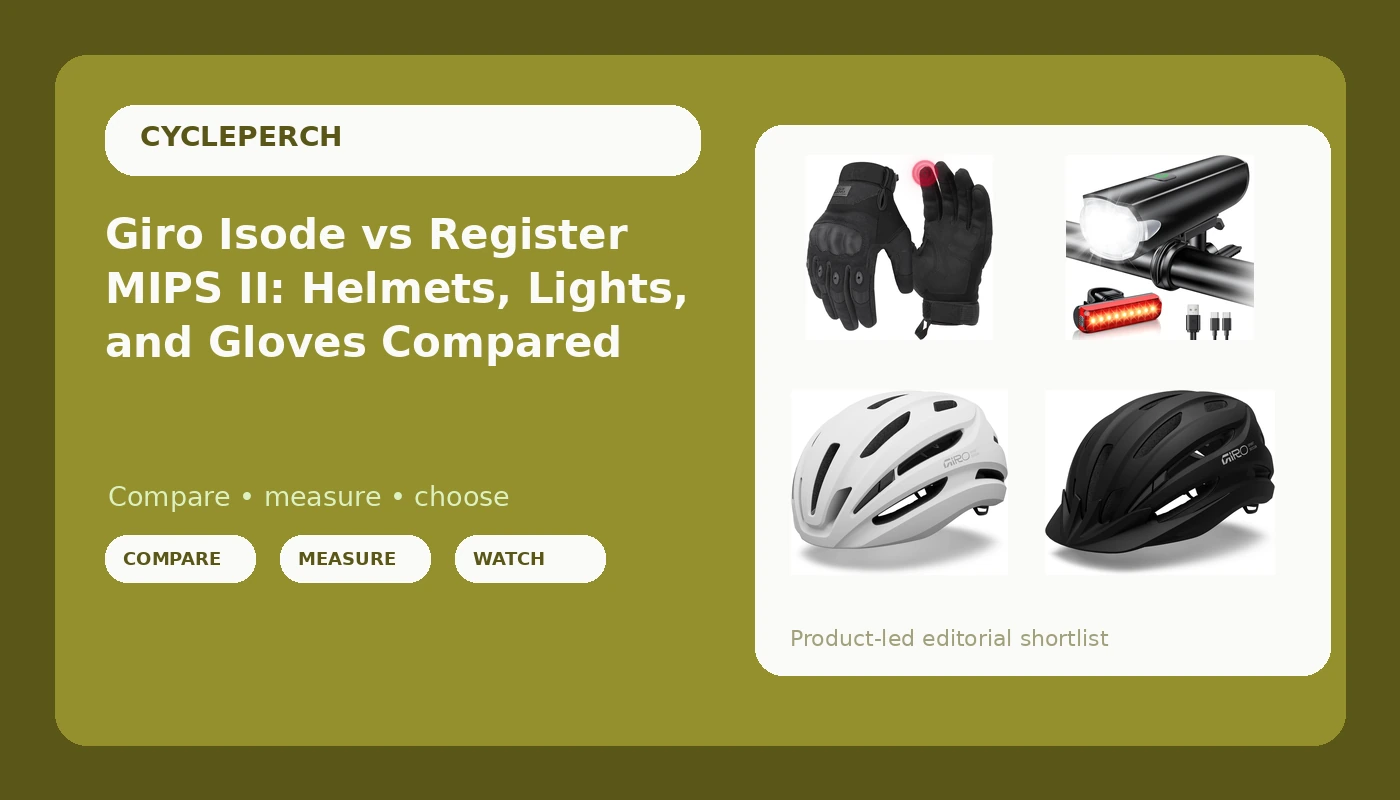
KEMIMOTO Tactical Gloves for Men, Touchscreen Motorcycle Gloves with Hard Shell & Palm Padding for Sports Motorcycle Cycling Tactical Airsoft Paintball Hunting Hiking Camping Climbing
Full-finger coverage with a hard shell over the knuckles, palm padding, and touchscreen-friendly fingertips, which is more protection than most gloves sold as cycling gloves offer
It is a multi-sport glove first, so the cut and the shell are built for motorcycle, airsoft, and paintball duty too, and that is more bulk than a road rider wants on the bars
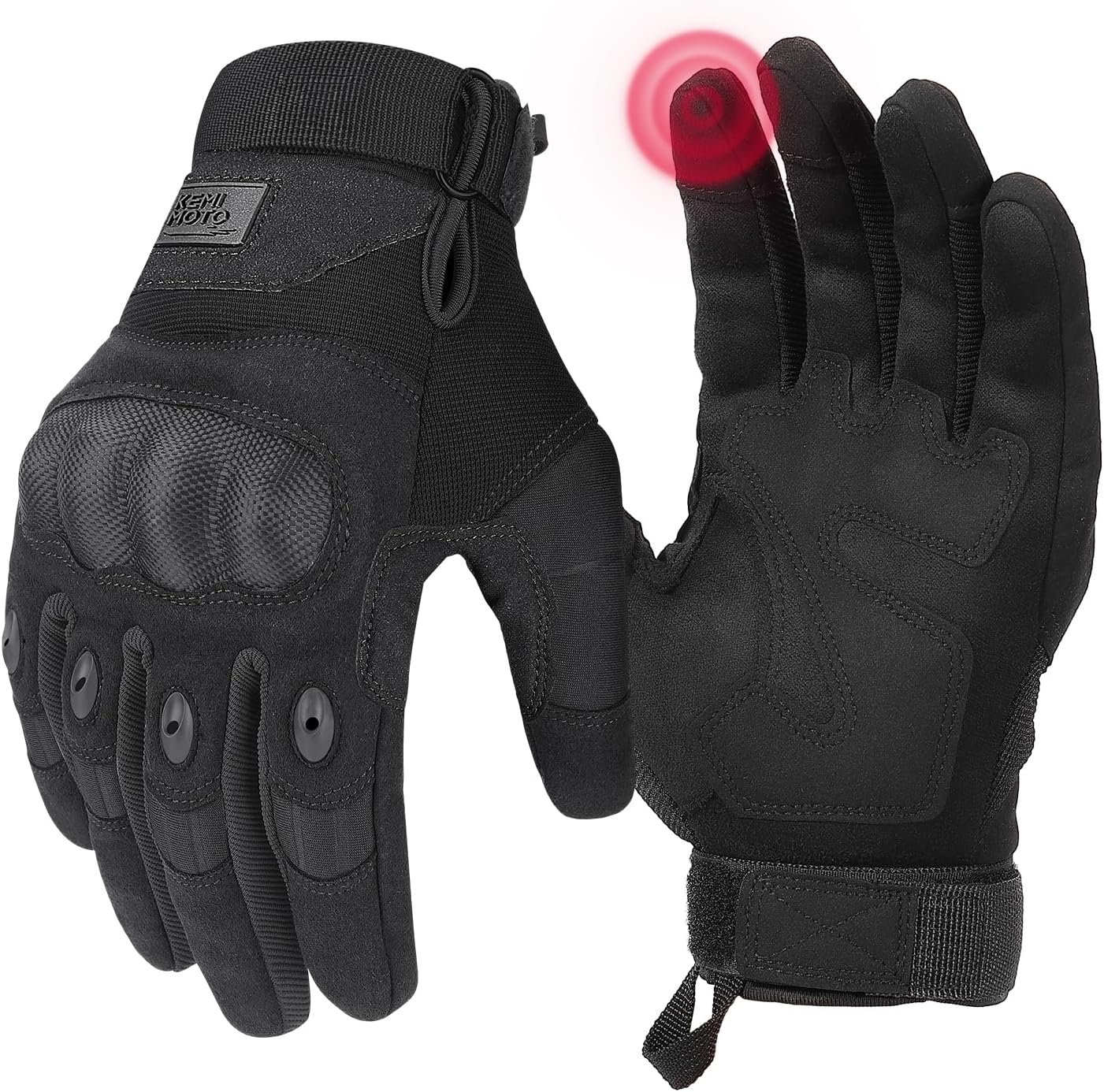
2026 New 1200LM Wide Angle Bike Lights for Night Riding, 3+5 Modes & IP65 Waterproof Bicycle Lights Front and Rear, Long-Lasting USB Rechargeable for Men Women Kids Bike Accessories
Front and rear in one box, a wide-angle beam pattern that is the right shape for being seen and for seeing, a 3+5 mode layout, an IP65 rating, and USB charging instead of coin cells
1200LM is a claim, not a measurement, and any built-in battery gives the light an expiration date that the box will not mention
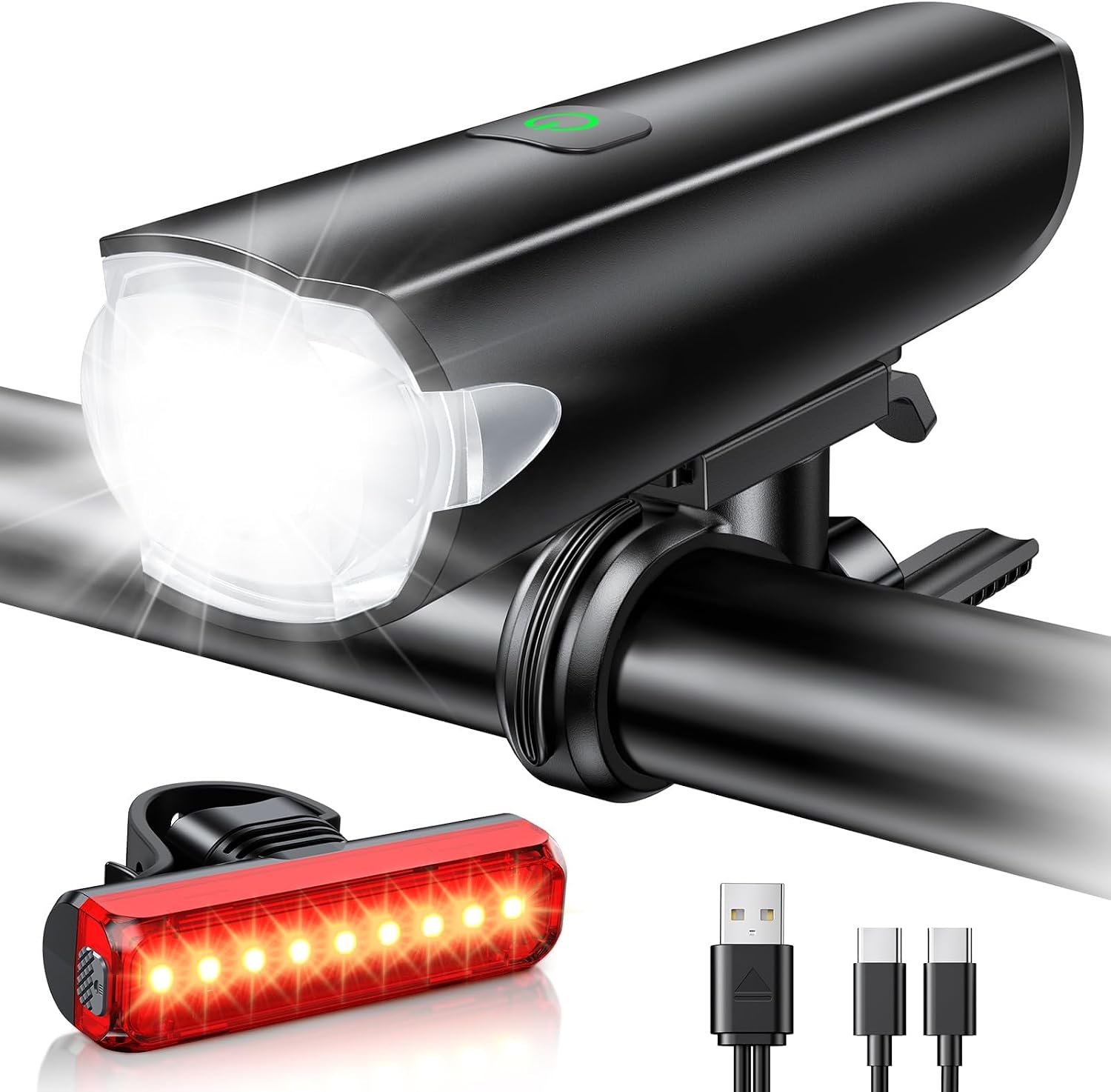
Giro Isode MIPS II Cycling Helmet
MIPS rotational protection in a helmet you can walk into a shop and try on, which is the only helmet test that actually matters
The Isode fit is not the Register fit, and no product page can tell you which of the two your head wants
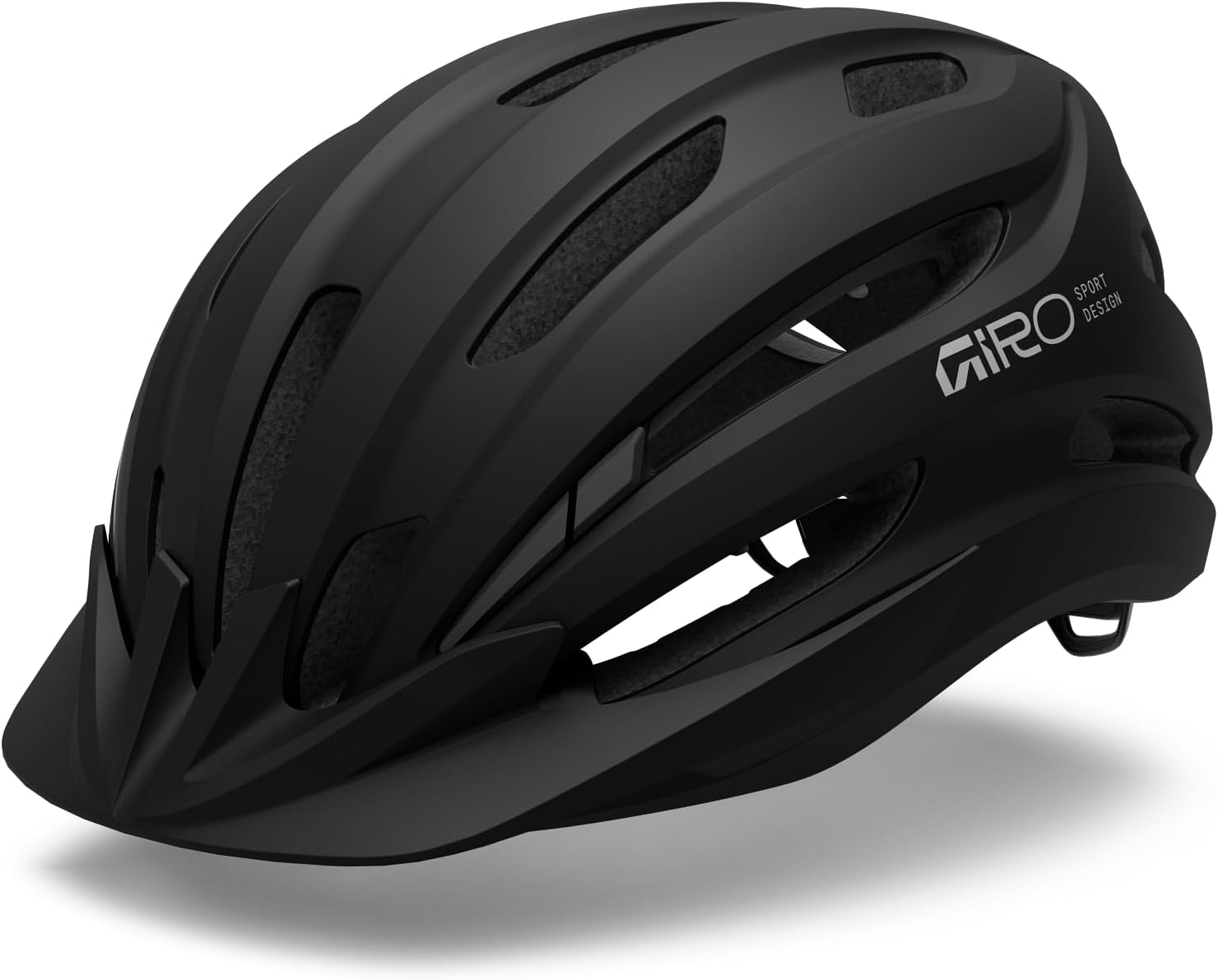
Giro Register MIPS II Helmet
The same MIPS story from the same brand, which keeps the decision where it belongs, on fit and on the pads you can actually replace
Same limitation, and the second-generation name still does not tell you whether the shell shape suits your skull
Prices and availability were captured from Amazon Creators API and may change.
How I compare gear before I recommend it
I have a rule in the shop: no recommendation without either 500 km on the product or 100 cycles of the mechanism. That rule is why this article is organized the way it is. I am not going to invent a test I did not run, and I am not going to repeat a spec sheet back at you with different adjectives. A review that copies the box is a product page with extra steps.
What I can do is tell you which claims in these four product names are worth trusting, which ones need verifying, and what a shop actually sees fail.
Three tools do most of the work. The bucket is an integrating sphere I built out of a five-gallon pail, flat white interior paint, a hole saw, and a cheap lux meter, and it exists because the number printed on the box and the number coming out the front of a light are two different numbers. The loop is a 16.2-mile course I measured with a survey wheel, so every distance claim gets compared against something that does not have an opinion. The foam pad is how I measure sit bones before I fit anyone, and the torque wrench is how I install anything at all, because "hand tight" is how expensive things get loose.
None of those tools care about marketing. That is the entire point of them.
The two Giro helmets: MIPS II tells you one thing, not everything
MIPS is a rotational-impact system, and seeing it in a product name is genuinely good news. It means the helmet was designed with the sliding-plane idea built in rather than bolted on as an afterthought. Both the Giro Isode MIPS II and the Giro Register MIPS II carry it, and that is where the shared story ends.
Here is the part a spec sheet will never tell you. Two helmets from the same brand, in the same family, with the same safety technology, can fit two completely different heads. Shell shape, retention cradle geometry, and padding thickness do more to determine whether a helmet protects you than any label does, because a helmet that sits too high or rocks side to side is a helmet that is not where it needs to be when you need it.
So the honest comparison between these two comes down to questions you should answer in person:
- Does the shell sit level, about a finger's width above your eyebrows, without you fighting it into place?
- Can you tighten the retention dial until the helmet moves with your scalp when you shake your head, rather than against it?
- Do the straps meet in a clean V under your ear without a twist, and does the buckle land where it does not dig into your jaw?
- Does the back of the shell clear the base of your skull when you tip your chin down?
Whichever Giro passes those four checks is the one to buy. If neither does, no amount of MIPS in the name will save you, and the right answer is a different brand in a different shape.
The other question I ask at the counter is whether I can buy replacement pads. Pads are the first thing to go on any helmet, they are the reason a helmet starts to smell like a gym bag by August, and a brand that sells them separately is a brand that expects you to keep the helmet more than one season. Ask before you buy, and if the answer is no, factor that into how long the helmet is really going to last.
The 1200LM light set: a claim, a rating, and a battery
The 2026 New 1200LM Wide Angle Bike Lights for Night Riding does several things right just in the way it is described. It is a front and rear set in one box, which is the correct way to sell lights to anyone who commutes, because a front light without a rear light is half a safety system. It has a wide-angle beam pattern, which is the right shape for both being seen and seeing. It carries an IP65 rating. It charges over USB instead of eating coin cells.
Now the caveats, in order of how much they cost you.
1200 lumens is a claim. It is not a lie and it is not a measurement, it is a number on a page, and lumen figures are the single most inflated spec in cycling. My general rule is to treat the box number as an upper bound and assume the honest output sits somewhere below it, with the gap widest at the affordable end of the market. You do not need to own an integrating sphere to shop well. You need to stop comparing lights by their largest number and start comparing them by the mode you will actually ride in.
IP65 is a real rating with a real definition: dust-tight, and protected against water projected from a nozzle. It is not the same as immersion protection, and it is not a promise that the light will survive being submerged in a puddle at the bottom of a descent. What kills cheap lights in my experience is not the housing, it is the charge port cover. If the rubber flap does not seat with a firm press, water gets in there first, and the light dies in a drizzle with a full battery.
USB charging means a built-in cell on almost every light in this category, and a built-in cell gives the light an expiration date. That is not automatically a dealbreaker at this price, but it is a budget line item you should know about on day one rather than on the morning the light quits four kilometers from home. If a light's battery cannot be replaced, the light has a schedule, and the schedule is not yours.
Two more things to check before you commit. First, the mount. Brackets strip, tabs snap, and the hardware is usually what fails before the electronics do, so look at how the light attaches and whether it wobbles when you flex it. Second, runtime on high. Every manufacturer quotes the longest number from the lowest mode. You will ride on high, so that is the number that matters.
The KEMIMOTO gloves: protection you wear, not protection you store
The KEMIMOTO Tactical Gloves for Men are the odd product in this group and the most interesting one, because they are honest about what they are. The name lists motorcycle, cycling, tactical, airsoft, paintball, hunting, hiking, climbing, and camping. That is a glove designed to be competent at a lot of things, and the hard shell over the knuckles plus the palm padding is the reason it can claim all of them.
That versatility is also the trade-off. A glove cut for motorcycle bars and airsoft fields is bulkier than a glove cut for a road bike, and on a long road ride that extra material in the palm is the difference between feeling the bar and gripping a padded tube. If your riding is commuting, gravel, mountain biking, or early spring road miles before the sun is up, the bulk buys you warmth and knuckle protection. If you race criteriums in July, it does not.
The fit rules for gloves are the ones people ignore most often. Measure the circumference of your hand around the widest part of the palm, not the length of your fingers, and compare it against the size chart. A glove that is too large bunches in the palm and gives you blisters exactly where the padding folds. A glove that is too small presses the shell into your knuckles and goes numb on a descent. Both failures feel like the glove is fine for the first ten minutes.
Then check the details. The touchscreen fingertip is a feature worth testing with your own phone before you trust it, because the conductive material is usually the first part of a glove to wear out. The closure at the wrist is the second, so look at the stitching there and at the web between your thumb and index finger, which is where every glove I have ever seen fail has failed first. And buy two pairs if you like them, because a glove that fits your hand in October is a glove you will want in February, and sizes disappear.
The trade-offs, spelled out
If you take nothing else from this, take the priority order. A helmet is the only product here that is closer to a medical device than an accessory, so it comes first, and it is the one purchase where fit beats features every single time. Lights come second, because visibility is the thing that keeps you out of the emergency room in the first place, and a rear light is not optional. Gloves come third, and they are the most personal of the three, because the right glove depends entirely on your weather and your terrain.
The verification problem is the second theme. The helmet's claim is fit, and fit cannot be verified on a screen. The light's claim is output, and output is the most inflated number in the sport. The glove's claim is protection, and protection is only real if the glove actually fits, which is why the size chart matters more than the feature list.
The replacement-parts problem is the third. Helmets need pads. Lights need batteries, and most of them do not have replaceable ones. Gloves need stitching that holds at the thumb web. A product you can maintain is a product you keep, and the maintenance question is worth asking before the money leaves your account.
What I would buy in what order
Start with the helmet that fits. Try the Giro Isode MIPS II and the Giro Register MIPS II if you can, and buy the one that passes the four checks above. If you are ordering blind, order the one you can return without a fight.
Then add the 1200LM front and rear light set, charge it fully the day it arrives, time the high mode yourself, and check that the charge port cover seats properly. That takes ten minutes and tells you more than any listing will.
Then, if your mornings are cold or your rides leave the pavement, add the KEMIMOTO tactical gloves. Measure your palm first.
What I am watching next
Winter is measurement season here. I am rebuilding the bucket with a proper baffle and running the new light lineup through it, because a lumen number without a measurement is just a sentence. The light set in this article is on that list. The gloves are going on the Tuesday worlds ride in February, where the temperature does the reviewing for me. And the helmets will get the same treatment they always get in the shop: on a customer's head, on a stand, with a torque wrench nearby for the bolts that hold the whole thing together.
Buy the helmet that fits. Buy the light you will actually charge. Buy the gloves you will actually wear. Everything else is a number on a box, and the box is not going to ride with you.