I have a rule at the bench: a product has to earn its drawer space. If it does not solve a problem I actually have, it goes. Indoor cycling gear gets held to that rule harder than anything else, because the winter setup is where cheap gear falls apart fastest. Four pieces do most of the work: the trainer stand that holds the bike, the saddle you sit on, the shorts between you and the saddle, and the lube that keeps the drivetrain quiet when every mile is indoors. This comparison covers the indoor cycling gear I get asked about most, what each piece is actually for, and where each one gives something up.
The short version: the Alpcour trainer stand decides whether you ride indoors at all, the Ergon SFC3 saddle decides whether you keep riding, and the baleaf shorts and Muc-Off Bio Dry lube are the two cheap items that decide whether those hours are comfortable or just tolerable.
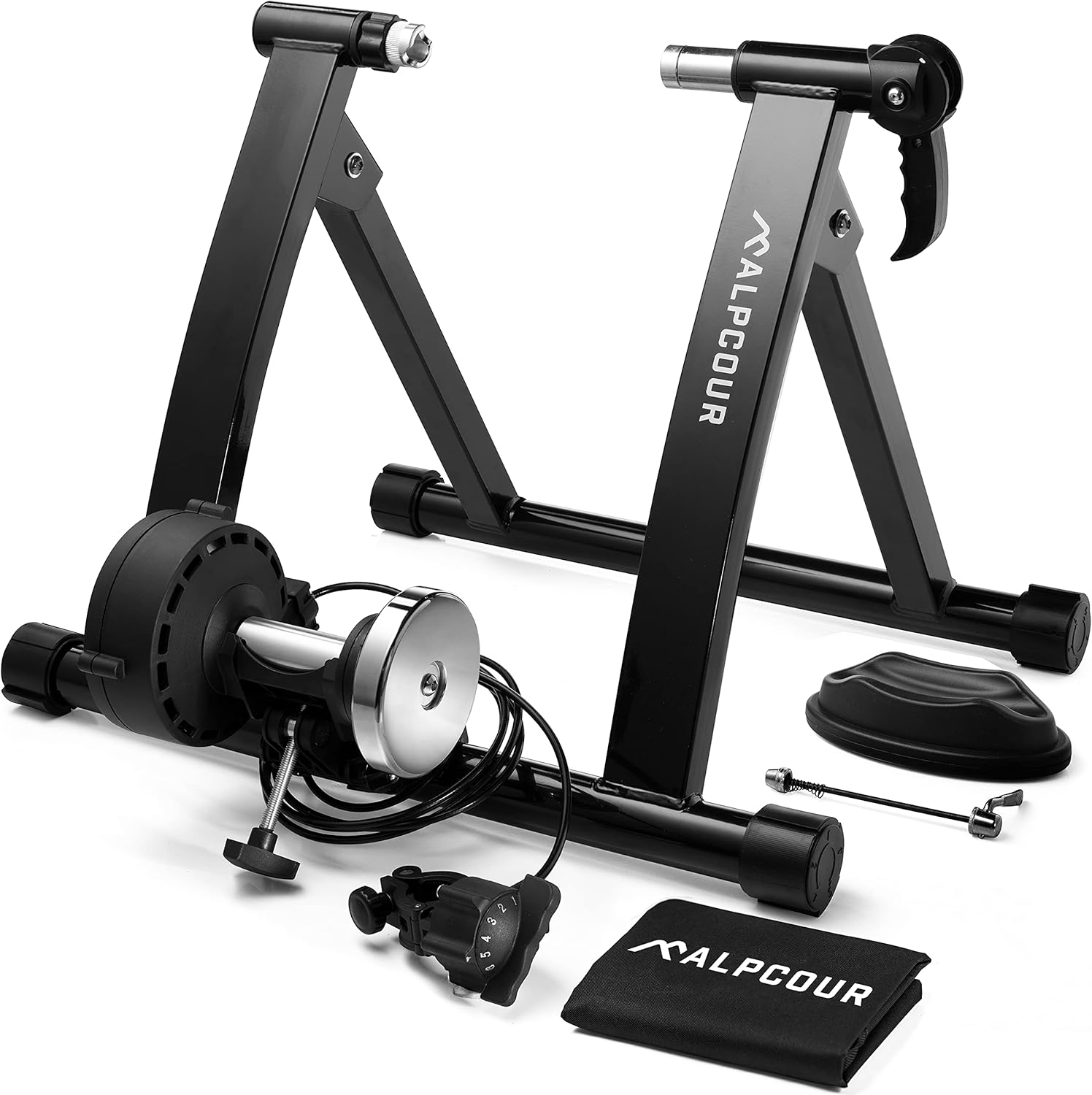
Alpcour Bike Trainer Stand
Turns any bike you already own into a stationary trainer, six resistance settings, folds flat with a carry bag
Wheel-on magnetic design loads the rear tire and can slip under hard efforts; not a direct-drive unit

Ergon SFC3 Fitness Bike Saddle
Orthopedic foam and a pressure relief channel, unisex shape, offered in two sizes so width can be matched
Comfort geometry, not a race shape; sizing still has to be matched to your sit bones to be worth anything
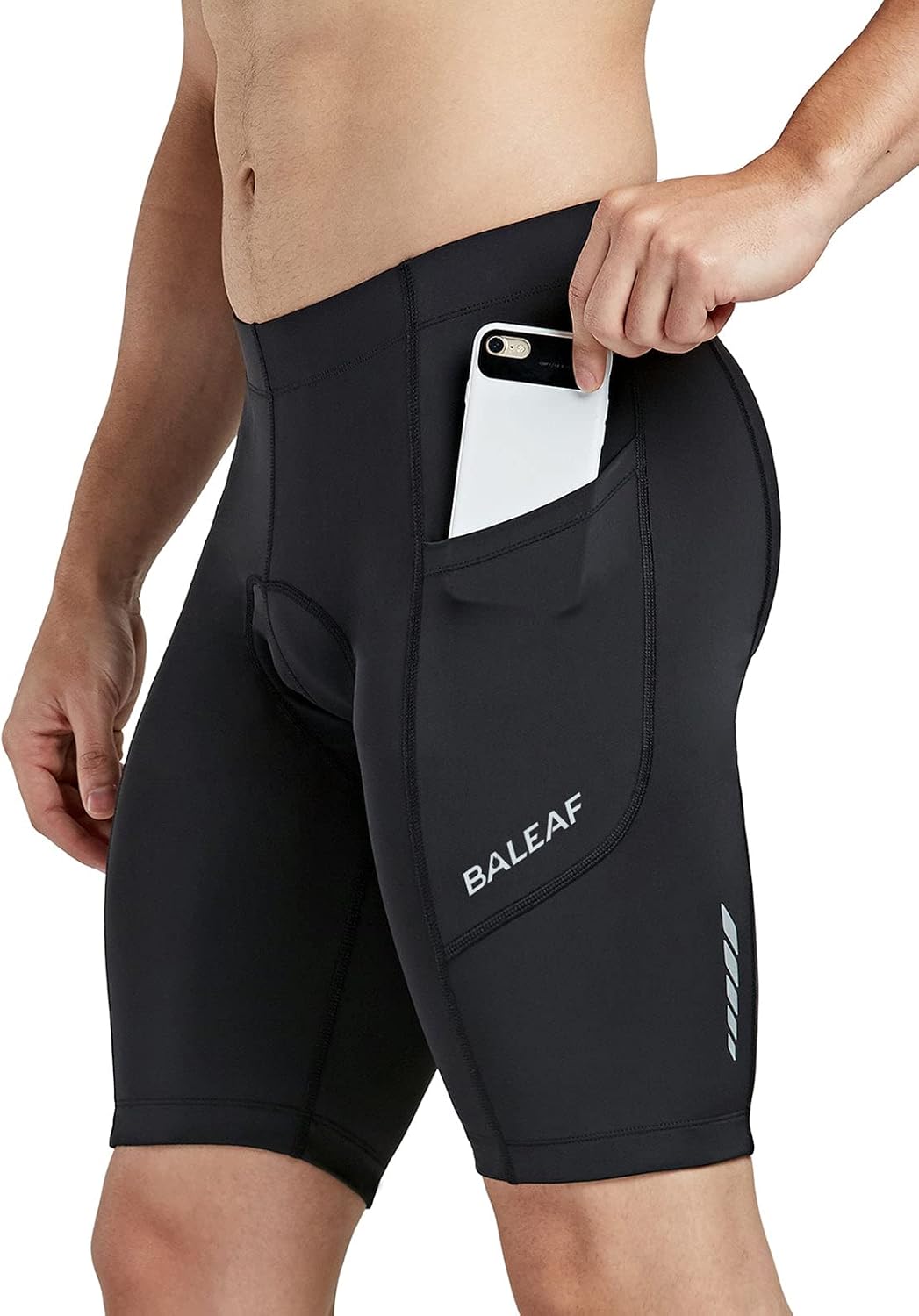
baleaf Men's Padded Bike Shorts
Padded chamois, UPF 50+, pockets, and a price that makes a second pair painless
Entry-level pad density; fine for an hour or two, not the same as a premium bib
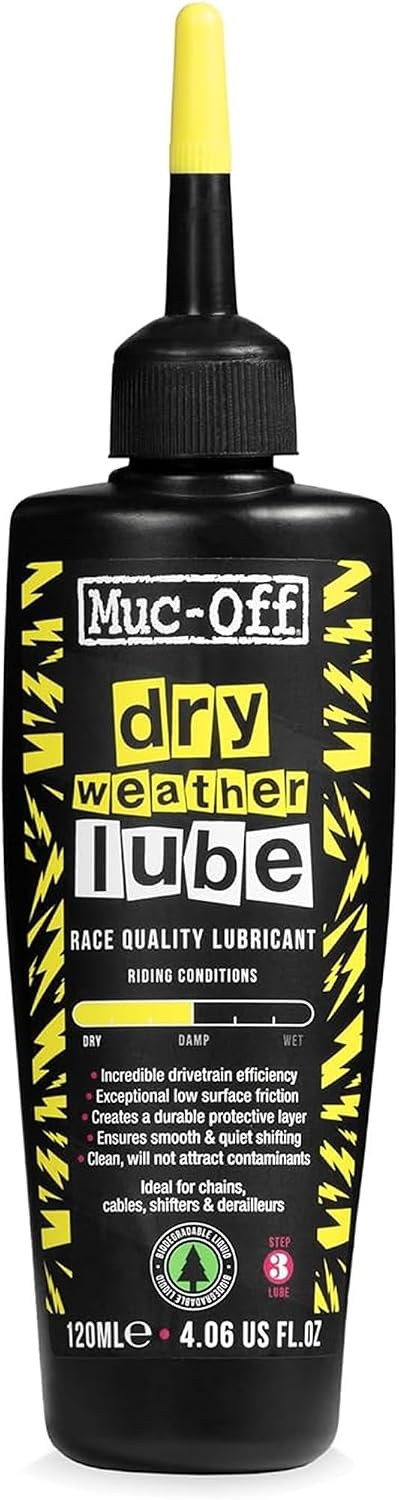
Muc-Off Bio Dry Bike Chain Lube
Dry-weather formula, biodegradable, goes on clean and stays clean, 4.06 fl oz lasts a long season
It is a dry lube, so real rain washes it off; wet weather still wants a wet lube
Prices and availability were captured from Amazon Creators API and may change.
Start with the trainer, because it sets the friction level
Everything about indoor riding lives or dies on setup friction. A trainer that takes ninety seconds to mount is a trainer you will actually use in February. A trainer that takes twenty minutes and a second wheel is a piece of furniture with a bag.
The Alpcour stand is a wheel-on magnetic trainer. Your rear wheel stays on the bike and the roller presses against the tire, which is why it works with a road bike or a mountain bike without swapping cassettes or buying a trainer-specific axle kit. Six resistance settings are changed at the lever, so you can move from a spin to a hard effort without getting off. The frame is stainless steel and folds flat, and it ships with a bag, which matters if your version of indoor cycling is a basement in October and a garage in April.
Here is what I would check before the first ride, and this is the same list I give customers at the counter:
- Your rear tire. A wheel-on trainer eats rear rubber. A dedicated trainer tire or a cheap spare wheel with a worn-out tire on it saves your good rubber for the road.
- Roller tension. Too light and the tire slips under load, too heavy and you chew through the tread and add noise. Sneak up on it.
- Your axle type. Quick-release is the easy case. Thru-axle bikes need the right adapter, and you should confirm that before you order anything.
- The floor. A trainer on a bare wood floor walks, and sweat ruins finishes. A mat solves both.
- Where the resistance lever lands. It should be reachable from the saddle. If you have to stop and dismount to change effort, you will not change effort.
Noise is the other thing people ask about. Magnetic resistance is inherently quieter than a wind trainer, and the company markets noise reduction, but the tire against the roller is still the loudest part of the system. If you live above someone, that is the noise they will hear.
The saddle is a measurement, not a preference
I fit saddles for a living, and I will say the unpopular thing: the brand on the rail matters far less than the width under your sit bones. I measure every customer on a foam pad before I hand them anything, including myself. A saddle that is 20 millimeters too narrow will hurt at kilometer five no matter how much it cost.
The Ergon SFC3 is built for the kind of riding this article is about: hybrid, fitness, and indoor bikes, where you sit more upright and stay seated longer. Orthopedic foam and a pressure relief channel are the two features that matter. The channel is not magic, it is geometry, and it works for the pelvises it matches. The fact that it comes in two sizes is the part I care about most, because it means the width can actually be matched to a measurement instead of guessed at.
Three install notes, because saddles are where I see the most avoidable damage:
- Level it. Start dead level with a spirit level on the nose and tail, then adjust in tiny increments. Nose-down is a crutch that creates new problems in your hands.
- Torque the rail clamp to spec. Saddle rails slip in an under-torqued clamp, and the customer always blames the seatpost. It is almost never the seatpost.
- Give it time. A comfort saddle with a wider shape takes a few rides to settle into. If it hurts in a way that feels sharp rather than new, stop and re-measure.
If your indoor bike is a hybrid or a fitness bike with an upright bar position, this is the shape family that makes sense. If you are chasing a race position on a road bike, this is not the saddle for that job, and no amount of foam will change the geometry.
Padded shorts: the cheapest upgrade in this list
Indoor riding is harder on your contact points than outdoor riding, and it is not close. Outside you coast, you stand, you shift your weight through corners. On a trainer you sit, and you sit, and you sit, because the bike never moves under you. That is why padded shorts are the cheapest thing you can change about an indoor session.
The baleaf shorts are the value end of that conversation. They have a chamois, they are rated UPF 50+, they have pockets, and the price means a second pair is not a decision. For an hour or two on a trainer, that is the job. The honest limitation is pad density: this is not a premium bib, and a four-hour session on a hard saddle will find the difference.
Fit rules that apply to any padded short:
- Snug, with no bunching at the crease. If the pad folds, it will rub, and the rub will win.
- No underwear underneath. The chamois is the interface. A cotton layer between you and it is how saddle sores get started.
- Wash after every ride. Sweat and bacteria live in foam. One pair per day, no exceptions.
- Chamois cream if you are going long. It is not a weakness, it is a wear item.
The other thing shorts will not fix: if your saddle is the wrong width, no pad in the world saves you. Fix the saddle first, then buy the shorts. I have watched people spend a hundred dollars on bibs to solve a problem that a correctly sized saddle solved for less.
Chain lube: the small bottle that decides drivetrain life
A trainer bike still has a drivetrain, and an indoor drivetrain gets more sweat and less rain than anything else you own. Sweat is salt water. Salt water plus a dry chain is how you turn a cassette into a wear item a year early.
The Muc-Off Bio Dry lube is a dry-weather chain lube, and it is biodegradable, which matters more than people admit when they are applying it in a closed basement. The 4.06 fl oz bottle is the size that lasts a full season for one bike. It goes on clean and stays clean, and the whole point of a dry lube is that it does not collect grit the way a heavy wet lube does.
The application method is the part most people get wrong:
- Clean the chain first. Lube on top of grit is grinding paste.
- One drop per roller, not a stream down the middle of the chain.
- Wipe the excess with a rag. The lube that stays inside the rollers is the lube doing work.
- Let it dry before you ride, especially indoors.
Dry lube and wet lube are not competing products, they are two tools for two weather patterns. Dry for dry conditions, wet for rain. If you ride outdoors in a wet climate and indoors in the winter, you own both, and the chain does not negotiate.
And buy the chain checker. A cheap wear gauge settles every argument about whether a chain is done, and it pays for itself the first time it saves you a cassette.
Trade-offs, plainly
Alpcour trainer stand. You get compatibility with the bike you already own and a foldable frame you can put away. You give up the road feel and the silence of a direct-drive trainer, and you accept that your rear tire is a consumable. Wheel-on is the right entry point for most people, and it is the wrong answer if you are chasing wattage accuracy.
Ergon SFC3 saddle. You get comfort geometry, a pressure relief channel, and two sizes to match a measurement. You give up a race shape and light weight. If your indoor bike is a hybrid or fitness bike, that is a fair trade.
baleaf shorts. You get a padded short with pockets at a price that lets you buy two. You give up premium pad density. For trainer sessions, the math works.
Muc-Off Bio Dry lube. You get a clean, biodegradable dry lube that keeps shifts smooth in dry conditions. You give up wet-weather protection. Ride in the rain and you need a second bottle.
What I would buy first, second, third, fourth
- The trainer stand. Nothing else on this list matters if the bike is not set up and ready to ride.
- The saddle. It is the longest contact point and the one most likely to end your season early.
- The shorts. Cheap, effective, and they extend how long you can sit on the saddle you just fixed.
- The lube. Small money, but it protects the drivetrain you are now putting hours on every week.
If your budget only covers one thing right now, cover the trainer. If your indoor bike already exists and the problem is that you stop after twenty minutes, the order flips: saddle first, then shorts, then lube.
Questions I get at the bench
Do I need a trainer tire? No, but you want one. A wheel-on trainer wears rear rubber fast, and trainer tires are built for the heat and the roller.
Can I put a mountain bike on a trainer stand? Yes, as long as the axle type is supported and the roller tension is set for the tire. Knobby tires are louder and grip differently than slicks.
How often should I lube an indoor chain? More often than you think. Wipe it after sweaty sessions and re-lube when the rollers sound dry, not when the chain looks shiny.
Are padded shorts worth it for a 30-minute ride? Yes. Thirty minutes is long enough to notice, and the shorts cost less than the saddle you would otherwise replace.
Bottom line
This is not a list of the four best products in cycling, it is a list of the four pieces that make an indoor setup work, and each one has a job. The trainer stand converts the bike you own into something you can ride at 6 a.m. in January. The saddle is the measurement you should take before you spend anything. The shorts and the lube are the two small purchases that keep the hours comfortable and the drivetrain alive.
Measure what you can measure. Fit the saddle to your sit bones, set the roller tension by feel and check the tire wear, keep the chain clean, and torque the rail clamp to spec. The rest is just turning the pedals.