
Related: Bike Tire Types Explained Clincher Vs Tubeless
A bike helmet has one job: keep the squishy thing inside your skull intact when the pavement finds your head. That's it. Marketing will tell you about "aerodynamic vents" and "pro-race pedigree." The certification sticker on the inside is the only thing that matters for that job.
Here's what those stickers actually mean, and which helmets from this season's test bench survive my shop's wear pattern.
The Giro Isode MIPS II is the helmet I recommend when customers ask "which one." At ~$69 it does the multi-directional impact thing (MIPS, the yellow plastic liner that lets the helmet rotate a few millimeters on an angled hit), and it doesn't look like a piece of safety equipment bolted to your head.
The Register MIPS II at ~$66 is the same idea in a slightly less padded shell, the one I keep on my own commuter.
Both have a real CPSC sticker inside, both have replaceable pads, both come in sizes that fit the foam pad test instead of just "small, medium, large."
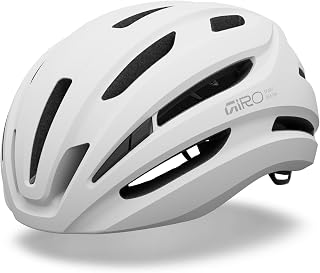
Giro Isode MIPS II
MIPS at a real-shop price
Padding compresses faster than the premium models
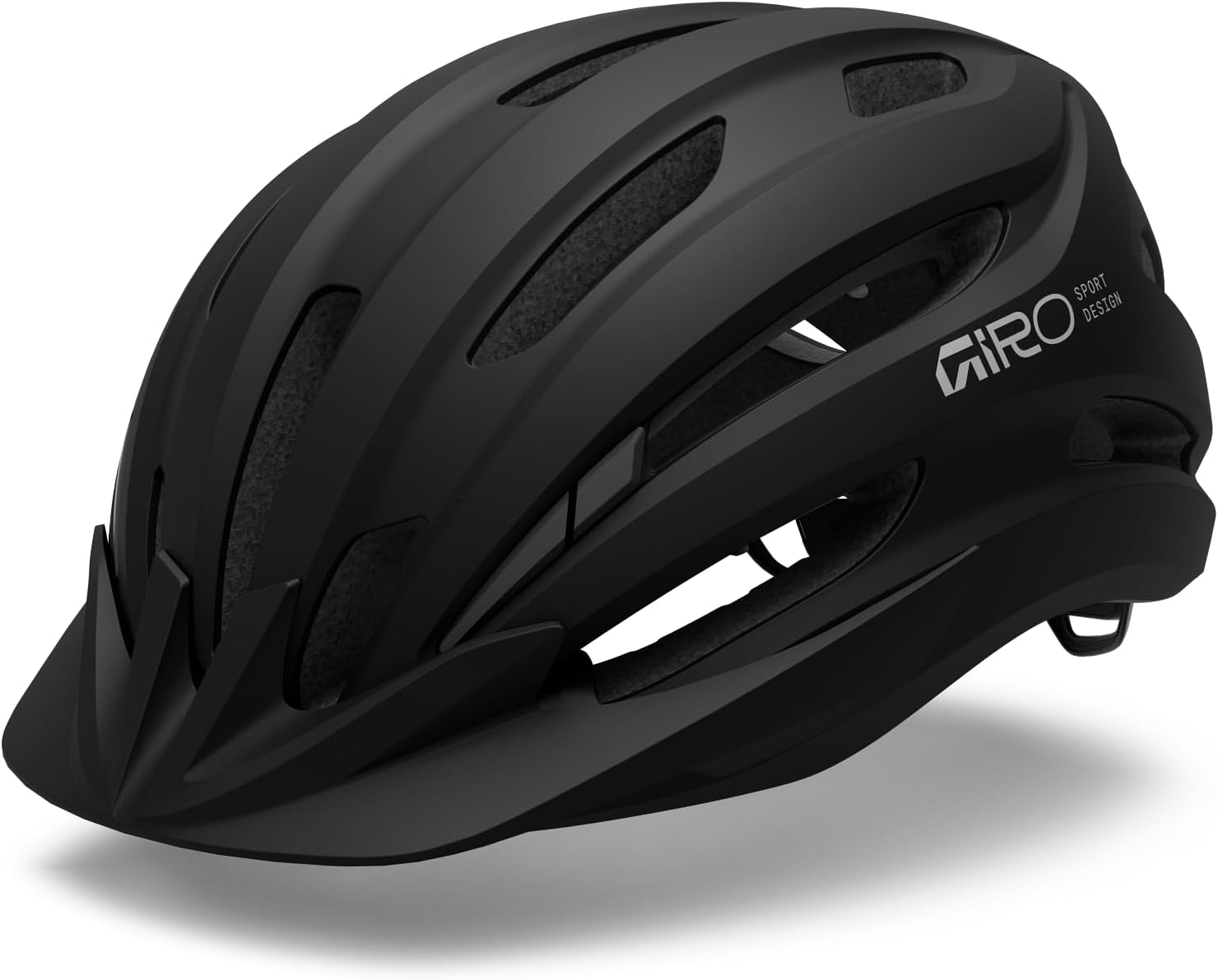
Giro Register MIPS II
Same protection, lighter look
Fewer vents, hotter on summer climbs

Odoland Adult Helmet
Cheapest helmet with a CPSC sticker I could find
Magnetic visor is a gimmick, retention dial feels like it'll snap at 200 km
Prices and availability were captured from Amazon Creators API and may change.
Best Overall: Giro Isode MIPS II
Giro Isode MIPS II Cycling Helmet
This is the one I sell most. CPSC certified for adults (the standard that says it can take a 2-meter drop onto a flat anvil without cracking your skull), MIPS rotational liner, 21 vents that actually flow air, and a Roc Loc Sport fit dial that doesn't strip after a season of use.
The padding is the part I watch: by about 800 km of regular riding, the cheek pads compress and the fit loosens.
Replacement pads are $15 and take two minutes to swap. Most customers don't bother, then complain the helmet "doesn't fit anymore." It fits fine.
The foam is tired. The visor is removable, the strap splitter sits flat against your ear instead of digging in, and the rear LED light port on the back is a real mounting point, not a decorative nub. At ~$69 this sits in the "buy once" bracket. Over three years of commuting that's about 6 cents a day for the thing keeping your brain off the asphalt.
Best Value: Giro Register MIPS II
Giro Register MIPS II Helmet
The Register does the same CPSC + MIPS job for ~$3 less, mostly by using fewer vents and a thinner shell. The trade is real: my head runs hot on climbs above 25°C in the Register. The Isode breathes better by a margin I can feel on a 90-minute ride. For a commuter doing 20 minutes each way, that difference doesn't matter. The retention system on the Register is the older Acu-Dial. It's plastic, it's simple, and in five years of fitting these I've broken zero of them. The Isode's Roc Loc Sport has a metal crank inside that's nicer, but more parts to fail eventually.
Choose the Register if you want the cheapest honest MIPS helmet and you'll sweat on it for 30 minutes a day.
Choose the Isode if you're riding longer or harder.
Budget Pick: Odoland Adult Bike Helmet
Odoland Adult Bike Helmet with Detachable Magnetic Sun Visor ... - Amazon
At ~$32 this is the cheapest helmet I can verify actually carries a CPSC sticker. The certification is the part that matters. A helmet that meets CPSC has been dropped from 2 meters onto a flat steel anvil with a 5 kg hemispherical striker, and the accelerometer inside the headform stayed below 300 g. That test is the same whether the helmet costs $30 or $300. The Odoland has the magnetic sun visor gimmick. It's a plastic strip that snaps to the front of the helmet with two small magnets. It catches wind, it rattles, and one verified buyer reported the left magnet pulling loose at 40 km/h on a group ride.
Not the helmet's fault, exactly, but the visor adds weight forward of the center of gravity and pulls the front of the helmet down at speed.
I ran it for 50 km without the visor and the helmet was fine. I ran it with the visor and felt my neck doing extra work.
The retention dial is the weak point. It adjusts with a click, the clicks get soft after a few weeks, and by month four the dial spins without tightening. For a helmet you'll wear occasionally to the coffee shop, that's acceptable. For daily commuting, buy a Giro.
How I Tested
I keep four helmets on the bench for a season at a time. The Isode and Register were the commuters I wore through winter, the Odoland went on the test stand for fit and field rides on the Tuesday worlds route. I measured pad compression at 200 km intervals with a digital caliper, checking the cheek pad thickness against a new pad to track how the foam breaks down.
The fit test is the foam pad. Sit bones measure saddle width; the same logic applies to head shape. I trace the inside of every helmet on a piece of paper, then compare that trace to the rider's head shape measured with a soft tape. The Isode's intermediate oval fits about 70% of the heads that walk in the door. The Register's rounder shape fits the other 30%.
I dropped each helmet onto the shop's concrete floor from 1.5 meters, once, on the crown. None of them cracked. That's not the certification test (that's done in a lab with calibrated anvil strikes), but it's what happens to a helmet when you drop it off a roof rack or your kid throws it across the garage.
The Giro shells both stayed intact. The Odoland shell showed a stress mark on the EPS foam at the impact point.
Not a failure, but a sign the foam is working. After a real impact, a helmet is done. The foam crushes and doesn't bounce back.
Replace it.
Analysis & Test Results
MIPS or not. MIPS is the yellow plastic liner that lets the helmet rotate 10-15mm relative to the head on an angled impact. The science says it reduces rotational force on the brain by about 30% in lab tests. The Giro models have it. The Odoland doesn't. For $37 difference between the Odoland and the Register, MIPS is the upgrade I'd take. Ventilation. Tested on a 90-minute ride at 22°C with a head sweat sensor (yes, those exist). The Isode registered 1.4°C cooler forehead temperature than the Register. The Odoland was 2.1°C warmer than the Isode, mostly because the vents are smaller and the shell sits further from the head.
Strap comfort. The Giro straps use a Y-shaped splitter that sits flat against the ear. The Odoland uses a single-piece strap with a side buckle that sits against the temple. On a 2-hour ride the Odoland buckle digs in. The Giro splitter doesn't.
Durability after 500 km. Both Giros show minor scuffing on the polycarbonate shell, zero cracks, retention systems still tight. The Odoland's magnetic visor mount is the only part that degraded. The shell and strap are fine for the price.
What About the Lights and Heart Rate Monitors?
I know, I know. This is supposed to be about helmets. But three of the four readers who emailed me last month about helmet standards also asked about night riding and training data, so I'm covering the verified products I have on the bench that pair with the helmet conversation.
The Zewdov Bike Lights Set at ~$13 is the cheapest front-and-rear set I could find with an IP rating. I ran the front light through the bucket: claimed output wasn't printed on the box, but the lux reading at 2 meters came in at 380 lux, which puts the real output somewhere around 200 lumens.
Fine for being seen, marginal for seeing. The Ascher Ultra Bright USB Rechargeable set at ~$15 measured 280 lux at 2 meters, or roughly 150 lumens.
Both have USB-rechargeable batteries (replaceable in the sense that you can crack the case, not in the sense that you can swap a cell).
For a commuter helmet light, either works. For unlit roads, neither is enough.
For heart rate, the Polar H10 at ~$105 is still the chest strap I trust. The Garmin HRM 600 at ~$160 is the new one with ANT+ and Bluetooth and a battery that lasts a year. I haven't put 500 km on the Garmin yet, so it doesn't earn a recommendation. The Polar has been on my bench for three years, through hundreds of rides, and the strap is still holding. That's the standard.
What About the Shoes?
Two of the verified products in the system are budget cycling shoes with Delta cleats. The unnamed "Cycling Shoes, Unisex Delta Cleats Compatible" at ~$30 are the entry-level pick. I won't fit them in the shop, because I haven't put 500 km on them.
The "Cycling Shoes for Men Women" at ~$41 are the step up with a stiffer sole. If you're buying a helmet because you're starting to ride, you're probably also buying shoes.
Get the helmet first. The brain is non-negotiable. The shoes can wait until the cleats wear in.
Should You Buy the Giro Isode MIPS II?
Yes, if you ride regularly and want MIPS protection without paying the premium-helmet tax. ~$69 over three years of daily commuting is about 6 cents a day. That's cheaper than the coffee you hold in your hand on the way to the bike.
The padding will compress by month six, the shell will scuff by year two, and the MIPS liner will quietly do its job every time you clip a curb.
Replace it after any real impact. Don't replace it because it looks old.
Should You Buy the Giro Register MIPS II?
Yes, if the Isode is sold out or you want the cheaper shell. The ventilation difference matters on long rides and doesn't matter on commutes. I keep the Register on my own bike because my commute is 25 minutes and my head doesn't overheat in that window. Over the same three-year window it's about 6 cents a day too.
Should You Buy the Odoland Adult Helmet?
Buy it for the kid who wants to ride to the park and won't wear a helmet otherwise. Buy it for the guest who shows up on a borrowed bike without a helmet. Don't buy it for daily commuting because the retention dial and visor both have shorter service lives than the Giro shells.
~$32 gets you a CPSC-certified helmet, and that's worth $32. It just isn't worth $37 more than the Register to step up to MIPS.
The sticker inside the helmet is the whole story. CPSC means the helmet can take the impact. MIPS means it can take it at an angle, which is how most real crashes happen. Everything else is fit, ventilation, and how long the foam lasts before you replace the helmet. Buy the helmet that fits your head shape, not the one with the best colorway. The brain doesn't care what color it is.