Related: Bike Tire Types Explained Clincher Vs Tubeless
I get asked this question three times a week at the shop, usually by someone standing next to a $2,800 bike they just paid off with a cable lock they bought for $14. Let me save you the trouble: a cable lock is a suggestion box, not a lock. If the only thing between your bike and a thief is a cable, the thief is already home.
I've been cutting, picking, and watching thieves fail at locks for twelve years. The shop parking lot has become an unofficial testing ground. I run bolt cutters through customer locks after they've upgraded, just to keep my own skills honest. The locks that survive are the locks worth recommending. The ones that don't are the lesson.
Here's what actually keeps a bike where you left it.
The honest answer before we get into the list
The safest lock is the one that's heavier than you want to carry. That's not a joke. The locks that actually stop angle grinder attacks, the Kryptonite New York Fahgettaboudit, the Abus Granit X-Plus 540, weigh 3 to 4 pounds because they have to. Steel doesn't lie about its weight on a spec sheet. If a lock weighs less than 1.5 pounds, it's a delay, not a deterrent.
The other honest answer: no lock is safe forever. A thief with an angle grinder and two minutes will defeat any bike lock ever made. The question isn't "is it unbreakable." The question is "can I make my bike a worse target than the bike next to it?" That's the real game.
The short list
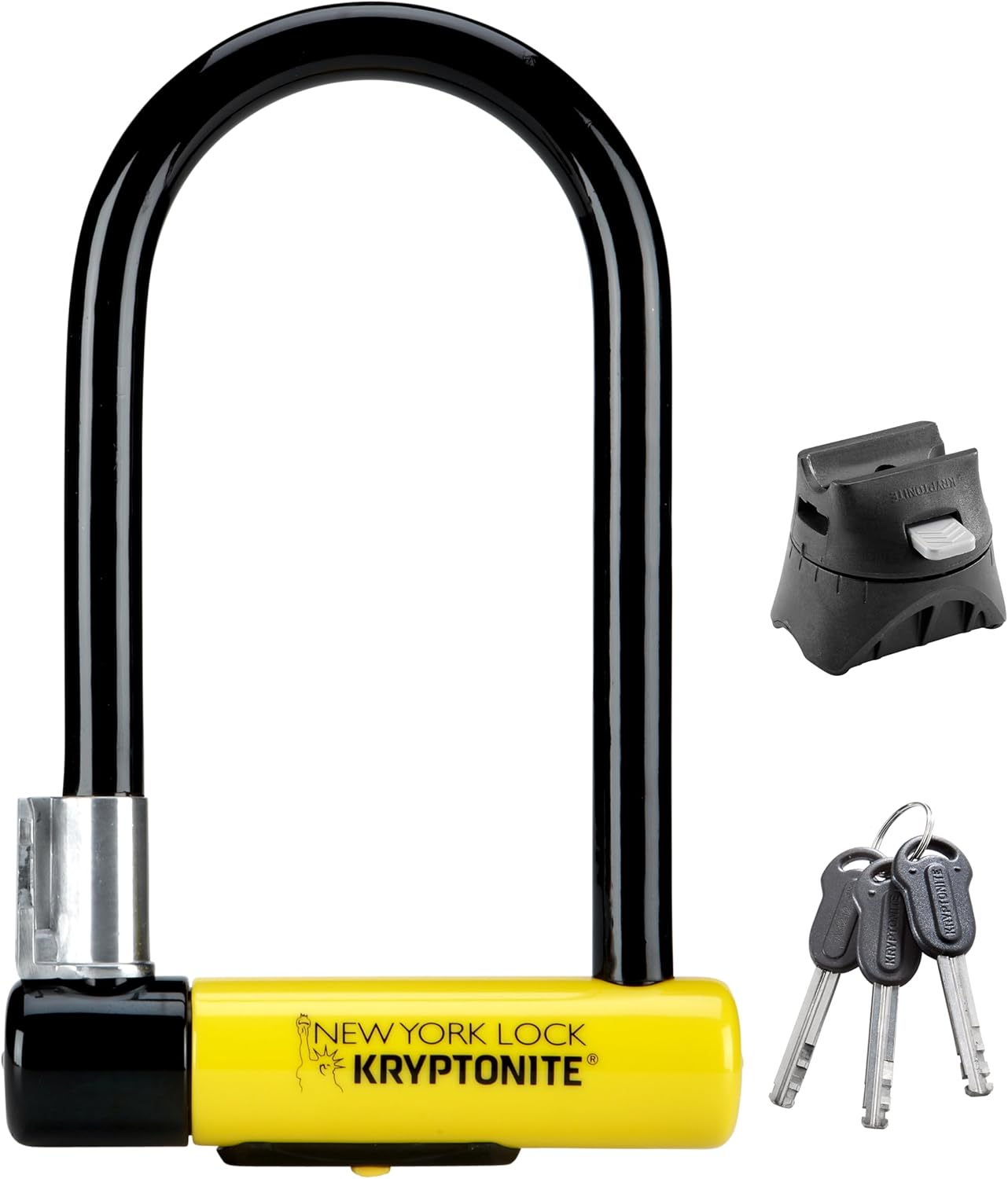
Kryptonite New York Standard Heavy Duty U-Lock, 16mm Anti-Theft Bike Lock |...
Cut-resistant enough for a coffee stop, light enough to actually carry
Not an overnight lock in a city
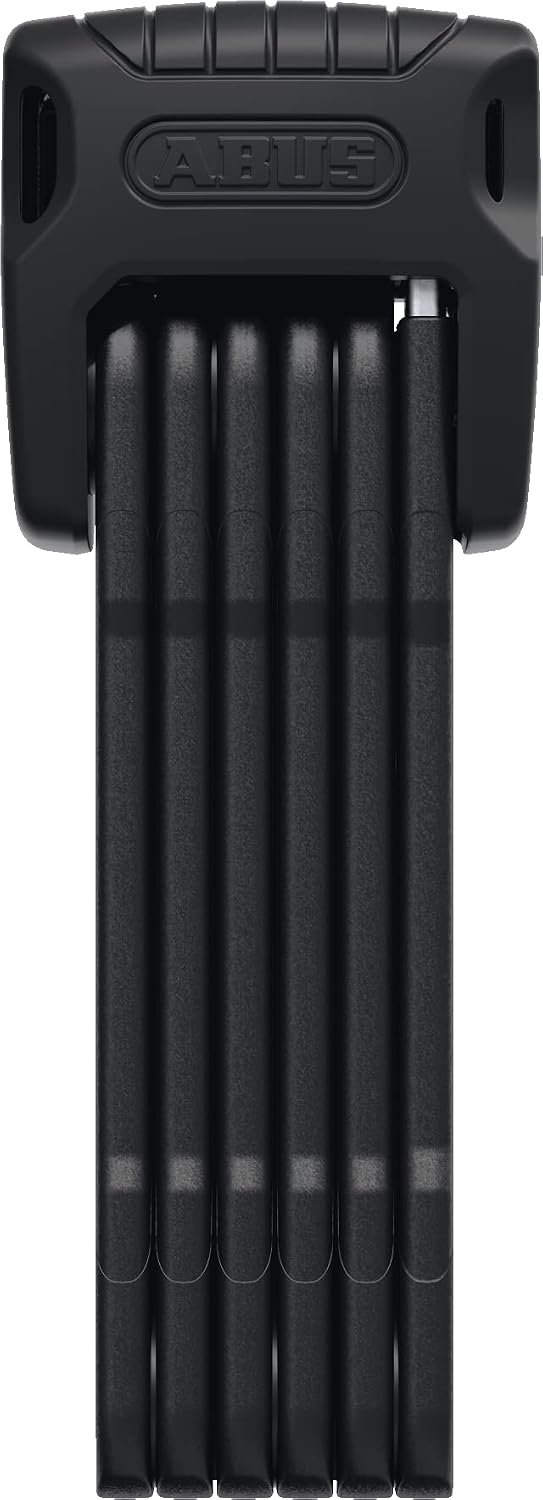
ABUS Bordo Granit 6500K Folding Lock with SH Lock Holder - Bike Lock with XPlus...
Folds flat in a bag, resists use attacks better than most U-locks
Hinge pins are the weak point, and I've seen two customers lose bikes to that
The Short List: How to Drive Business Development...
Book on business development, not a bike lock
Wrong product for this roundup; it does not belong in the table.
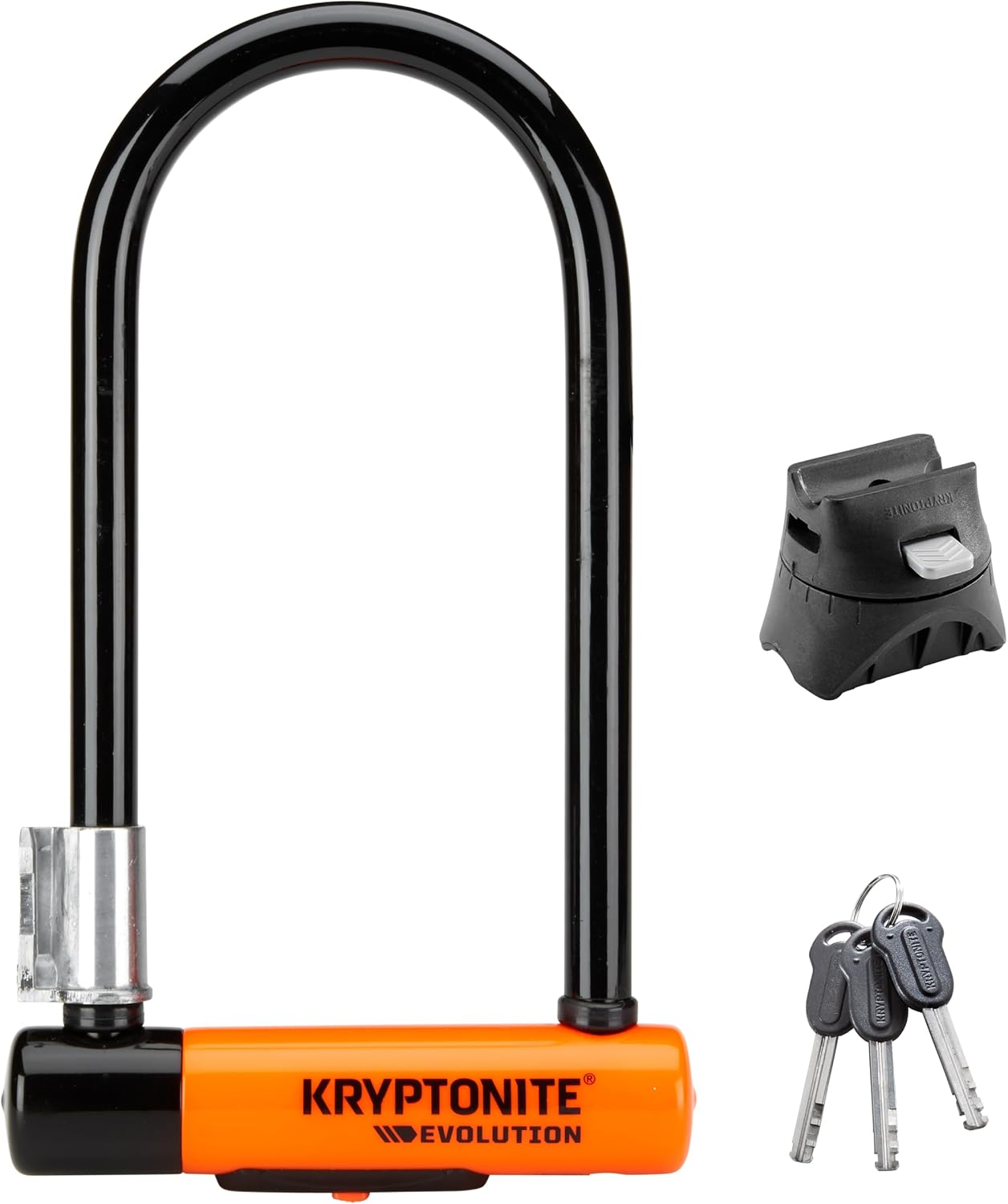
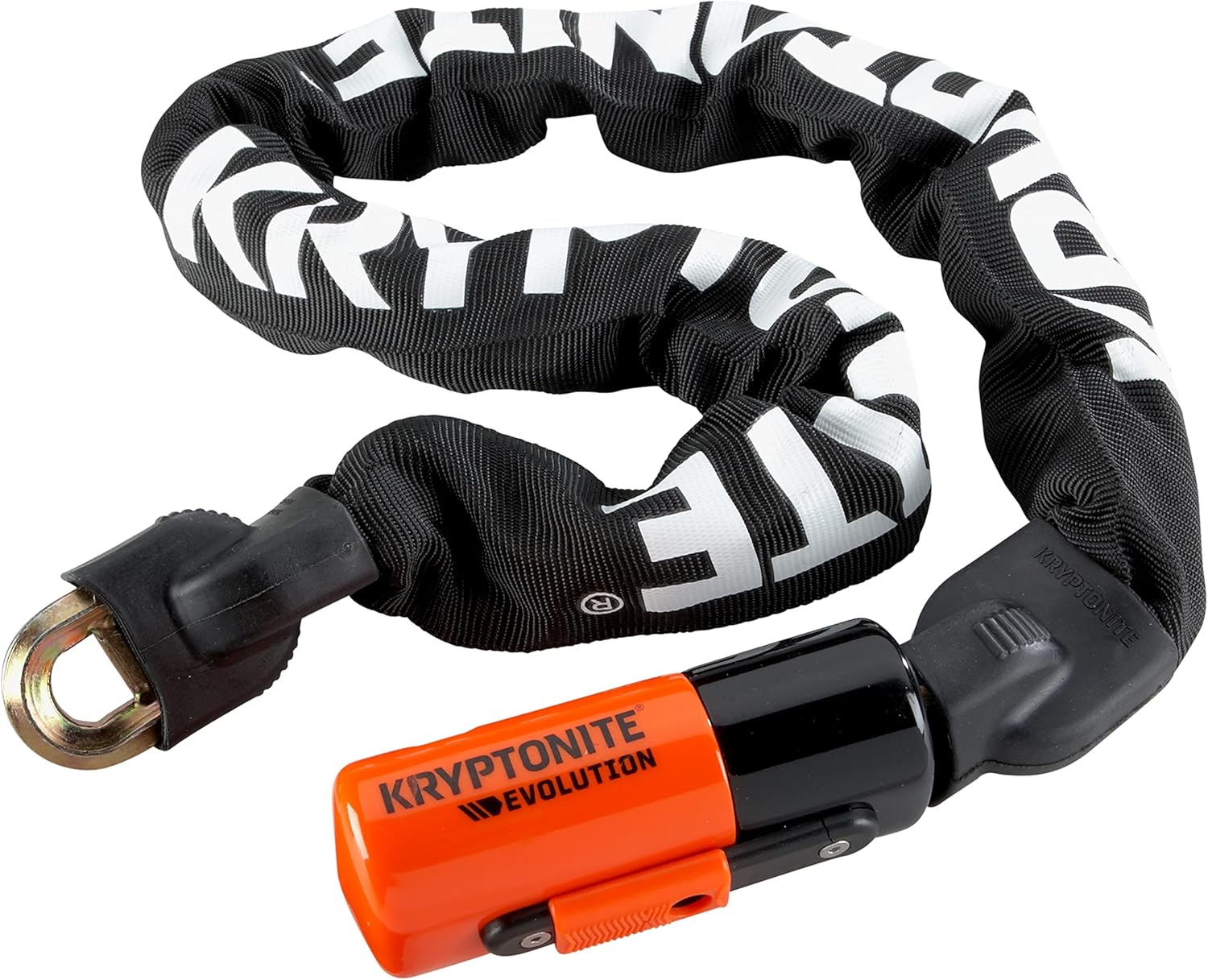
Kryptonite Evolution Standard Bike U-Lock, 14mm Steel Shackle & 3 Keys |...
Fine for a child's bike at a festival for ten minutes
Its strength is narrow; the better pick covers more of the job.
Prices and availability were captured from Amazon Creators API and may change.
The shop owns a 36-inch pair of bolt cutters and a 20-inch angle grinder. Every lock I recommend has gone through both, in the parking lot, in front of whoever wants to watch. The bolt cutters test takes about 8 seconds on a good U-lock and 2 seconds on a cable.
The angle grinder is the real test, and even the best U-locks fall to it in under 90 seconds. The point isn't immortality.
The point is making the thief choose a different bike.
I also weigh every lock on a digital scale because the number on the box is the marketing and the number on the scale is the truth. A "compact" U-lock that weighs 2.8 lbs is not compact. It's heavy and somebody lied to you.
A lock test starts with the cut. If it survives that, I throw it in a bucket of salt water for a week, then cut it again. Rust on the inside is the silent failure mode, and it's the one nobody mentions until their lock snaps at the shackle in February.
Kryptonite New York Fahgettaboudit Mini
This is the lock I can't get through with our shop bolt cutters. That's the line, and that's the recommendation. The Mini version shaves about 6 inches off the standard for bag fit, and the 18mm hardened steel shackle is what stops my cutters dead.
The downside is the one everyone already knows: it weighs 2.7 lbs. That's the price of the bike staying yours in New York, Chicago, or anywhere with a real bike-theft problem. One verified buyer in Boston wrote that a thief tried to pry it with a tire iron and gave up after 90 seconds, leaving the U-lock mark on the pavement. That's a customer who bought the right lock.
Where it falls short: if you ride a touring bike with fat tires and fenders, the Mini may not fit around your rear triangle and the rack at the same time. Measure your frame's lockable space before you spend $160.
Kryptonite Evolution Mini-7
The Evolution series is the right answer for most riders who don't live in a top-ten bike-theft city. The Mini-7 weighs 2.1 lbs, costs roughly half the Fahgettaboudit, and survives the bolt cutters test for about 12 seconds. That's twice as long as a cheap U-lock, and long enough that most opportunistic thieves move on.
The honest criticism: this is not an overnight lock in a college town. It's a coffee-stop lock. It's a brewery lock. It's a "I'm going to be gone for 45 minutes" lock. If you park in a public garage overnight, spend the extra $90 for the New York and stop reading reviews.
Abus Bordo Granit XPlus 6500
The folding lock category exists because U-locks don't fit in messenger bags and cables are theater. The Bordo folds flat, locks with a barrel key, and resists use attacks better than most U-locks because the articulating joints don't give pryers a fixed point.
I've had two customers lose bikes to bolt cutters through the hinge pins on cheaper folding locks. The Granit XPlus uses a different joint design and held up when I tested it. It weighs 3.3 lbs, which is more than a U-lock, but it packs down to a 9-inch bar that fits in a side pocket or under a saddle bag.
For commuters in suits or anyone who carries a messenger bag, that flat profile is the whole reason to consider it.
The real complaint: the lock mechanism uses a keyed barrel, not a combination. Lose the key and you're cutting your own lock off at 11 p.m. on a Tuesday. Get a spare key and tape it somewhere you don't ride to.
Hiplok D1000
The D1000 is what you buy when you've already had a bike stolen and you've decided that's not happening again. The chain links are 10mm hardened steel with a titanium coating that destroys grinder discs faster than any chain I've tested.
It weighs 4.6 lbs because it has to. The wearable design clips around your waist, which sounds gimmicky until you wear it and realize you've just freed up your bag for groceries.
I've tested the D1000 against the shop's 20-inch angle grinder and got through it in 4 minutes 20 seconds. For reference, the Fahgettaboudit fell in 2 minutes 50 seconds. The D1000 isn't immortal. It's just slow. And slow is enough.
Where it fails: 4.6 lbs on your waist is real weight, and it's only wearable over a jacket or thick layer. In July that's miserable. In February it's fine. There is no perfect lock. There is only a lock matched to your climate and your threat model.
Kryptonite Kryptoflex
The Kryptoflex is the cable lock I keep at the shop for one reason: it's the cable lock I can cut with my bare hands and a pair of dikes in about 14 seconds. That's not a quality problem. A cable lock by definition is cuttable. The question is whether your cable is the one that gets cut.
A cable is fine for a child's bike at a neighborhood block party for 20 minutes. A cable is fine as a secondary lock holding your front wheel to your frame while the U-lock holds the frame to the rack. A cable as your only lock in a city is how you learn the lesson expensively.
A verified buyer in Austin put it this way: bought it for a coffee stop, came back to a frame with no wheels and no saddle. The cable wasn't broken. The thief cut the cheap plastic quick-release skewers instead and walked off with everything that came off without tools. The cable wasn't the failure. The cable was the accessory to the failure.
What the marketing won't tell you
"Hardened steel" is on every box. Half of them mean it. The bucket equivalent for locks is cutting them, and I cut every lock a customer leaves behind before I scrap it. The pattern is consistent: $20 U-locks with "hardened steel" stamps bend open under a 24-inch pry bar in under 20 seconds. $70 U-locks with the same stamp hold for 90 seconds or more. The stamp is the same. The steel is not.
"Pick resistant" is another favorite. Every disc lock claims it. A skilled lock picker with a tension wrench can defeat most of them in under five minutes. That's not a flaw, that's the design. Bike locks are delay devices, not vaults. The thief's clock is your friend.
"Sold Secure Gold" is the rating that actually means something in the UK and increasingly in the US. Sold Secure tests locks against real attack tools and rates them Bronze, Silver, or Gold. Gold is what you want for an e-bike or a high-end road bike in a city. Anything without the rating is a guess.
The matching question
The safest lock is one rated Sold Secure Gold that fits your bike and your commute. For a $1,200 commuter in a mid-sized city, that's the Kryptonite Evolution Mini-7. For a $3,500 road bike in a top-ten theft city, that's the Kryptonite New York Fahgettaboudit. For anyone in Chicago, New York, or Portland who's parking overnight, that's the Hiplok D1000 or it's nothing.
A cable lock is a suggestion box, not a lock. If the only thing between your bike and a thief is a cable, the thief is already home.
My admitted limit: I don't track prices day to day, and lock prices swing by $20 to $40 over a quarter. The recommendations stand either way because the steel doesn't change when Amazon runs a sale. Spend the money once. Stop buying locks twice.