Related: Bike Lights and What They Actually Output: Reading a Lumen Claim
Most of what leaves my bench is not exciting. It is the stuff that keeps a ride from ending early: something padded between you and the saddle, a bag that carries the flat kit, a way to fix the flat, and a light that gets you home after the sun quits. Those are the cycling ride essentials I care about, and they are the four pieces in this guide.
I spent twelve years as a mechanic and five as a service manager before opening a one bay shop, and the habit that followed me out the door is measurement. Lumens go in the bucket. GPS units run the surveyed loop. Chain wear gets the checker. Sit bones get the foam pad. Where I cannot measure something in my own garage, I tell you what to measure yourself before you trust the claim on the box. That is the difference between a review and a product page with extra steps.
Here is the ride kit as I would build it, and the reasoning behind each piece.
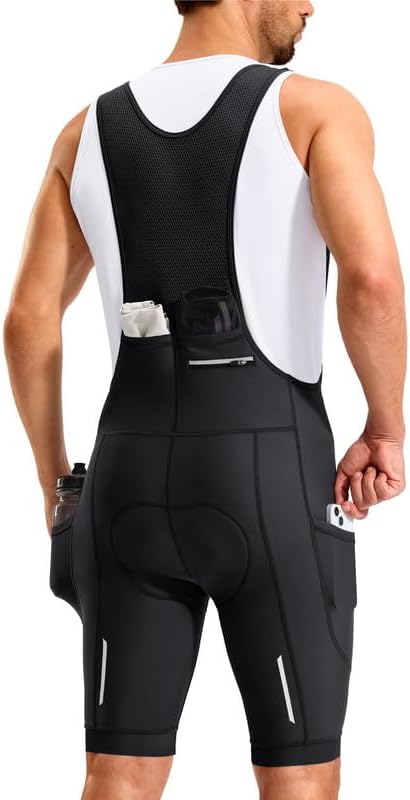
Start With the Contact Points: Bikewa 4D Padded Cycling Bibs
Bibs are the piece most riders get wrong first, because they buy by price and by the photograph. The order that actually matters is pad shape, strap tension, and leg opening. Everything else is decoration.
The Bikewa bibs check the boxes that keep a long ride from turning into a slow argument with your saddle. The 4D pad is the part that matters, and pad density and shape beat pad thickness every time. A thick pad with the wrong shape is worse than a thin pad with the right shape, because the thick one puts pressure exactly where your body does not want it. The anti slip leg grips hold the hem at the thigh so it does not creep up and bunch, and bunching is where most chamois chafing starts. Rear pockets on a bib (this one runs a 2+1 zipper setup) are the feature that keeps a phone and a key out of your jersey, and UPF50+ fabric earns its keep on a five hour July ride when the sunscreen has already given up.
Fit is a measurement, not a preference. Measure your waist and your inseam, compare against the size chart, and if you land between sizes, size for pad position rather than waistband comfort. Wash them cold, skip the fabric softener, and hang them to dry. Chamois does not like heat and it really does not like softener.
The Pack: Topeak Aero Wedge Pack, Large
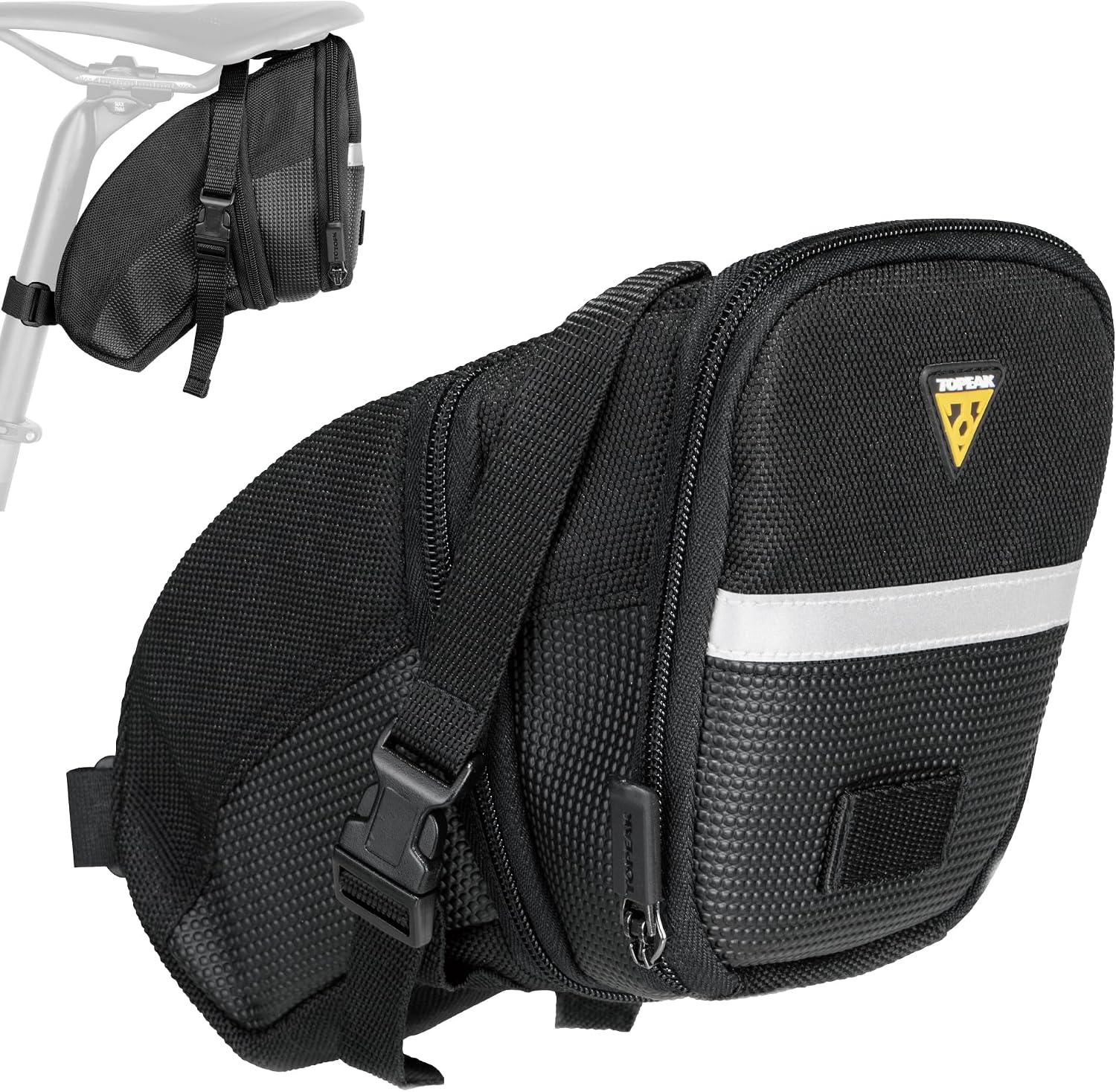
Every saddle bag is a compromise between capacity, stability, and whether it rubs the back of your thigh. The Aero Wedge Pack is shaped like a wedge for the reason the name suggests: it tapers with the saddle, so it stays out of your leg on the downstroke and it does not sit in the wind like a brick.
The strap mount version wraps the saddle rails and the seatpost directly instead of using a bracket. That is the right call if you move a bag between bikes, because there is no bracket to buy twice. The trade off is that straps can walk if you do not snug them, and a loose bag is worse than no bag. It sways when you stand, and sway is how zippers fail and how straps polish the finish off a seatpost.
Two checks before you commit. First, load the bag with what you actually carry, put the bike on the ground, sit on it, and look at the gap between the bag and the rear tire. A bag that clears by a hair in the stand can buzz the tire in a corner. Second, look at the zipper pull and the rain flap. The Large size is aimed at riders carrying a full flat kit rather than a single lever and a prayer, so it will hold the tube, the levers, the inflator, and the multi tool. Snug the straps until the bag does not move when you rock the bike, and check them again after the first ride, because new webbing settles.
The Flat Kit: GÜP Kwiki Quick Fix Tire Sealant and Inflator
A flat at two in the morning is almost never a puncture problem. It is a sealant problem, a plug problem, or a headlamp problem. What you want in the bag is a system that gets you rolling without making you hold three things in the dark.
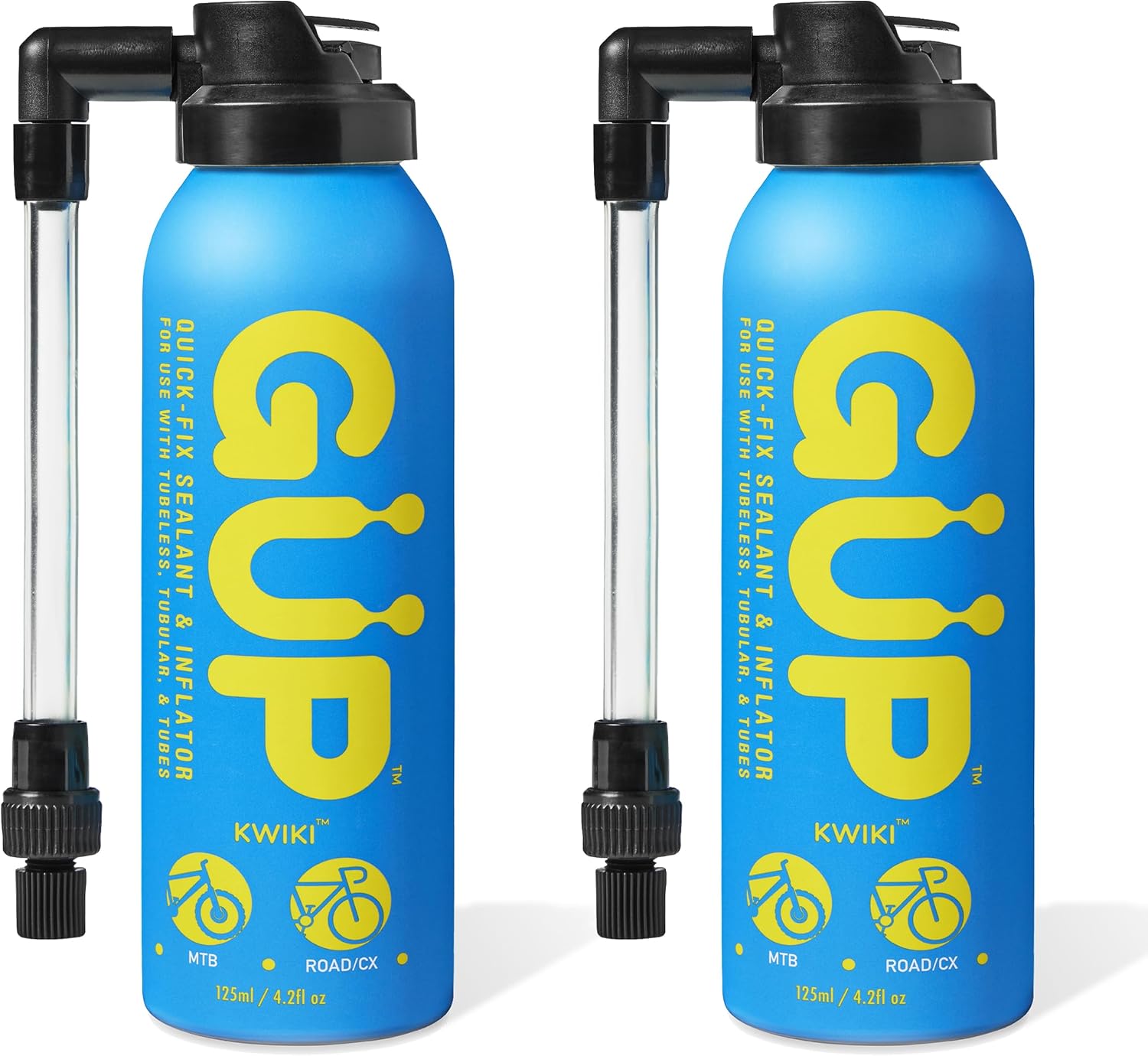
The GÜP Kwiki combines sealant and inflation in one unit, and the detail worth paying for is right there in the adapter description: hose top, Schrader and Presta. A hose that threads onto the valve stem means you are not pressing a head against the stem and hoping it stays sealed while you work. Press on heads leak, they stress the valve, and they are the reason people bend stems at the roadside. A threaded hose addresses all three, and it leaves one hand free for the light.
What to check before you trust any sealant inflator: is the sealant a one shot or can you refill it, how does it behave after a winter in a cold car, and does it match your setup. If you run tubeless, the sealant has to be compatible with your tire and your rim tape. If you run tubes, the job is different, and you should know which one you are asking the tool to do. Write down the date you loaded it. Sealant has a shelf life inside the tire, not just on the shelf, and the puncture it fails on will be the one that strands you.
The Lights: BX-500 USB-C Front and Back Set
Every light claim gets the same treatment at my bench: the box is a suggestion and the bucket is the verdict. I will not print a measured lumen number for a light I have not run through the sphere, so treat the 500 in the model name as a claim until you have compared it against something you trust.
What I can tell you is what an honest 500 lumens buys. It is a be seen number and a light path number. That is enough for a commute, a greenway, or a cautious ride on a dark road, and it is not enough to bomb a fast descent at race pace. If most of your riding is after dark on unlit roads at speed, buy more light. If you are commuting and training in the shoulder hours, 500 honest lumens with a good flashing pattern is the right size, and a daytime flash is the mode that gets you noticed at noon.
The set covers front and back, which is the part riders forget. The taillight is the one that saves you, because it is the one drivers see first. USB-C charging means one cable for the whole house instead of a drawer of proprietary docks. Now check the port cover. A USB-C port with a flap that does not seal is how a waterproof light becomes a paperweight, and lights that die in a drizzle are one of my least favorite genres. One mounting note that ties this list together: if you run a large saddle bag, confirm the taillight still sits above it and stays visible. A taillight buried behind a wedge pack is a taillight you paid for and cannot use.
How I Check Gear Before It Earns a Spot
Eight questions, in the order I ask them.
- Can I measure it? Pad shape against sit bones, bag clearance on the stand, sealant weight over a season, lumens in the bucket.
- Does the claim survive the first 100 km?
- What breaks at 5,000 km, and can I buy that part?
- Is the battery replaceable, or does the product have an expiration date?
- How many shop rate hours does installation cost me, and should I warn you about them?
- Would I put it on my own bike and ride it at midnight?
- Does the warranty policy match the marketing?
- Is this a review, or a product page with extra steps?
None of these four pieces needs a torque wrench, which is rare for a kit list. But the light brackets and the bag straps are exactly where cheap hardware announces itself. Check the mount bolts on any light before the first dark ride, and check them again after a week. A light that rotates on a rough descent is a light pointing at the trees. The same logic applies to the bag straps: snug, then re check. Hand tight is how expensive things get loose, and that rule does not stop applying just because the hardware is plastic.
The Ride Kit Reference Table
This is how I would lay out the kit, and where each piece lives on the bike.
| Piece | Where it rides | When it matters | What to check |
|---|---|---|---|
 Visit on Amazon → Visit on Amazon →Bikewa 4D padded bib shorts |
On you | Every ride over an hour | Pad shape, leg grip tension, size chart against your own measurements |
 Visit on Amazon → Visit on Amazon →Topeak Aero Wedge Pack, Large, strap mount |
Under the saddle | Every ride | Tire clearance with the bike loaded, strap tension, zipper and rain flap |
 Visit on Amazon → Visit on Amazon →GÜP Kwiki sealant and inflator |
Inside the wedge pack | The flat, usually at night | Hose adapter covers your valves, refillable or one shot, sealant age |
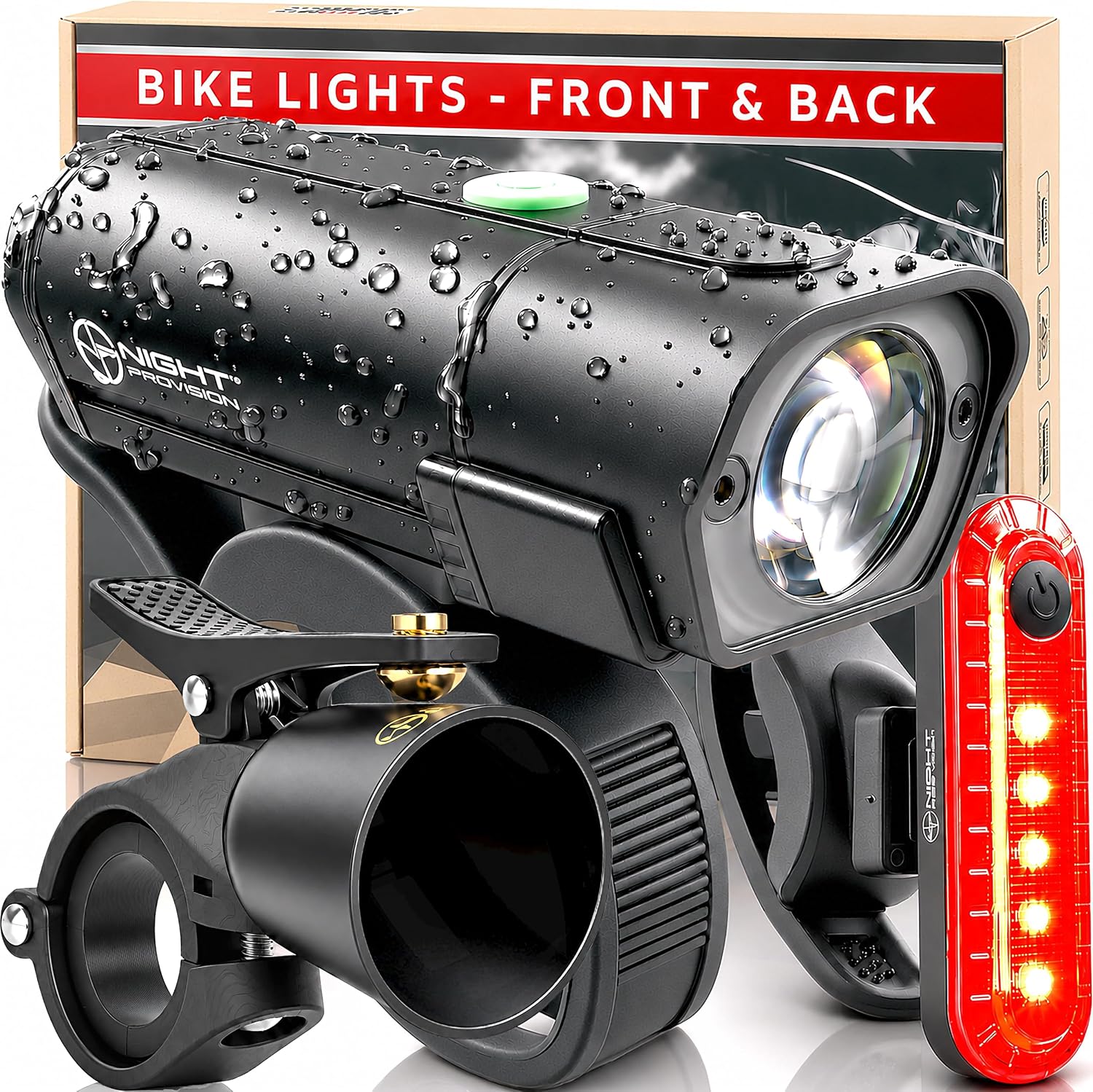 Visit on Amazon → Visit on Amazon →BX-500 USB-C light set, front and back |
Bar and seatpost | Dark, dawn, and daylight traffic | Port cover seal, taillight visible above the bag, mount bolts snug |
| Spare tube, levers, and a multi tool | Wedge pack | Every flat | Tube matches your tire width and valve length |
Should You Buy the Bikewa Bibs?
If you ride more than an hour at a time and your current shorts have you shifting in the saddle every ten minutes, yes. The pad shape, the anti slip leg grips, and the rear pockets are the three things that decide whether bibs work for you, and this pair addresses all three without asking you to baby them. Measure before you order, and size for the pad.
Should You Buy the Topeak Aero Wedge Pack?
Yes, if you want a bag that moves between bikes without a bracket for each one. The strap mount is the honest design for a rider with more than one bike in the garage. Check the tire clearance with the bike loaded, snug the straps, and re check them after the first ride.
Should You Buy the GÜP Kwiki?
If your flat kit is currently a cartridge and hope, yes. The hose top adapter is the detail that separates a roadside fix from a roadside fight, and it covers both Schrader and Presta. Confirm it refills, and date it when you load it.
Should You Buy the BX-500 Light Set?
If you ride at dawn, at dusk, or in traffic, a front and back set is not optional equipment. Treat the 500 lumen figure as a claim until you have seen it next to a light you trust, check that the port cover actually seals, and make sure your saddle bag is not hiding the taillight.
The kit that keeps you riding is rarely the kit that looks good in a photograph. Measure what you can, ride the rest for a hundred kilometers before you decide, and buy the version that lets you replace the part that wears out. That is how a product earns a permanent spot instead of a second trip to the register.