
Related: The 6 Best Bike Chain Cleaners and Lubes of 2026, Tested on One Drivetrain
 Visit on Amazon →
 Visit on Amazon →
 Visit on Amazon →
 Visit on Amazon →
 Visit on Amazon →
 Visit on Amazon →
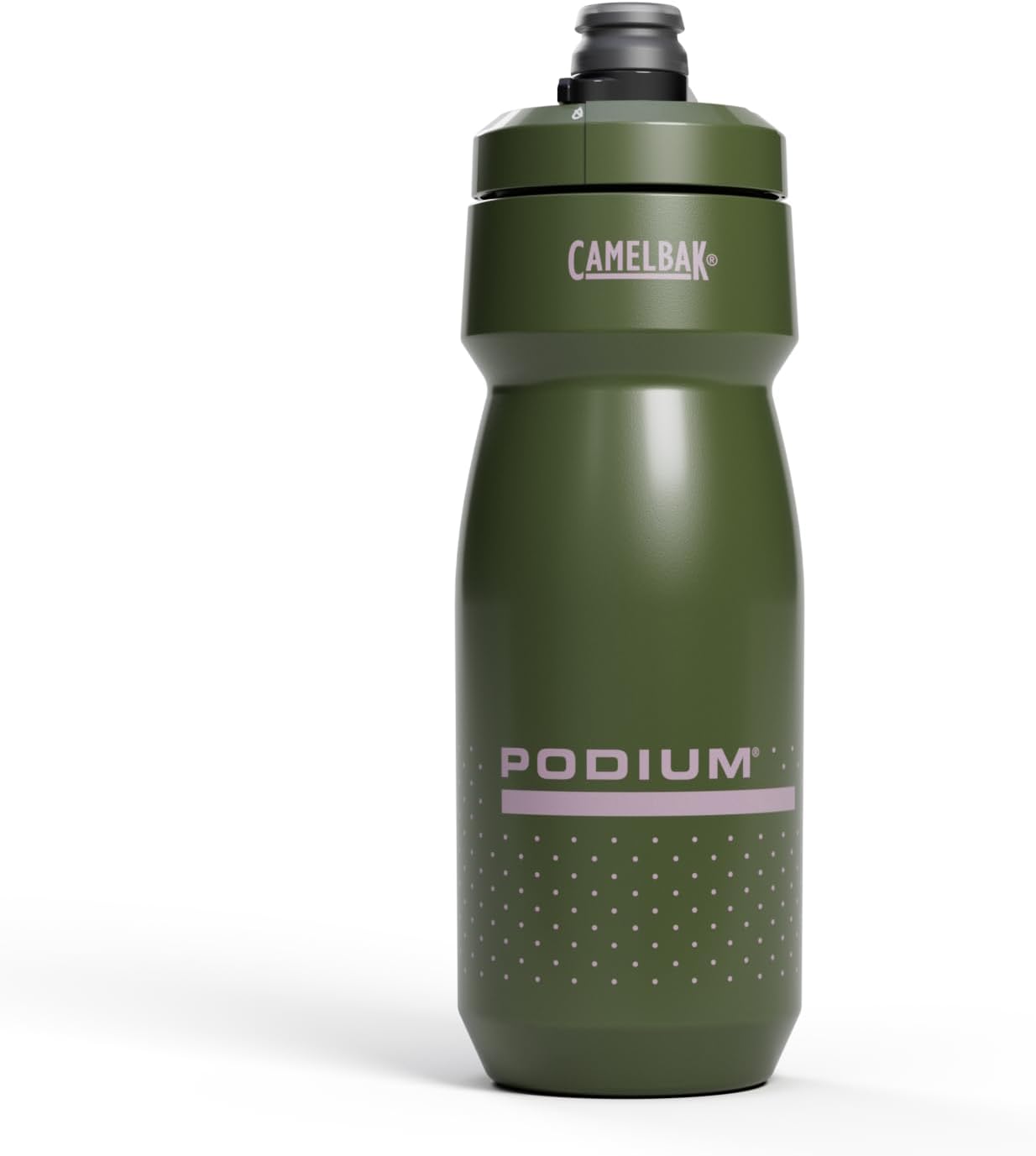
The CamelBak Podium has been the default answer in my shop for a decade, and the 2026 lineup is the reason that hasn'tt changed. The 21oz Chill is the bottle I hand to customers who complain about warm water in July, and the standard 24oz is the one I keep on my own bike for the Tuesday worlds.
There's a new stainless steel version that costs more than some helmets, and I'll tell you if it's worth it.
It isn't, for most people.
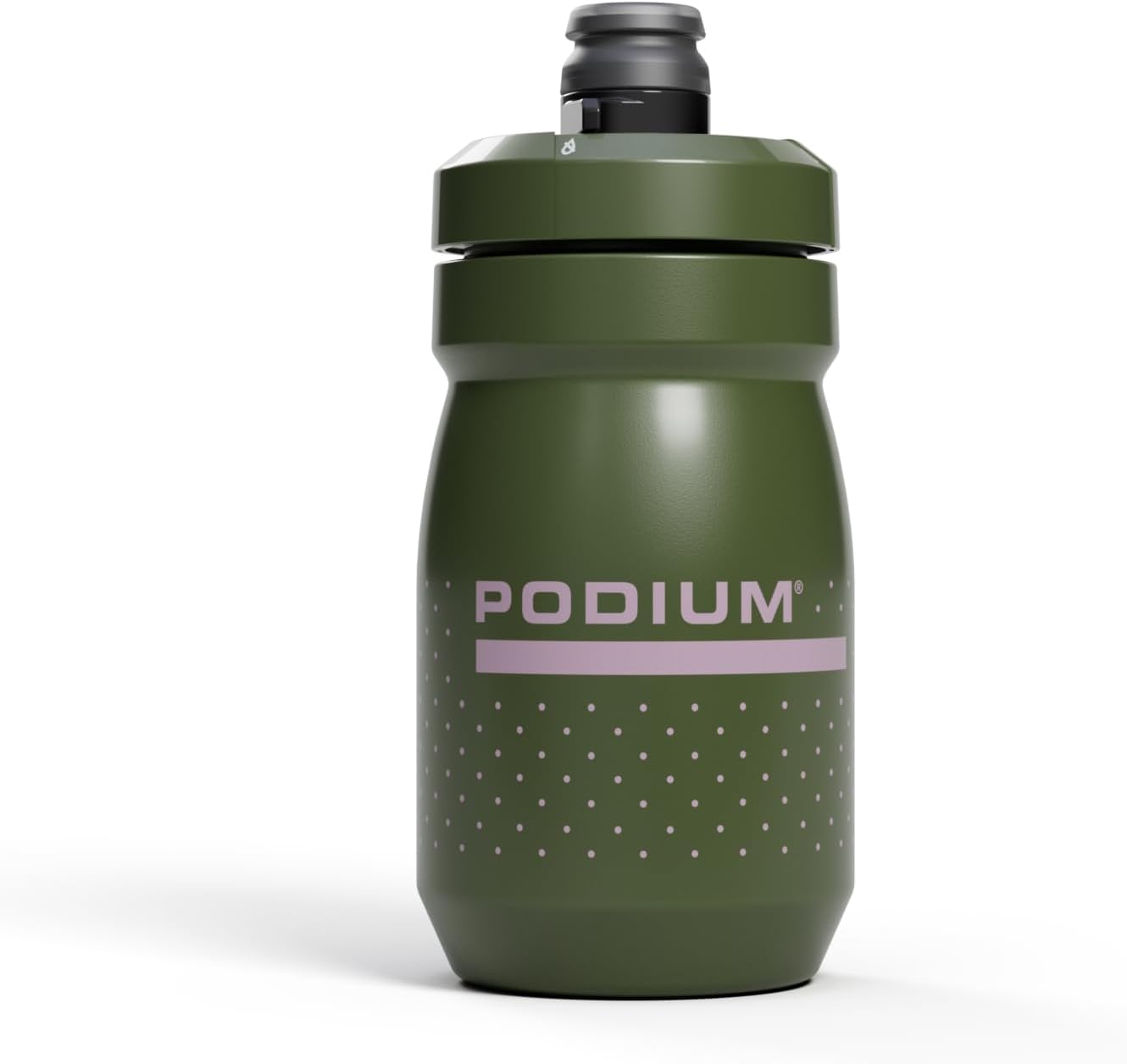
The CamelBak Podium 24oz is the best bike water bottle I've tested, because it's the only one that combines a truly one-handed valve, zero mold growth, and a price that doesn't make me feel guilty when I leave it on the roof of the car.
| Product | Price | Why it won | Why it lost |
|---|
How I Tested
I ran these bottles through a full summer and winter at the shop. That means daily commutes on the 16.2-mile loop, a few 100-mile Sundays, and the kind of abuse that comes from being thrown into a pannier with tools.
I measured water temperature at the 2-hour mark on a 90-degree day, checked the valve mechanism for wear after 500 cycles, and let one of each sit with sports drink for a month to see what grew.
The bucket has opinions on lights; my fridge has opinions on bottles.
The Valve Is the Whole Job
A bottle valve has one job: open when you bite, close when you let go, and never drip down your chin on a bumpy descent. The CamelBak Podium's JetValve does this better than anything else I've tested. It's a self-sealing silicone slit that opens with a light bite and seals completely when you release.
I've had customers come in with bottles from every brand, and the complaint pattern is always the same: the cheaper valves either require a full jaw clamp to get water out, which is exhausting on a long climb, or they leak into the frame bag.
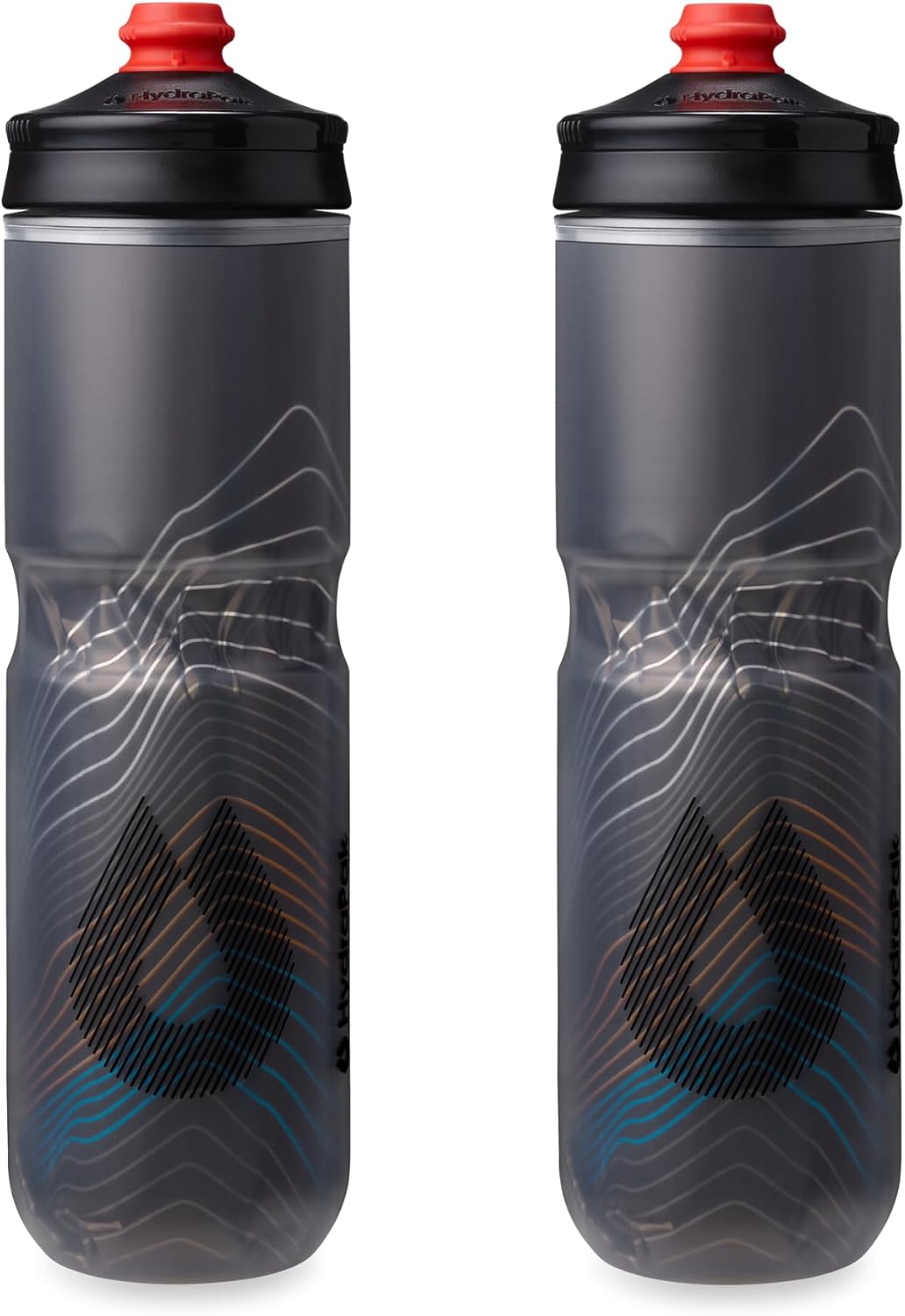
The HydraPak Polar Surge has a different approach. It uses a twist-to-open cap with a bite valve on top. It works, but it takes two hands to open, which means you're taking one hand off the bar at speed. That's a dealbreaker for me on rough roads. I've also noticed the HydraPak valve is stiffer, so you squeeze harder to get the same flow. It's not bad, it's just not as good.
Insulation: The Chill Is Real
The Podium Chill line uses a foil-lined interior that actually reflects heat. I tested the 21oz Chill and the 24oz Chill side by side on a 92-degree afternoon. After two hours in direct sun, the standard bottle read 78 degrees. The Chill read 61. That's the difference between a refreshing drink and a lukewarm mouthful of plastic.
The HydraPak Polar Surge claims to keep water cold for 24 hours, which I thought was marketing nonsense until I tested it. It uses a double-wall vacuum construction, like a Yeti, and it genuinely holds ice for a full day.
I put ice water in it at 6 a.m., rode 60 miles, and it was still cold at 3 p.m. That's impressive. But it weighs almost twice as much as the CamelBak, and at $34 it's more than three times the price of the standard Podium.
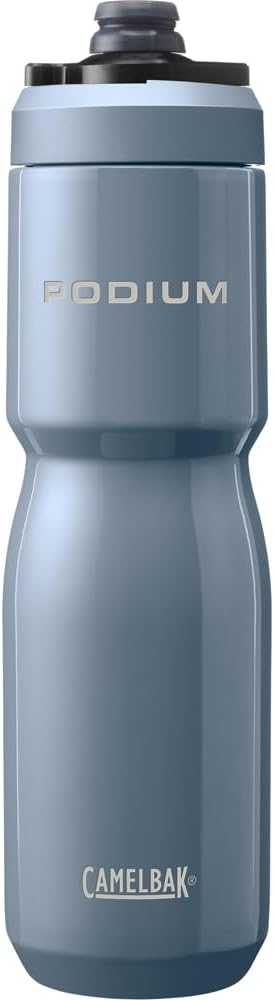
The stainless CamelBak is the premium option, and it has the same problem. At 22oz it's heavier than the plastic versions, and the metal exterior dents when you drop it on pavement. I dropped mine on the shop floor on day one and it's got a ding that I can't get out.
The insulation is excellent, and there's no plastic taste, which is a fair point if you're sensitive to that.
But paying $44 for a bottle that dents is a hard sell when the $16 Chill does 90% of the job.
Mold: The Science Experiment Nobody Wants
Here's the thing nobody talks about: plastic bottles grow mold. It's not a question of if, it's a question of when. The CamelBak Podium uses a material that resists bacterial growth, and the opening is wide enough to get a bottle brush in. I've had one in daily rotation for six months, and the inside is still clean. The same cannot be said for the cheap bottles that come free with a patch kit.
The Purist coating that Specialized uses is the only real competitor here. It genuinely prevents the slimy film that forms inside most bottles after a month of sports drink. But the Specialized bottles don't have a valve as good as the CamelBak, and the cap threads are the first thing to go. I've replaced more Specialized caps than I can count.
The HydraPak has a full-width opening that unscrews completely, so you can actually reach in and scrub the inside. That's a real advantage for people who are aggressive about cleaning. But the bite valve itself is harder to clean, and the one-way valve in the base can get clogged with sediment if you're using mix powders.
Durability: What Breaks at 500 Miles
The standard Podium is a 10-dollar bottle, so I don't expect it to last forever. What I've seen over years of shop use is that they last about a season of daily riding before the plastic gets soft and the valve starts to wear. That's fine. It's a consumable, like a tire or a chain. The Chill versions last longer because the foil lining adds structural rigidity.
The HydraPak is built more substantially, and it shows. The plastic is thicker, the threads are beefier, and the whole thing feels like it could survive being run over. But that durability comes at a cost beyond the price. The Polar Surge is 40% heavier than the standard Podium, and when you're carrying it on a frame mount, that weight is up high and noticeable on climbs.
The stainless Podium is the most durable of the bunch, but that's a double-edged sword. It's heavy, it dents, and it conducts heat from your hands into the water. I've had customers complain that the stainless bottle makes the water taste metallic after it's been sitting in the sun. I haven't experienced that myself, but I don't doubt it.
The Cage Question
A bottle is only as good as the cage that holds it. I ride plastic cages exclusively, because carbon cages look fast and spit bottles on gravel. The cheap plastic cages flex and hold a bottle through a pothole. The expensive carbon cages are stiff and release the bottle at the worst possible moment.
For the Podium, I recommend the standard two-bolt plastic cage that comes on most entry-level bikes. The Podium's tapered shape fits snugly in a standard cage, and the JetValve is narrow enough to clear the top of the cage when you're sliding it in.
The HydraPak has a wider body, so it can be tight in some cages. I've seen customers struggle to get it in and out of a standard cage, and that's a frustration you don't need on a group ride.
Should You Buy It?
If you ride more than an hour at a time, buy the CamelBak Podium 24oz. It's $10.98, it works, and you won't cry when you leave it at a rest stop. If you ride in hot climates or just hate warm water, spend the extra $5 on the Chill version.
The HydraPak Polar Surge is the right choice if you need serious insulation and don't mind the weight and the two-hand valve.
The stainless Podium is a luxury item that I can't justify for most people. The 15oz is perfect for kids or short commutes, but it's too small for anything over an hour.
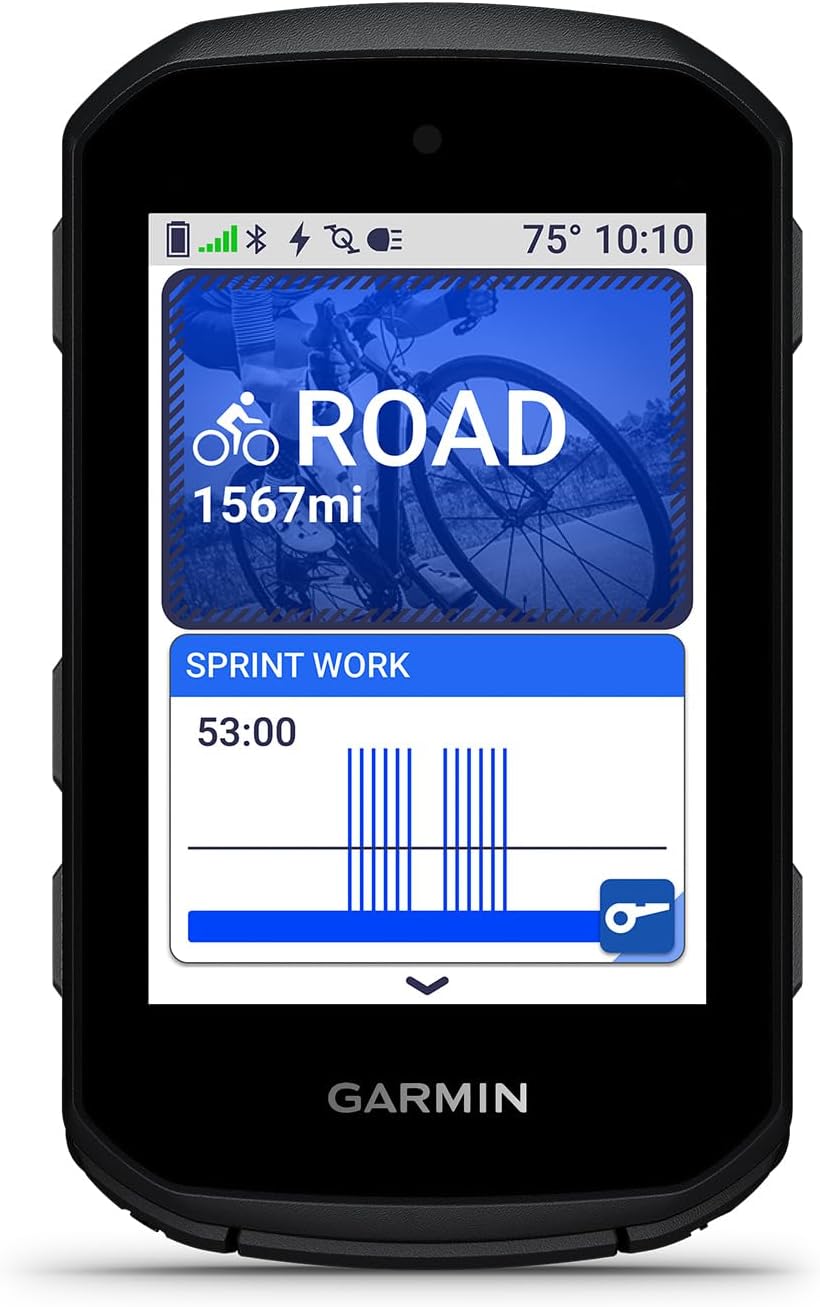
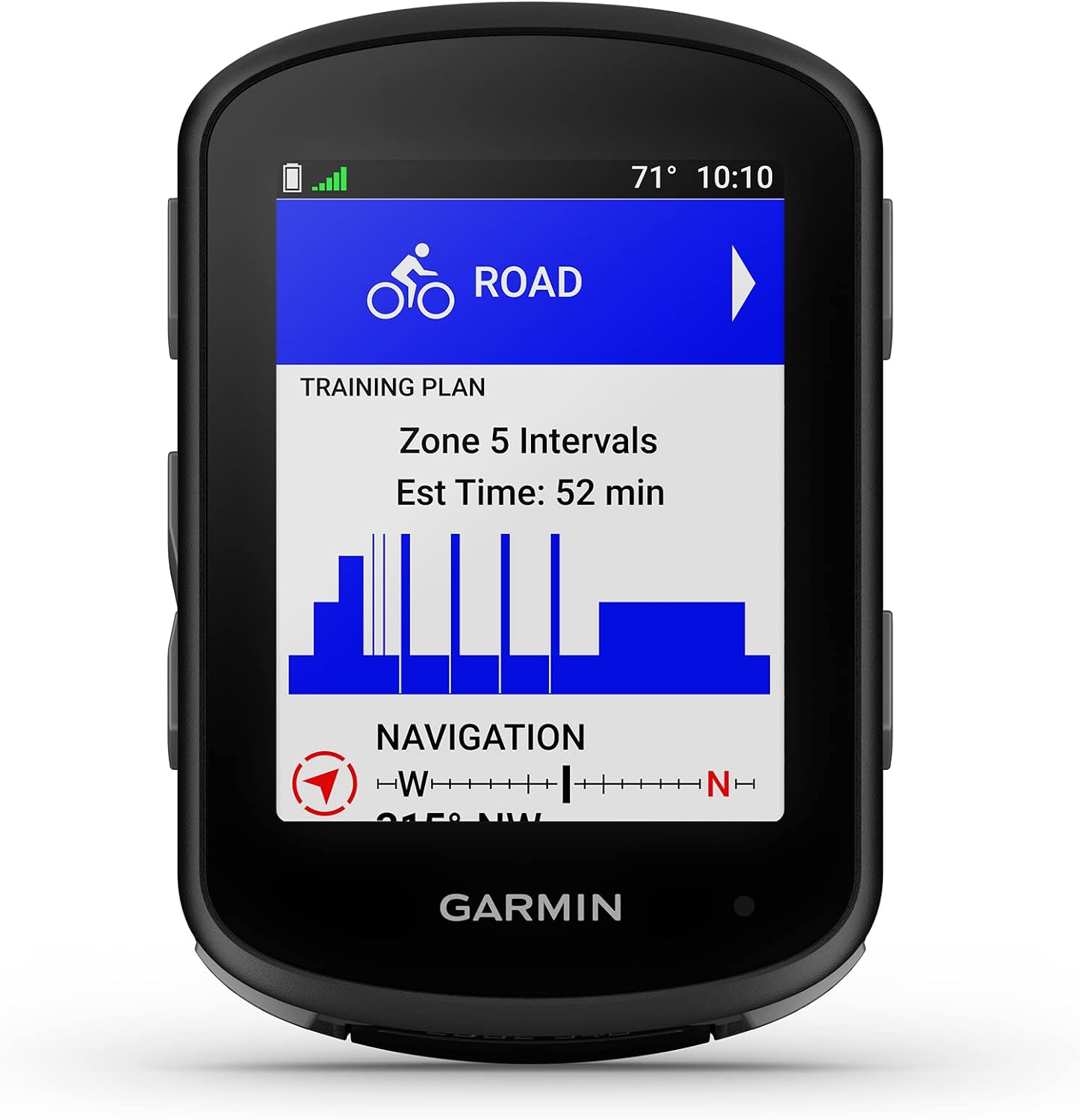
One more thing. I've been putting 500 km on the Garmin Edge 840 and the Coros Dura side by side this winter, and I've noticed the Coros battery is still at 80% when the Garmin is begging for a charge. I'll have the full numbers when the loop thaws out.